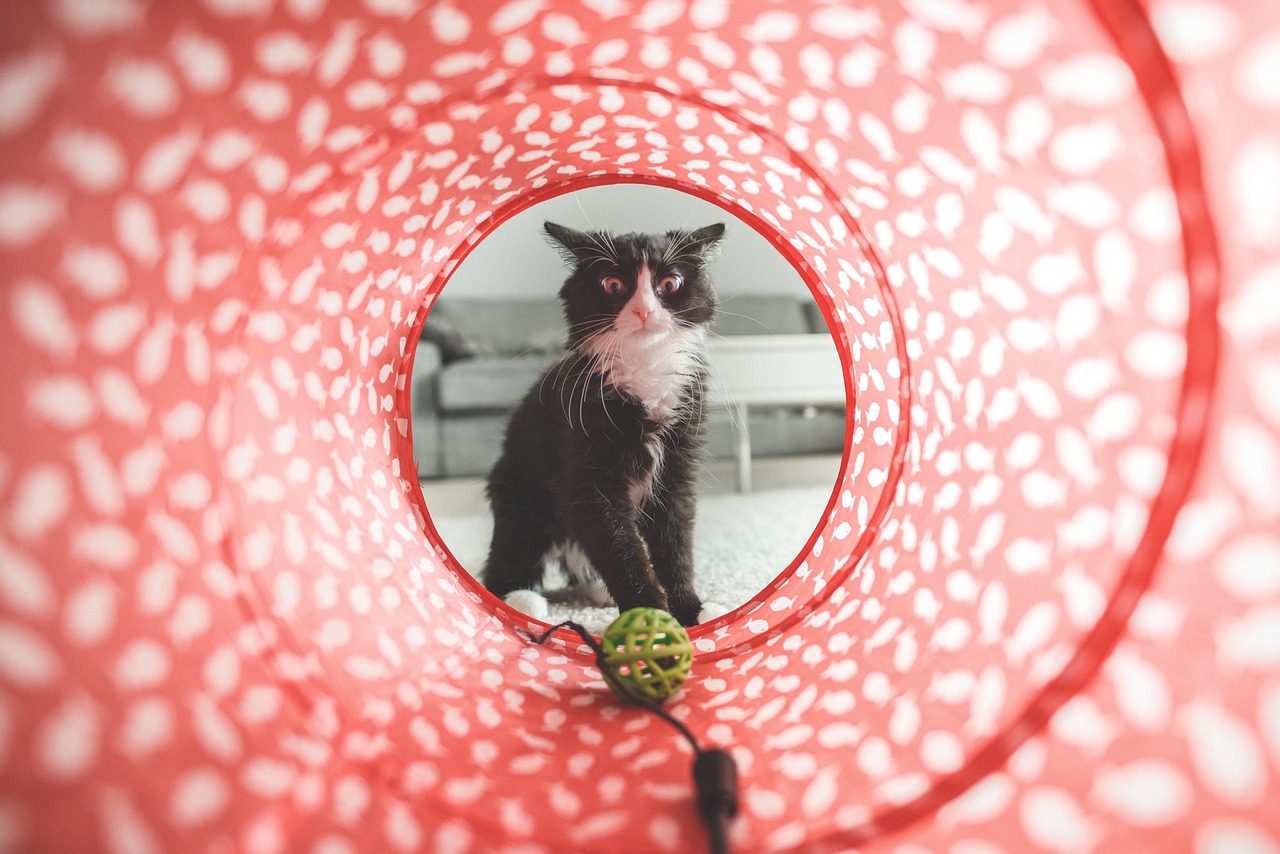

Choosing the Right Toys for Your Cat’s Personality and Age
Choosing the right toys for your cat can greatly impact their playtime experience. Cats, being natural hunters, enjoy toys that mimic their instinctual hunting behaviors. It’s helpful to consider your cat’s personality, age, and energy level when selecting toys. For energetic kittens, toys that allow them to jump and pounce, such as feather wands or balls, can offer stimulating play. On the other hand, older cats may prefer softer toys they can gently bat around. Interactive toys, like puzzle feeders, can keep your cat engaged and mentally stimulated. Moreover, some toys are designed specifically for solo play, while others are fun when played with a human or another pet. This interaction can strengthen the bond between you and your cat. When browsing for toys, remember to choose items made of safe materials that pose no choking hazards. Also, consider your cat’s preferences; some may favor certain colors or textures. Observe which toys they gravitate towards to guide your future purchases. By aligning toys with your cat’s unique personality, you create a more enriching environment that encourages exercise and mental engagement.
Additionally, age plays a crucial role in determining the most appropriate toys for your cat. Kittens, generally full of energy, require toys that are durable yet lightweight, promoting active play and exploration. At this stage, introducing a variety of toys is vital for developing their overall playfulness. Consider purchasing interactive toys that promote chasing, or soft toys that they can carry and cuddle. As cats transition to adulthood, their play style often shifts. Adult cats might prefer toys that provide more challenge, which encourages them to use their problem-solving abilities. Toys like treat-dispensing puzzles can stimulate their minds and keep them occupied for longer periods. Elderly cats, however, usually engage in slower, gentler play. Selecting plush toys that are easy to grasp can help them enjoy the playtime experience without overstressing their bodies. Moreover, regularly rotating your cat’s toys will prevent boredom and encourage them to engage with various playthings. Observe your cat’s interactions with their toys to identify which ones they truly love. This understanding will enable you to mix new toys into their existing collection, ensuring they remain excited and entertained throughout their lives.
Understanding Your Cat’s Play Behavior
Cats exhibit various play behaviors that reveal their preferences and personality traits. Some cats enjoy solo play, while others thrive when interacting with their owners. Understanding these nuances helps in selecting the right toys. For instance, if your cat loves to chase, consider interactive toys that promote running and jumping, such as laser pointers or balls. Additionally, some cats enjoy hunting, making feather toys or stuffed mice ideal for simulating the thrill of a successful catch. Observe your cat’s natural instinct-driven behaviors to help predict their play preferences. If a cat enjoys hiding and sneaking around, they may prefer toys that can mimic prey hiding under furniture or in boxes. Providing different environments and toy types can cater to these unique play styles. Furthermore, engage in play sessions with your cat to deepen your bond and better understand their preferences. Rotate the toys regularly, introducing new textures and sounds, which can reignite their curiosity and interest. By tailoring your approach to their individual behaviors, you create meaningful play experiences that positively stimulate their emotions and instincts.
Another important factor to consider when selecting toys for your cat is safety. Always ensure that toys are made from non-toxic materials to avoid any potential health risks. Scrutinize toys for small parts that could pose a choking hazard. Cats are often enthusiastic during playtime, and while they may seem safe at first, some toys could break apart, creating hazards. Therefore, it’s vital to monitor your cat’s play sessions, especially when introducing new toys. Observe how they interact and inspect toys regularly for any signs of wear and tear. If a toy is frayed or broken, it’s best to remove it immediately to maintain a safe play environment. Additionally, opt for reputable brands known for their quality cat products. Research and read reviews to find toys that have proven safety records. Look for certifications or endorsements related to pet safety. By prioritizing safety in your toy selection, you not only ensure a fun, engaging experience for your cat but also contribute to their overall health and well-being.
Engaging with Interactive Toys
Interactive toys are a game changer when it comes to keeping cats mentally and physically stimulated. These toys allow cats to engage actively while offering a variety of challenges that cater to their hunting instincts. For example, puzzle feeders encourage problem-solving, rewarding cats with treats after they’ve successfully interacted with the toy. This can help manage a cat’s weight while immensely enjoying the play. Alternatively, electronic toys that move or make noise mimic the unpredictability of real prey, enticing even the most indifferent cat to engage in the fun. Cats also love toys with different textures, such as crinkly materials or feathers, which add an exciting sensory experience while they play. Incorporating a mix of interactive toys in your cat’s routine is essential for keeping their playtime fresh and intriguing. Don’t hesitate to get involved in their play as well—engaging alongside them can enhance their excitement and create joyful moments for both of you. Whether you’re rolling balls, activating laser pointers, or controlling remote toys, mutual interaction can positively affect your cat’s emotional health and well-being.
When selecting toys, always take into account your cat’s individual tastes. Some cats are more playful and will easily engage with any type of toy while others may show selectivity based on their personality. Cats with strong predatory instincts, for instance, might prefer toys that emulate movement or sound. Others may favor toys that allow for tracking or gentle batting. Pay attention to their reactions; cats often exhibit clear preferences for certain materials, shapes, or sizes that resonate with their personality. It’s also worthwhile to keep a diary to track your observations, noting which toys stimulate the most enthusiasm from your feline friend. Use these insights when buying new toys, as purchasing items your cat is more likely to enjoy can significantly deepen their engagement during playtime. Additionally, incorporating toys that develop their cognitive skills will help create an enriching atmosphere. A cat’s happiness and health are closely linked to their environment, so fostering a lively play scenario is important for their well-being.
Conclusion and Recommendations
In conclusion, selecting the right toys for your cat requires a thoughtful approach that considers their personality, age, and safety. By understanding your cat’s unique play behavior and preferences, you can choose toys that keep them engaged and stimulate both their physical and mental well-being. Always prioritize safety by selecting toys made from high-quality, non-toxic materials and regularly inspecting them for potential hazards. Introduce a variety of interactive and engaging toys to cater to their instinctual behaviors while maintaining their interest through rotations and new options. Remember the importance of engaging in playtime with your cat. Maintaining active participation creates a joyful atmosphere that strengthens your bond. Ultimately, investing time and effort into understanding your cat’s play habits will enhance their happiness and health for years to come. By choosing the right toys, you support their instincts and contribute to a fulfilling lifestyle, ensuring they remain active and mentally stimulated. Your commitment to providing a safe and stimulating play environment is essential for their overall quality of life.
As a quick recap, consider the following recommendations: Always examine toys for safety features, opt for age-appropriate items, and observe your cat’s preferences closely. If your cat enjoys solo play, invest in interactive and engaging toys, but if they thrive on social interactions, choose toys you can play with together. Rotate toys often to keep them exciting and ensure a mix of different materials and textures. Encourage different forms of play to provide a diverse range of benefits, such as physical agility, mental stimulation, and emotional bonding. Finally, don’t forget to reward your cat’s efforts with praise or treats after play sessions to establish a positive association with toys. By implementing these strategies, you will create a nurturing and stimulating environment that caters to your cat’s needs, offering both exercise and mental enrichment. Your furry friend deserves the best, and your enthusiasm in selecting the right toys plays a crucial role in their development and well-being. Prioritize their unique needs as you explore different options. In doing so, you ensure the joy of discovery unfolds for both of you.