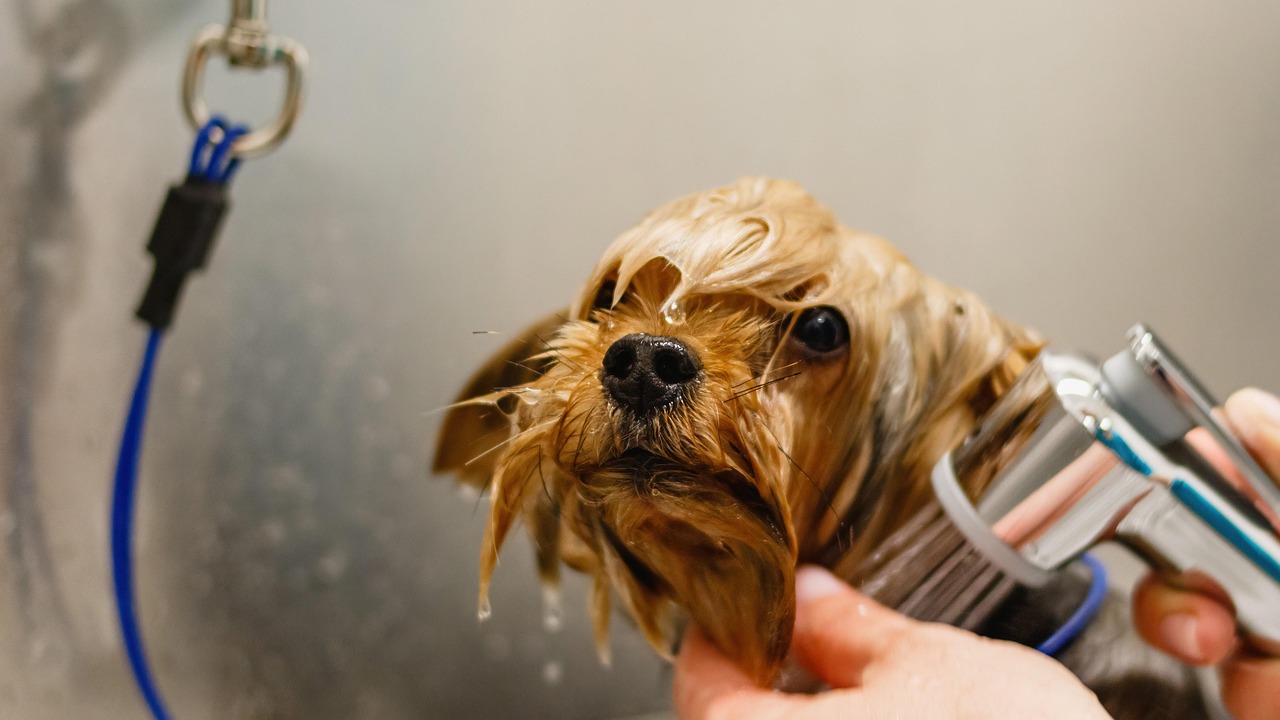

Grooming Techniques to Avoid Skin Irritation by Breed
Dog grooming is essential for maintaining a pet’s overall health, but different breeds require unique techniques due to their varied coats and skin types. For instance, breeds like the Bulldog or Pug, characterized by their short hair and skin folds, necessitate light grooming focused on minimizing irritation. To avoid skin issues, use specialized products that are hypoallergenic and free of harsh chemicals. Employ gentle brushing to remove loose hair and debris, and pay attention to those sensitive areas such as the folds and underarms. Regular baths should be done using dog-specific shampoos formulated to hydrate skin, which can help reduce irritation. Dogs with longer, thicker coats, such as Golden Retrievers, need a different approach involving daily brushing with appropriate tools to prevent matting. Moreover, checking ears for excess moisture and cleaning with vet-approved solutions is crucial. Remember to hydrate your pet’s skin using supplements or lotions designed for canine use. This personalized grooming routine caters to the unique needs of each breed, enhancing both comfort and appearance while maintaining healthy skin.
Understanding the specific grooming needs of each breed is vital for avoiding skin issues, as improper techniques can lead to discomfort. For instance, Yorkshire Terriers require regular grooming with a focus on detangling, while Bichon Frises need consistent trimming to keep their coat from matting. Utilizing the right tools, such as slicker brushes and wide-tooth combs, is essential for effective grooming. It’s important to be gentle when handling your dog’s coat, as pulling or tugging can cause skin irritation and stress. Furthermore, pay attention to seasonal changes or allergies that may affect your pet’s skin. Bathing frequency should be tailored to each breed, depending on their coat type and lifestyle. Always opt for shampoos that address specific skin sensitivities or conditions, and avoid over-bathing, as it can strip the natural oils from their skin. Regularly check for parasites or irritants, particularly in breeds prone to skin allergies, like Retrievers or Bulldogs. If skin issues arise, consult a veterinarian for recommendations that could improve your dog’s grooming experience without causing irritation.
Special Considerations for Hypoallergenic Breeds
Hypoallergenic dog breeds, such as Poodles and Schnauzers, require tailored grooming techniques to minimize skin irritation and maintain coat health. The grooming frequency tends to be higher for these breeds due to their curly or wavy coats, which trap debris and require regular clipping. A professional groomer familiar with these specific breeds can help maintain the coat integrity while preventing skin issues. When grooming at home, ensure you’re using special clippers designed for sensitive skin to avoid unnecessary irritation. Frequent brushing is necessary to restrict the buildup of dead hair, which can create hotspots. Regularly check for skin abnormalities during grooming sessions, as hypoallergenic breeds might still experience skin sensitivities. While bathing, choose gentle, moisturizing shampoos that help in maintaining the natural oils of the skin. After bathing, drying techniques become crucial; opt for towel drying or low-heat blow-drying to prevent skin overheating. Additionally, healthy diet choices play a pivotal role in skin health, so consider high-quality dog food that supports a healthy coat.
Another breed that requires special grooming techniques is the Shih Tzu, as their long hair is prone to tangling and mats, which can irritate the skin if not managed properly. Regular brushing every other day is necessary, along with regular trims to keep hair lengths manageable. Check for mats behind the ears and around the legs, where tangling tends to accumulate. For Shih Tzus, use a soft bristle brush initially to minimize discomfort followed by a slicker brush for detangling. It’s crucial to approach grooming positively, offering treats and praise to make the experience enjoyable. A soothing massage during grooming sessions can reduce stress and enhance comfort levels. Additionally, be mindful of the skin between their paw pads, which can become irritated. Clean between toes and use dog-safe wipes designed to keep skin healthy and clean. Cut their nails regularly to avoid paw irritation from long nails. Overall, recognizing each breed’s unique requirements helps avoid skin irritation, improves grooming efficacy, and enhances the overall bond with your pet.
Grooming Techniques for Double-Coated Breeds
Double-coated breeds, such as Huskies and German Shepherds, have unique grooming needs that differ significantly from single-coated breeds. Their undercoats shed heavily, especially during seasonal changes, requiring frequent brushing to avoid skin irritation and matting. Using an undercoat rake or a deshedding tool effectively removes loose fur while keeping the skin healthy. Regular grooming sessions during the heavy shedding seasons, which occur in spring and fall, are essential to minimize loose hair in your home. Moreover, pay attention to sensitive areas, as moisture can get trapped in the undercoat and lead to irritation. Bathing should be limited to every couple of months unless they are excessively dirty to prevent stripping essential oils. Always use gentle, sulfate-free shampoos that won’t irritate the skin. It’s beneficial to dry them thoroughly after a bath, especially in colder months, as damp fur can lead to cold or skin infections. Always check for skin abnormalities and consult your vet if any irritation arises, as double-coated breeds are susceptible to certain skin conditions due to their coat type.
Aside from grooming practices, nutrition plays a critical role in skin health for all dog breeds. Providing a balanced diet rich in omega fatty acids can improve coat quality and help prevent skin irritation. Foods containing fish oil or flaxseed oil are beneficial for skin hydration and recovery. When selecting dog food, consult with a veterinarian to find a diet that’s suited to your pet’s specific needs. Alongside dietary considerations, regular vet checkups ensure your dog’s skin and coat are continually monitored. Supplements like probiotics can also be effective for skin health by promoting a healthy gut. Be observant of any changes in your dog’s skin condition or behavior, as these can indicate sensitivities or allergies. Introducing new grooming products or food should be done gradually to determine any adverse reactions. Staying attuned to your grooming strategies, diet, and general health habits creates a comprehensive approach to maintaining a dog’s skin health. By incorporating these practices, you ensure comfort and reduce the likelihood of skin irritation across different breeds.
Conclusion: Tailoring Your Approach
In summary, grooming techniques to prevent skin irritation vary widely among dog breeds, and understanding these differences is essential for responsible pet care. Each breed presents specific challenges and requires tailored approaches to grooming to protect their skin health. From brushing frequencies to specific products, taking the time to learn about and implement these techniques enhances both the grooming experience and overall wellness. Invest in high-quality grooming tools and professional assistance whenever possible to get the best outcomes. It’s also imperative to ensure that your dog is comfortable during grooming sessions to create a stress-free environment. Recognizing signs of discomfort early on can lead to immediate corrective actions, preventing more significant issues. With the right approach, regular grooming can become an enjoyable part of your dog’s routine, leading to a happy, healthy companion with a beautiful coat. Prioritizing these grooming practices not only improves skin health but strengthens the bond you share with your dog, making grooming a ritual filled with affection and care. Remember, prevention is always better than treatment, so start with appropriate grooming techniques today.
Engaging in responsible pet grooming practices can truly enhance each interaction with your furry friend. Understanding the nuances of breed-specific grooming will lead to better outcomes, such as improved skin health and a shiny coat. Focus on learning and applying the best practices to prevent skin irritations in your pets. Should you encounter persistent skin issues, don’t hesitate to consult a veterinarian for professional advice tailored to your dog’s needs. With diligence and care, your grooming sessions can transform into bonding moments that promote both your pet’s well-being and happiness. Monitoring skin health proactively ensures every dog receives the best possible grooming, which contributes to their overall quality of life. Embrace your responsibility as a pet owner by educating yourself on the individual requirements of each breed, staying informed on advancements in pet care, and adapting your grooming strategies for optimal results. Remember, your furry companions rely on you for these essential aspects of their well-being. Keep learning, adapting, and maintaining love for your furry friends, as they deserve the best care you can provide.