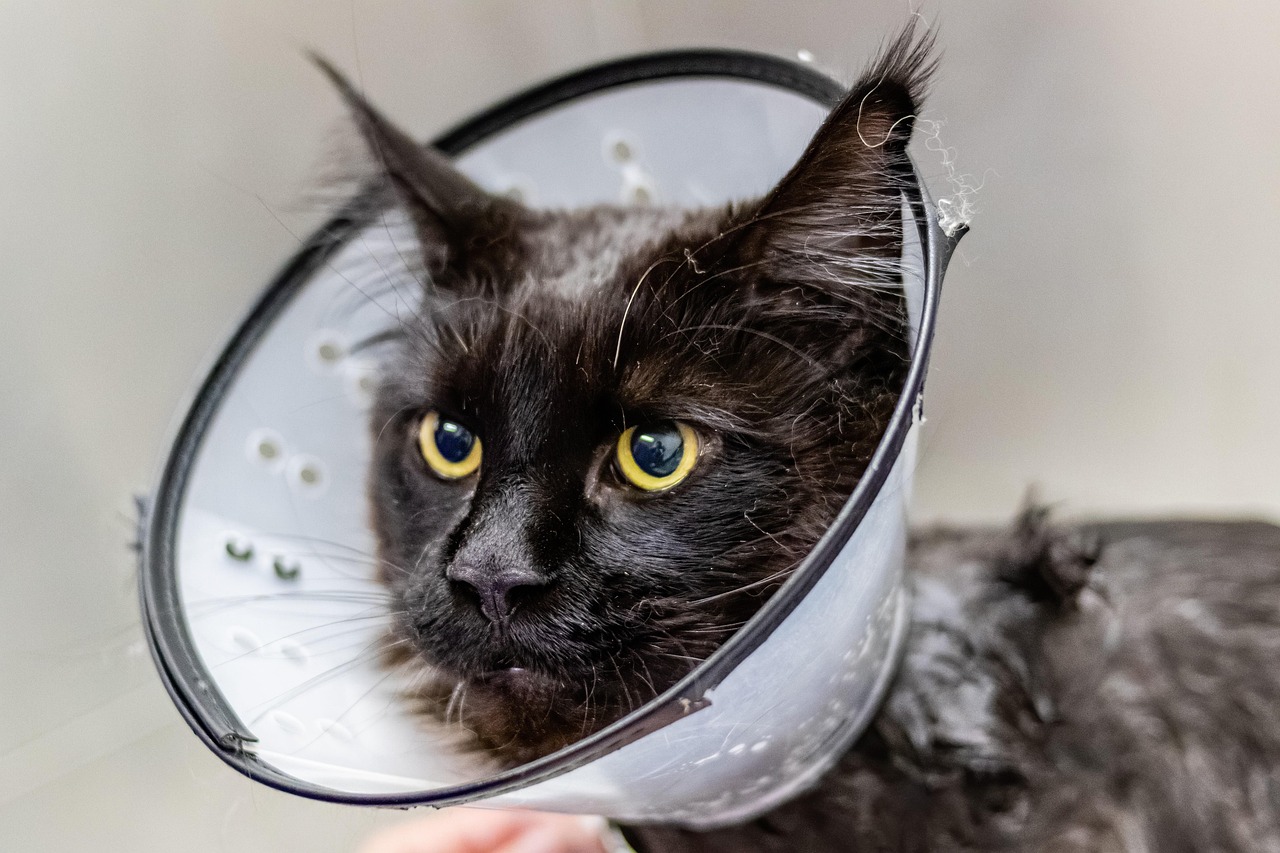

Common Medical Conditions That Cause Cats to Over-Groom
Excessive grooming in cats can indicate underlying medical issues. Cats often groom themselves, but when the behavior becomes excessive, it can result from factors such as allergies, skin infections, or parasitic infestations. Allergies may stem from environmental factors or food. Understanding what causes the reaction helps in treatment and prevention. Skin infections can occur due to bacteria or fungi, which can lead to discomfort and excessive licking or grooming. In addition to these infections, fleas and mites are common culprits that can lead to compulsive behaviors as cats try to relieve itching. In cases of skin issues, consulting a veterinarian is crucial for an accurate diagnosis. Treatments could include medicated shampoos or oral medications. Additionally, addressing the source of allergies will improve the overall health of the cat. Also, cats may over-groom due to pain or discomfort caused by conditions like arthritis. If you notice changes in your cat’s grooming habits, it’s vital to investigate further and seek veterinary advice promptly for the best outcome and optimal health for your furry friend. Remember, quick action can alleviate suffering and improve their well-being.
Moreover, stress can contribute significantly to excessive grooming in cats. Cats are creatures of habit, and changes in their environment can cause anxiety. Examples include moving to a new home, introducing new pets, or changes in family dynamics. Stress may lead to compulsive behaviors, such as over-grooming, as a coping mechanism. Identifying and addressing the stress factor can help restore a sense of normalcy. Behavioral changes may accompany this excessive grooming; cats may become reclusive or display aggression. Implementing environmental enrichment, such as interactive toys, can effectively reduce stress. Creating safe zones for your cat, where they can retreat in times of anxiety, is another beneficial strategy. Behavioral therapy or consultation with a cat behaviorist may also be advantageous in severe cases. Providing consistent routines can minimize cats’ stress. For long-term improvement, it’s essential to maintain a stable environment for the cat. Fostering positive interactions and ensuring their needs are met will help maintain their well-being. Monitoring your cat’s behavior allows for timely response if signs of stress appear, which promotes better health and behaviors.
Hormonal Imbalances Affecting Grooming
Hormonal imbalances can significantly impact excessive grooming behaviors in cats as well. Conditions such as hyperthyroidism or Cushing’s disease alter the hormonal landscape in cats and contribute to changes in grooming patterns. Hyperthyroidism increases metabolism, leading to heightened activity levels and possible nervous behavior. As a result, some cats may groom themselves more frequently as a physical outlet for their restlessness. Cushing’s disease, on the other hand, is characterized by an overproduction of cortisol, leading to a variety of health issues and stress-related symptoms. It’s essential to recognize these conditions and seek veterinary assistance when managing hormonal imbalances. Vet consultations will include examinations, blood tests, and possibly an ultrasound, which guide a proper diagnosis. Hormonal imbalances can often be well-managed through medication or dietary changes. After treatment initiation, owners might notice improved behavior and grooming habits. Regular check-ups will ensure that your cat’s hormone levels remain stable and support their overall health. Ongoing monitoring helps detect any arising issues early, making effective interventions possible, promoting longer and healthier lives for your feline companions.
Moreover, reactions to medications can also lead to over-grooming. Some cats exhibit changes in behavior, including increased grooming, as a side effect of certain medications. Cats are particularly sensitive to drug interactions and dosages, so it’s crucial to communicate openly with your veterinarian about any observed changes after starting treatment. The veterinarian may suggest alternative medications or adjustments to the dosage if excessive grooming is a concern. Furthermore, withdrawal symptoms from tapering off medications can cause anxiety, also leading to compulsive grooming behavior. Therefore, transitioning medications must be handled carefully and under veterinary guidance. If over-grooming develops after initiating treatment, it’s essential to assess and discuss these side effects promptly with a vet for tailored solutions. Unexpected changes in grooming habits warrant examining the complete medical history and the environment of the cat. Owners should become vigilant observers of their pets. Keeping detailed notes about behavior, excessive grooming, and any other observed symptoms facilitates better communication with the veterinarian, ultimately leading to more effective care strategies tailored to the individual needs of each cat.
Chronic Pain and Over-Grooming
Chronic pain can be another significant factor contributing to excessive grooming behaviors in cats. Conditions like arthritis or dental diseases cause discomfort that can lead cats to groom specific areas excessively. Grooming may provide temporary relief from pain, or it may be an instinctual response to injury. Identifying the source of pain is vital; sometimes, subtle changes in behavior illustrate that a cat is struggling. Veterinary examinations should include thorough assessments of their mobility and physical health. Regular monitoring for signs of pain, such as altered grooming habits, decreased activity, or changes in eating, will help detect underlining issues in a timely fashion. Veterinarians may use imaging techniques to diagnose musculoskeletal problems effectively. Treatment often includes pain management, which can improve the cat’s quality of life. Any necessary lifestyle adjustments or increased playtime with lower-impact activities could redirect grooming behavior toward more beneficial habits. Prompt veterinary care will significantly improve your cat’s overall well-being and comfort, making them happier and healthier. Remember, a proactive approach is always more effective than reactive care for chronic conditions related to pain.
Additionally, neurological problems in cats can manifest as excessive grooming behaviors due to underlying issues. Conditions like seizures or cognitive dysfunction syndrome may cause compulsive behaviors, including excessive grooming. Neurological alterations can affect motor skills and impulse control; thus, grooming becomes an outlet for frustration or anxiety. Observing your cat’s overall behavior, including compulsive grooming patterns, can provide insights into potential neurological problems. If you suspect such issues, seeking immediate veterinary intervention is critical for accurate diagnosis and treatment options. Neurologists may perform specialized tests and neuroimaging to further explore any concerns requiring attention. If diagnosed with neurological conditions, medications or behaviors modifications may be prescribed to improve your cat’s quality of life. Owners can also help by creating a stimulating environment or providing new activities to keep the cat engaged mentally. Adaptations like arranging furniture in a new way or adding vertical spaces can encourage exploration rather than excessive grooming. Mental engagement ensures cats are healthier and happier while reducing compulsive behaviors related to neurological problems, allowing them to express themselves in more positive ways.
Conclusion on Over-Grooming Issues
In conclusion, excessive grooming in cats often signals underlying health challenges that require careful assessment. A variety of medical conditions, ranging from allergies, skin infections, and hormonal imbalances to chronic pain, neurological conditions, and even stress, play a pivotal role in triggering such behaviors. Recognizing the root cause of excessive grooming behavior is crucial for effective intervention and treatment. Regular veterinary check-ups are vital for monitoring your cat’s health. Additionally, being observant of changes in grooming habits and other behaviors can facilitate quicker responses to potential problems. Addressing the issues often requires a multi-faceted approach, including medical treatments, environmental changes, behavioral enrichment, or adjustments in routine. Each cat is unique, and what works for one may not work for another; hence, tailor-made strategies are often the most effective. Create awareness regarding these issues within the pet-owning community to foster understanding and proper care for our feline companions. The ultimate goal is to ensure a healthy, happy life for your pet, free from the distress of excessive grooming issues through early intervention and comprehensive care tailored to their unique needs.