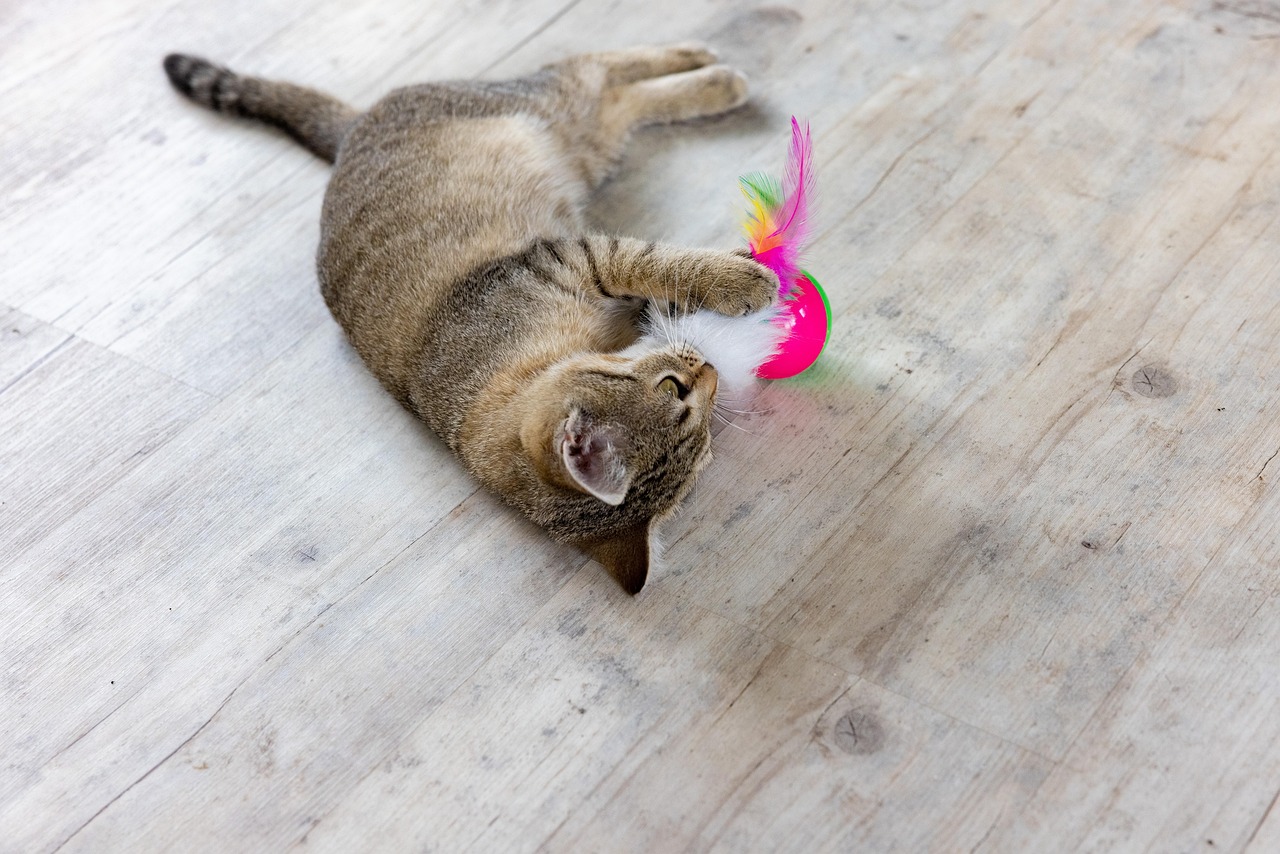

The Role of Play in Senior Cats’ Cognitive Health
As cats age, their cognitive function may begin to decline, much like humans. Therefore, it’s crucial to understand the role of play in maintaining their mental health. Engaging older cats in regular play can positively influence their cognitive abilities. Activities such as interactive play helps stimulate their minds, preventing boredom and promoting healthy aging. Consider toys that encourage them to chase and pounce, mimicking hunting behaviors. Furthermore, providing a mix of toys ensures they remain engaged. Cats thrive on variety and stimulation. Observing your senior cat closely can help you identify their preferences. Some may enjoy feather toys while others like laser pointers. Incorporating puzzle toys can challenge their problem-solving skills, which is essential in maintaining cognitive health. This increased stimulation can delay the onset of age-related cognitive disorders. Despite their age, senior cats can remain playful and active. During interactive playtime, owners also bond better with their cats, providing emotional support. This connection enhances the environment in which your cat lives, drastically improving their quality of life.
Moreover, understanding how play impacts your senior cat’s overall health includes consideration of physical aspects. Play not only keeps them mentally active but is also essential for maintaining physical strength and flexibility. Engaging in regular exercise via play can prevent obesity, a common concern in older cats. As they grow less active, it is vital to encourage movement. Play sessions should last an appropriate duration, ensuring your cat doesn’t feel overwhelmed. Shorter, more frequent play sessions can be more effective for senior cats, who might tire quickly. Simple activities such as tossing a soft ball or using a fishing pole toy can elicit active responses, inviting your kitty to participate. Always consider your senior cat’s energy levels and health issues before initiating play. If your cat suffers from joint pain, softer and lower-impact toys may be suitable. Adaptive play helps cater to their unique needs, extending their playful years. Maintaining their playful nature can also help combat depression in senior cats. Regular stimulation can adjust their mood and encourage a healthier lifestyle, ultimately enhancing their quality of life as they age.
The Importance of Mental Stimulation
In addition to physical benefits, mental stimulation is crucial for senior cats’ cognitive health. Play acts as an essential tool for engaging their brains, fostering creativity and reducing the chances of cognitive dysfunction. Through stimulating activities, you’re effectively providing enrichment that keeps their minds active. An array of activities designed to encourage exploration can also enhance their environment. Sudden changes, new layouts in their spaces, or switching toys regularly can capture a cat’s interest. Additionally, more complex toys that require the cat to figure out how to obtain treats can serve to sharpen their cognitive skills. Implementing a variety of engaging activities can significantly reduce anxiety and promote happiness. Interactive playtime does not only benefit senior cats but also offers a fun bonding experience between owner and pet. Simple games, such as hide and seek with toys, can boost your cat’s curiosity. Providing spaces such as cat trees or tunnels allows senior cats to explore safely. Ultimately, these formed habits contribute to reduced stress and improved mental well-being. Remember that the relationship between play and cognitive health should never be underestimated.
Moreover, recognizing the signs of cognitive decline in senior cats is vital. Behavioral changes such as increased restlessness, disorientation, or even changes in sleeping patterns may occur. Owners should stay vigilant for these signs, as early intervention can make a difference. Implementing a routine that incorporates play can help address these changes and smooth the transition into their later years. Elements of consistency in play routines can provide much-needed security for your senior cat. Adjusting their playtime frequency and type based on energy levels ensures their needs are appropriately met. It is crucial to maintain patience and gradually introduce new activities or toys. Creating a safe and comforting environment can also contribute positively to their mental well-being. Incorporating periods of rest between playtimes shows empathy, respecting their ageing bodies. Close attention to their needs will foster a trusting relationship, building an atmosphere where your cat feels loved and understood. An understanding approach mitigates stress and benefits cognitive health, allowing your senior cat to enjoy its golden years peacefully.
Preventing Boredom through Engaging Activities
Preventing boredom in senior cats is essential in maintaining cognitive health. Routine can lead to stagnation, making it vital to introduce new activities that will reinvigorate their playtime. Engaging your cat in interactive play can combat boredom, keeping their minds actively engaged. Toys specifically designed for cognitive stimulation can enhance their daily experience. Items like laser toys or plush mice encourage your cat’s instincts and maintain engagement. Similarly, providing puzzle toys can also be beneficial by promoting problem-solving skills. Cats often thrive on the thrill of the chase or the challenge of obtaining treats hidden inside toys. Furthermore, rotation schemes for their toys prevent monotony. Avoiding redundancy in their play environment keeps them curious and excited. Schedule play sessions involving diverse forms of engagement beyond just toys. Activities like gentle fetch, hide-and-seek, or encouraging them to navigate obstacles can rekindle their spirit. By introducing novelty, you’ll not only prevent boredom but also encourage physical activity. This balance furthers their mental and emotional well-being, granting them a vibrant and fulfilling lifestyle as they age. This engagement ultimately fosters a happier and healthier senior cat.
In conclusion, understanding the role of play in your senior cat’s cognitive health cannot be overstated. Engaging them in consistent play activities is vital for maximizing their quality of life. By investing time into interactive engagements, you’re offering them opportunities to exercise not only their physical bodies but also their minds. This holistic approach supports overall longevity and emotional well-being. Encouraging social interaction through play also fosters strong connections between cats and their owners. As we understand the relationship between aging and cognitive decline, encouraging exploration and curiosity must be prioritized. Remember to adapt play routines that suit their changing needs, remaining mindful of energy levels. Balancing fun and relaxation promotes a customizable approach toward their health. Allowing them new experiences maintains engagement and excitement, crucial for mental stimulation. Additionally, be observant of behavioral changes; adapt as needed. Seek advice if behavioral problems emerge, as early intervention can improve their situation. The more engaged your senior cat remains, the healthier its cognitive function. Ultimately, your investment in playtime now can enhance their quality of life during their remarkable senior years.
Summary of Key Points
Summarizing is essential to retain valuable information about senior cats and play’s impact on cognitive health. Engaging in play encourages mental stimulation and provides physical exercise, both crucial for their overall well-being. Key points to remember are that variety matters in play activities, as cats enjoy diverse experiences. Your involvement in facilitating engaging playtime is key to strengthening your bond with your pet. Flexibility in adapting toys and activities according to your cat’s preferences should not be overlooked. By tracking changes in behavior and energy levels, early signs of cognitive decline can be identified. Addressing these changes with thoughtful adjustments to play routines can significantly enhance your cat’s life quality. Also, nurturing a positive atmosphere built on trust and understanding will contribute to your cat’s happiness. The importance of providing different activities cannot be underestimated, as preventing boredom through stimulation leads to greater cognitive health. Ultimately, the pursuit of engaging play experiences can pave the way for healthier living and deeper connections between senior cats and their human companions.
Regular check-ups with your veterinarian can help catch any underlying health issues early. An updated healthcare plan ensures that your senior cat remains healthy, and play remains appropriate for them as they age. Implementing these strategies into your daily routine will lead to a more enriching experience for your beloved pet. At the end of the day, your attention to their needs, mental and physical, can yield significant benefits. With suitable play activities, you can help stimulate your senior cat’s cognitive function and extend their golden years. Cats, even in their twilight years, deserve to feel engaged and loved. By fostering a playful spirit, owners nurture not just mental agility but also emotional connections that matter immensely to both parties. This devotion to playtime leads to a more joyous life for senior cats. Every effort you put into understanding your senior feline companion pays off in countless ways. Not only does play enhance cognitive health, but it also reinforces the loving bond you share, making this journey happier.