
Differences in Play Styles Among Domestic Cats
Understanding the different play styles of domestic cats can significantly enhance our interactions and relationships with them. Play is essential for a cat’s development, providing both physical and mental stimulation. Various factors such as personality, age, and environmental context influence how cats engage in play. Some cats exhibit solitary play behaviors, relying on self-entertainment through imaginative scenarios. Others thrive in social play, seeking companionship with humans or other cats. Each cat’s unique play style can reveal insights into their personality and emotional state. Observing your cat’s preferred toys and play scenarios can facilitate better bonding experiences. Engaging your cat in their favored play style can lead to less stress and anxiety, making them feel safer. For instance, if a cat enjoys pouncing on feathered toys, incorporating that into your interactions can strengthen trust and connection. The goal is to create an environment that encourages healthy play and allows the cat to express their natural instincts. Moreover, understanding these differences is vital for the well-being of multi-cat households where play dynamics can greatly fluctuate.
Major variations in play styles can be observed among domestic cats, often categorized into different approaches. A key distinction is between hunters and ambushers. Hunter cats prefer to chase and capture moving objects, embodying the instincts of a predator. In contrast, ambusher cats like to stalk, hide, and then pounce on unsuspecting toys. The way cats engage with their environment not only reflects their natural instincts but also their socialization history. Socialized cats often play more boldly and may initiate interactive play with humans or other pets. In contrast, unsocialized or shy cats typically exhibit more reserved behaviors, preferring solitary activities. Observing these preferences can help in choosing appropriate toys that cater to their unique play styles and enhance their activity levels, promoting better health. Another significant category revolves around the playtime’s intensity. Some cats, like highly energetic breeds such as Abyssinians, show relentless energy during playtime, whereas others, like Persians, might engage in more gentle, less frenetic play. Tailoring playtime activities according to these preferences simplifies the way pet owners facilitate engaging play sessions.
Play Types: Social vs. Solitary
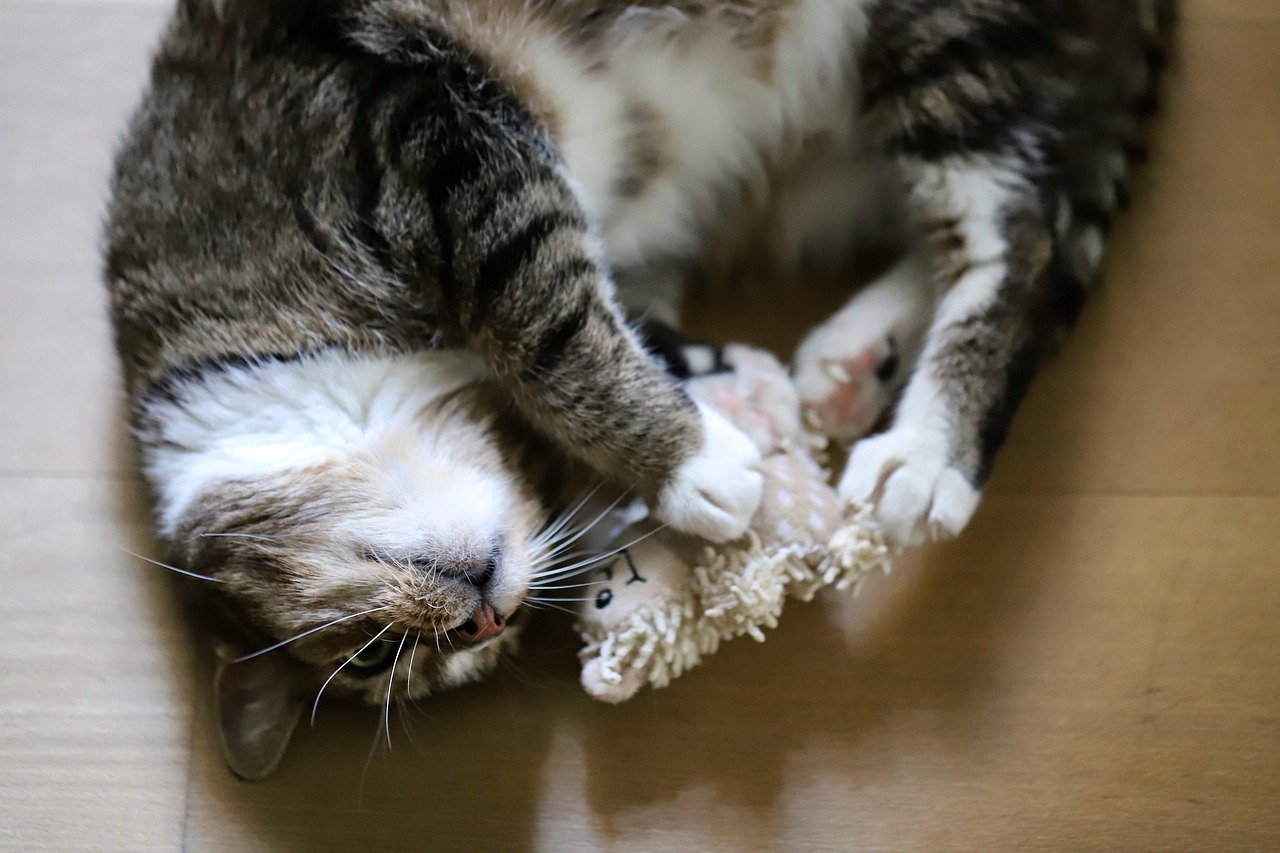
One crucial element in understanding cat play styles is distinguishing between social play and solitary play. Cats that engage in social play actively seek interaction with humans or other pets. This type of play often involves chasing, wrestling, and other cooperative activities that foster bonding. Social play is a critical part of kitten development, where siblings often engage in roughhouse play that mimics real-life hunting skills. On the other hand, solitary play allows cats to engage in self-directed activities, honing their skills and instincts without the immediate influence of other animals or people. Cats may entertain themselves with simple objects or engage in imaginative play with no external stimuli. An understanding of these play types helps pet owners create an enriching home environment. For social play-oriented cats, providing interactive toys and engaging in active playtime can improve social skills. Alternatively, for cats exhibiting solitary play tendencies, offering a variety of toys that stimulate independent play can be beneficial. Observing and adapting play opportunities based on these types ensures that each cat’s preferences and needs are properly met, enhancing their overall well-being.
Different breeds of domestic cats also exhibit unique play styles that cater to their inherent characteristics. For instance, the playful nature of Siamese cats leads to vigorous play sessions, typically involving vocalization and interaction. Such breeds thrive on dynamic environments, necessitating owners to engage in frequent playtime to prevent boredom. On the contrary, more laid-back breeds like British Shorthairs tend to enjoy slower-paced activities, often relishing gentle batting at toys rather than full-on chase. Recognizing these breed-specific preferences can be advantageous for any cat owner. Being attuned to the play behaviors of various breeds can guide pet owners in selecting suitable toys and activities that keep their cats content and entertained. Engaging in breed-appropriate play can also reduce stress-related behaviors stemming from boredom or loneliness. Furthermore, some breeds may also show a particular affinity for puzzles and mentally stimulating toys, hinting at a higher cognitive engagement. Understanding these aspects allows owners to create personalized play sessions that make each cat feel unique and appreciated, strengthening the human-animal bond exponentially.
The Impact of Environment on Play Styles
The surroundings where a cat lives can significantly influence their play styles and preferences. A spacious environment filled with relevant stimuli encourages active play and exploration. Cats without engaging environments may resort to boredom or develop destructive behaviors resulting from unexpressed energy. In a cluttered or overly stimulating space, cats may feel anxious. Managing these environmental factors is crucial to facilitate healthy play. Introducing elements such as climbing structures can inspire adventurous play, while quiet spaces can provide sanctuary for solitude. Additionally, integrating various toys with different functionalities, such as feather wands or balls, caters to both social and solitary play preferences. Cats thrive when they feel secure in their environment, allowing them to explore and engage in play naturally. Moreover, environmental enrichment, including scratching posts or interactive appliances, invites curiosity and constructive play behaviors. Seasonal changes may also affect play styles, as outdoor cats often adjust their playing habits in response to climatic conditions. Ensuring that domestic cats have access to outdoor views through windows or safe outdoor outings can further stimulate their natural instincts, enhancing their overall play experience.
Cat owners must consider age as a crucial factor influencing play styles and behaviors. Kittens possess high energy levels, often engaging in frenetic play that helps refine their hunting skills. Play during this formative stage involves a blend of social interaction and solitary exploration. In contrast, as cats mature, their play style often transitions toward less vigorous activities, favoring gentler play like batting toys or strategic play sessions that pique their curiosity. Older cats may display a reduced interest in active play, opting instead for mentally stimulating activities that remain engaging yet manageable. Therefore, providing toys that cater to a senior cat’s preferences is vital, as puzzle toys and interactive feeders promote cognitive engagement. Recognizing signs of aging can also insightfully inform cat owners about necessary adjustments to their playtime activities. Cats may become more prone to fatigue, meaning shorter but frequent play sessions would be more appropriate. Tailoring engagements based on a cat’s age dynamics supports their mental and physical health while allowing for enjoyable interactions that reinforce companionship.
Promoting Healthy Play
Encouraging healthy play among domestic cats requires a proactive approach from their owners. Providing a variety of safe, accessible toys is a critical step to stimulate active engagement. Toys should cater to different play styles, whether social or solitary, ensuring every cat has opportunities to express their preferences. Interactive toys can serve as excellent tools for stimulating social play, while providing scratching posts can encourage natural behaviors that avert destructive instincts. Monitoring play sessions can distinguish between positive and negative behavior, allowing owners to intervene when necessary to prevent overly aggressive interactions. Additionally, scheduling regular playtime not only enhances bonding opportunities but also helps maintain physical health, as active cats are less prone to obesity-related issues. Rotating toys every few weeks keeps the play environment fresh and engaging, sparking a renewed interest in play. The overall goal is to cultivate a trusting relationship that supports learning and maintains overall happiness by incorporating play methods that resonate well with each individual cat. Establishing a routine around play helps cats feel secured and perceptive while acknowledging their personal preferences.
Continuously evolving our understanding of different play styles among domestic cats can create lasting impacts on their overall welfare. As caretakers, analyzing a cat’s distinct behaviors allows us to modify our approaches, enriching their quality of life. By actively observing their play interactions, we gain insights that pave the way for tailored enhancements in their environment. Each cat brings a unique personality shaped by experiences, preferences, and environmental factors. Recognizing these nuances advocate for informed decisions regarding toy selection, environmental setup, and interactive play engagement. Moreover, involving other pets in the mix can enhance social play and create a more homely atmosphere, reducing behavioral issues stemming from loneliness. A well-socialized cat tends to establish healthy dynamics with other pets, promoting camaraderie and shared activities. Ultimately, investing time and effort to understand these differences can lead to a rewarding relationship between owner and pet, fostering happiness and emotional stability. Harnessing the insights from a cat’s play style opens doors to a harmonious cohabitation, where both cats and their owners thrive through positive and engaging experiences together.