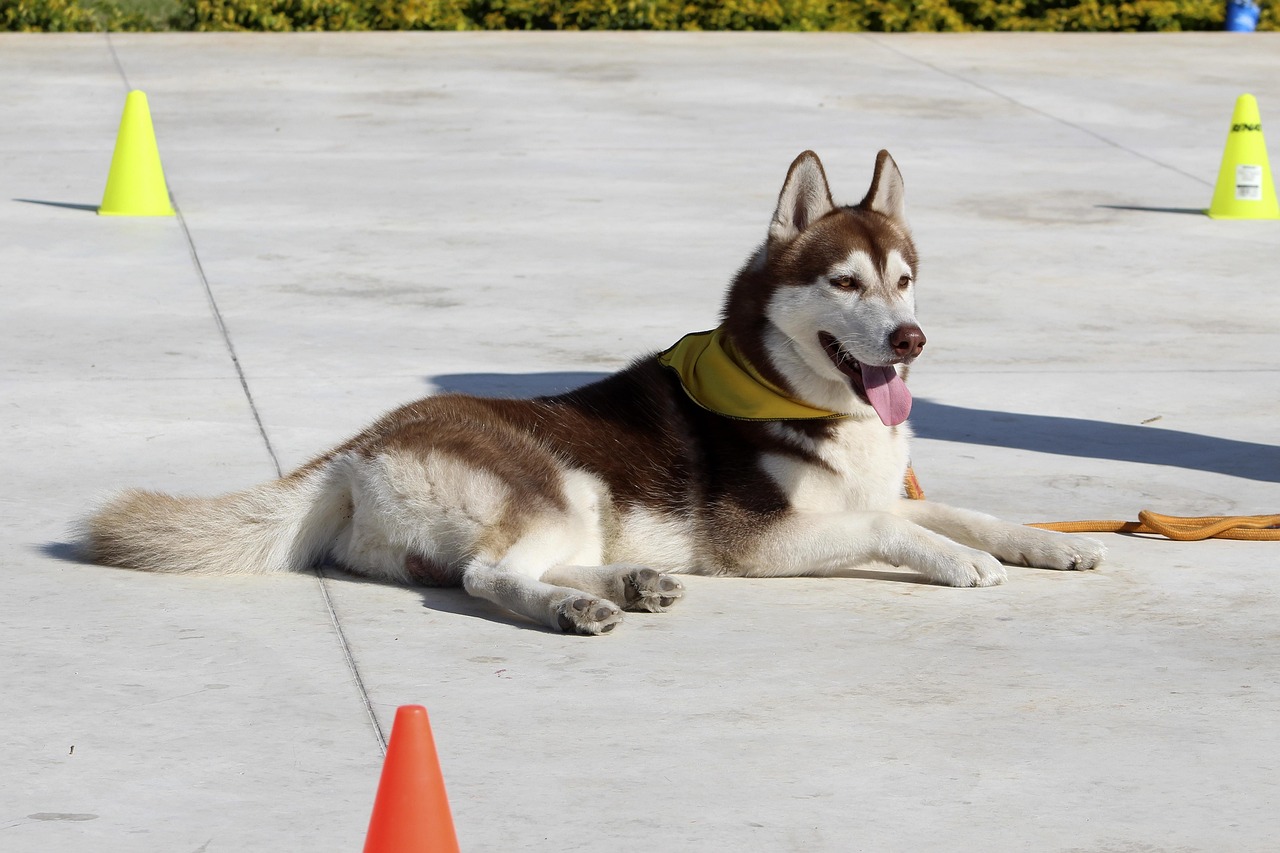

Establishing Boundaries: Teaching Your Dog ‘No’ and ‘Leave It’
Establishing boundaries is essential for effective dog training, especially when teaching commands like ‘No’ and ‘Leave It.’ These commands help prevent unwanted behaviors, ensuring that your dog understands what is off-limits. Start by selecting a quiet space free of distractions, enabling both you and your dog to focus. The first step involves using a firm yet calm tone when delivering the ‘No’ command. You want your dog to recognize that its behavior is unacceptable without causing fear or anxiety. This method fosters trust and encourages your puppy to respond positively in various situations.
Consistency plays a crucial role in reinforcing the ‘No’ command. Whenever your dog displays undesirable behavior, immediately use the command and follow it up with a positive reinforcement tactic, such as treats or praise, when they stop that behavior. Additionally, practice using ‘No’ in various scenarios to enhance your dog’s understanding. For example, if your dog jumps on furniture or pulls at objects, consistently apply the command to establish clarity. Over time, your pet will start to associate unwanted behavior with the command, strengthening your training efforts.
Understanding the ‘Leave It’ Command
The ‘Leave It’ command is another essential skill that teaches your dog to ignore distractions or potentially harmful objects. Begin by presenting a treat in your closed hand, allowing your dog to sniff but not access it initially. When your dog becomes overly excited or tries to grab the treat, say ‘Leave It’ and keep your hand closed. An important point to ensure that your dog learns the command is patience; do not release the treat until they calm down, leading to a better understanding of the command’s meaning.
Once your dog understands the concept, gradually transition to more challenging scenarios. Place a treat on the floor and ask your dog to ‘Leave It.’ If they attempt to grab the treat without following your command, say ‘No’ clearly but calmly. Use positive reinforcement again, rewarding them when they resist the temptation. Continuously practice in various environments to solidify this command further and help your dog generalize what it means. With patience and persistence, your dog will learn to leave things alone and expect rewards instead.
Incorporating Commands into Daily Life
Incorporating ‘No’ and ‘Leave It’ into your daily routine will reinforce the boundaries you are trying to establish with your dog. For example, practice these commands when you’re out walking in the park or at home, during playtime, or even while keeping your kitchen safe from curious pups. The more you use these commands throughout ordinary daily situations, the easier it becomes for your dog to understand when to apply them. Regular practice will build a strong foundation for their training and encourage good behavior.
Additionally, work with your dog to build trust and maintain excitement for these commands. Use lots of positive, high-energy praise as they successfully follow the commands. Celebrate small victories, and ensure that your dog feels appreciated when they comply. Giving them attention using loving words and petting will help in creating a strong bond between you and your furry friend, making the training process enjoyable and effective for both the owner and the dog.
Common Mistakes to Avoid
Avoiding common mistakes during training is vital to ensuring your dog learns these commands effectively. One mistake includes inconsistently applying commands; if your puppy seems confused, it may disengage or not adhere to your requests. Be mindful of your tone and body language when enforcing boundaries; friction or tension in your voice can create anxiety for your dog. Remaining calm and consistent, without showing frustration, will help your dog respond better to training and thereby emphasize key concepts.
Another common error revolves around rewarding your dog prematurely. Always ensure that they have followed the command before offering treats or praise. If you reward them before they complete the action, it can lead to misunderstandings and weaker associations with the commands ‘No’ and ‘Leave It.’ Remain patient, engaging your dog in continuous practice sessions. Over time, you can correct these mistakes and provide a positive training atmosphere where your dog thrives during obedience lessons.