
How to Prevent Ear Infections in Cats: Essential Tips
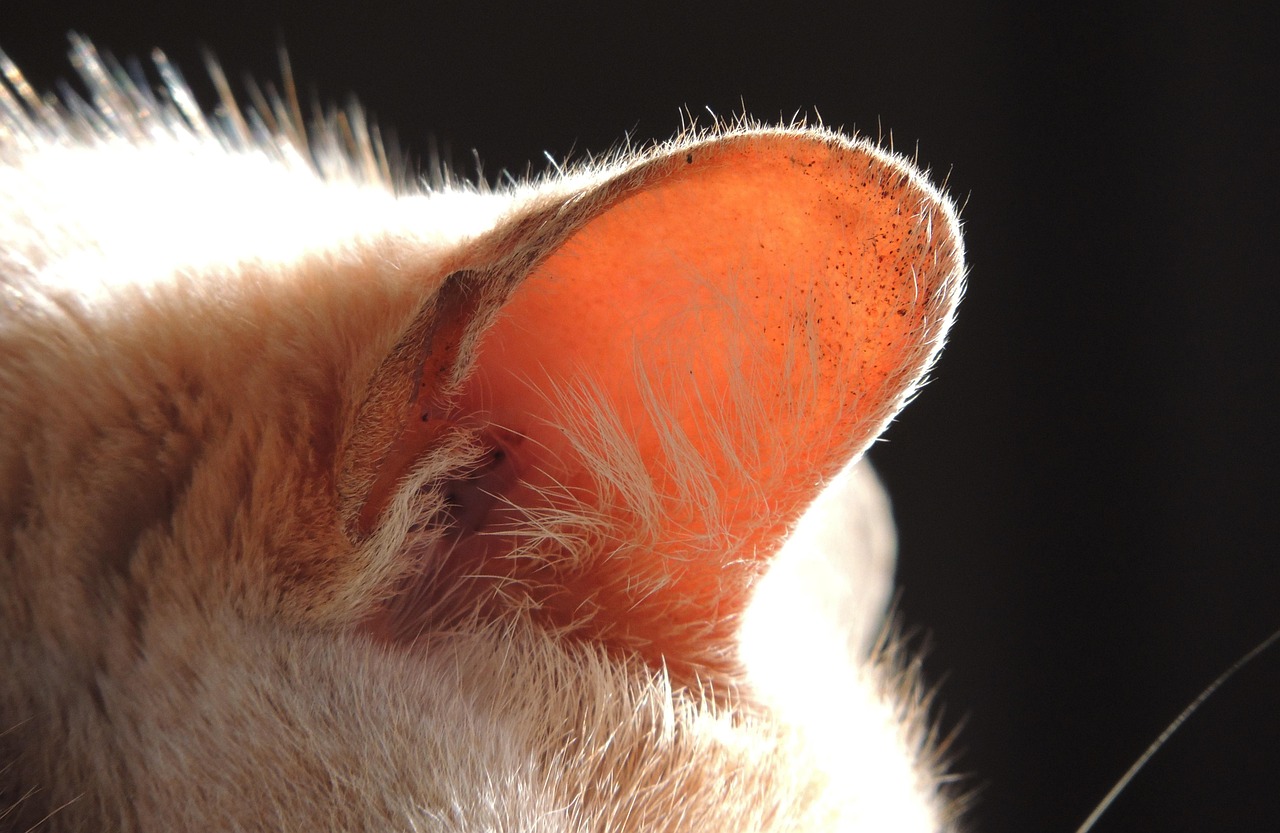
Ear infections in cats can lead to significant discomfort and health issues. Regular ear checks can help in identifying potential problems before they escalate. It’s essential to examine your cat’s ears weekly, looking for redness, swelling, or discharge. Also, ensure that the ear canal is clean and free from excessive wax. Keeping the ears dry and clean is vital, especially after baths. Moisture can promote bacterial growth, leading to infections. Cats with longer ear hair may require regular grooming to prevent hair from trapping moisture and debris. You should also consider the environment; allergens or irritants can contribute to ear infections. Using a hypoallergenic litter can also help if your cat has sensitivities. If you notice signs such as scratching or head shaking, it’s essential to consult with a vet. Regular vet check-ups are important for maintaining your cat’s overall health, including their ears. Remember, early intervention can prevent more serious issues. Overall, maintaining a clean and dry environment for your feline friend is crucial for preventing ear infections.
Knowledge of common symptoms of ear infections in cats is crucial for prevention and early treatment. Symptoms often include shaking of the head, constant scratching at the ears, and an unusual odor coming from the ear canal. Unexplained balance issues, including walking in circles or difficulty coordinating movements, can be indicators of inner ear involvement. Additionally, discharge that appears dark, yellow, or bloody should not be ignored. If your cat displays reluctance to have their ears touched, this could be a sign of discomfort due to infection. Always monitor for any behavioral changes such as irritability or a decrease in appetite; these could indicate a health issue affecting your cat. Regular veterinary visits will establish a baseline for your cat’s health, making it easier to identify changes. Identifying the underlying cause of recurrent infections may involve diagnostic tests like swabs or cultures. By noting any environment changes, you can address potential allergens or irritants causing discomfort. Sustainable ear care practices ensure your cat remains healthy and comfortable, thus avoiding risks associated with untreated ear problems.
Cleaning Your Cat’s Ears Safely
Cleaning your cat’s ears is an integral part of maintaining their health. However, it’s essential to do it correctly to avoid causing harm. Use a veterinarian-recommended ear cleaner specifically formulated for cats. Avoid using alcohol or other harsh substances, as these can irritate delicate ear tissues. Gather all necessary supplies including cotton balls, cleansing solution, and treats to reward your cat and keep them calm during the process. Begin the cleaning process in a quiet location free from distractions. Gently lift your cat’s ear flap and apply a few drops of the cleaning solution. Massage the base of the ear for about 30 seconds to allow the solution to break down debris and wax. Let your cat shake their head afterward—this will help dislodge what’s in the ear. Following up with a cotton ball, wipe the excess solution and debris gently. Avoid using cotton swabs inside the ear canal, as these can cause injury or push wax further in. Regular cleaning can help prevent infections and keep your cat’s ears in optimal condition.
Nutrition plays a fundamental role in maintaining your cat’s overall health, including ear health. A balanced diet ensures that your cat’s immune system is strong, making them less susceptible to infections. Look for high-quality cat food that contains essential fatty acids, which can help reduce inflammation and maintain skin health. If your cat has allergies, consult with your vet about food options that cater specifically to their dietary needs. Supplements such as omega-3 and omega-6 fatty acids can be beneficial for skin and ear health. Avoid feeding your cat high-carbohydrate foods. They are less compatible with a cat’s natural diet and can contribute to health problems, increasing infection risk. Raw feeding is another option; it mimics a cat’s natural prey and provides nutrition essential for optimal health. Regular hydration is equally important to keep your cat’s skin and ears hydrated and to flush out toxins. Ensure access to clean water at all times, as this promotes overall wellbeing. Pay attention to your cat’s reactions to food; any significant changes may require dietary adjustments or veterinary advice.
Limit Exposure to Allergens
Reducing your cat’s exposure to common allergens can significantly prevent ear infections. Regularly vacuuming and dusting your home should minimize allergens like dust mites or pollen. Consider using air purifiers to help filter pet dander and other particles from the air. If your cat has outdoor access, monitor their exposure to potential allergens such as certain plants or chemicals. Certain housekeeping products can trigger sensitivities, so opt for natural cleaners when possible. Additionally, watch for food allergens; some cats may develop sensitivities to specific proteins or grains. Consult your veterinarian for guidelines on identifying allergens or implementing an elimination diet which can help determine problematic food sources. Treat your cat with the care it deserves; ensuring an allergen-free environment can prevent the signs of irritation before they develop into more serious issues. Pay attention to any signs of scratching or ear rubbing when considering allergens. Keeping your cat’s environment clean and free from irritants enables improved ear health and promotes general happiness and well-being.
If you suspect that your cat has developed an ear infection, it is essential to seek veterinary advice promptly. Early diagnosis and treatment can alleviate discomfort and prevent complications. Most infections are treatable with appropriate medications, which may include topical or oral antibiotics, depending on the severity and type of infection. Your veterinarian can also provide advice on how best to clean your cat’s ears during and after treatment. In some cases, underlying conditions such as ear mites or allergies may need to be addressed concurrently. Make sure to complete the entire course of any prescribed medications, even if symptoms appear to improve before the treatment is finished. During recovery, monitor your cat closely for any changes, and report these to your veterinarian. Keeping follow-up appointments is important to ensure the infection has fully resolved. After treatment, regular ear cleaning and monitoring can reduce the risk of future infections. Maintaining communication with your veterinarian allows you to tackle any new symptoms or concerns as they arise.
Conclusion: Maintain Ear Health for Cats
The key to preventing ear infections in your cats is a proactive approach. This includes routine check-ups, ear cleaning, and monitoring for symptoms that indicate infections and allergies are crucial. Keeping your cat’s ears clean and free from irritants, pursuing a balanced diet, and maintaining a clean living environment are paramount steps. Always consult your veterinarian if you have doubts regarding ear health and prevention methods. Being observant can help you catch potential problems early, ensuring a healthier and happier pet. Your commitment to ear care can enhance your cat’s quality of life tremendously. With attention to detail and regular maintenance, the frequency of infections can be minimized significantly, resulting in a more comfortable cat. Overall, fostering a loving and caring environment will not only reduce the risk of health problems but also create a bond of trust between you and your feline friend. Remember that every cat is unique and may require different levels of care, so tailor your approach accordingly.
By integrating these preventative measures into your cat care routine, you’ll likely see improved overall health, and a playful demeanor without the discomfort of ear infections. With dedication and informed strategies, you can mitigate chances of ear issues while keeping them relaxed and safe. Fostering a healthy environment directly impacts not only ear health but your cat’s general well-being significantly.