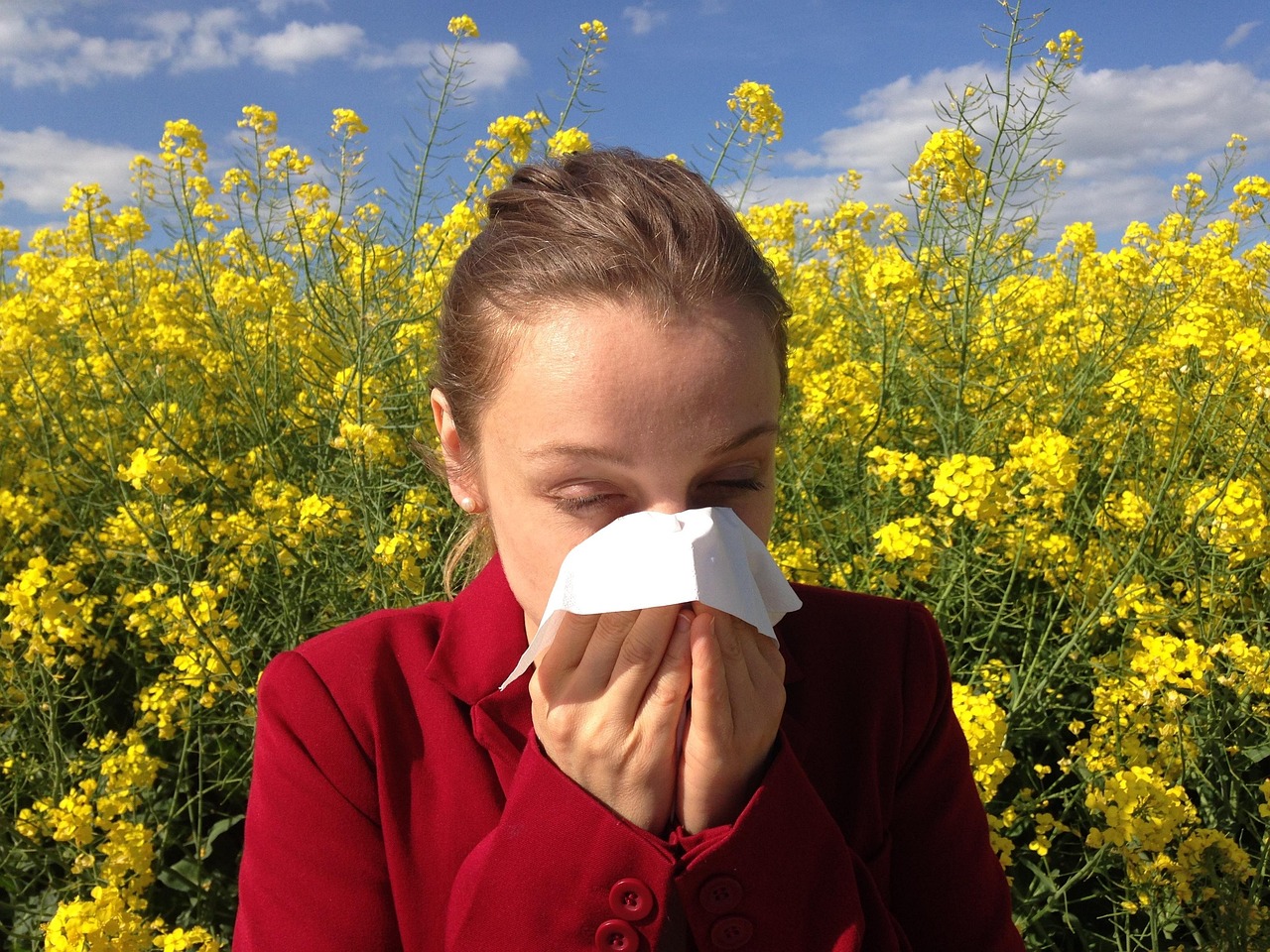

Seasonal Allergies in Dogs: First Aid and Prevention Strategies
Seasonal allergies are a common issue for dogs, affecting their quality of life and health. Allergens such as pollen, mold, and grass can trigger allergic reactions, leading to symptoms like itching, redness, and discomfort. Many dog owners are not aware of the signs of allergies until severe symptoms arise. With proper knowledge and preparation, these reactions can be managed effectively. Dog owners should observe their pets closely for any signs of allergic reactions, especially during specific seasons. Familiarizing oneself with the common allergens in your local area can also help in taking preventive measures. By controlling exposure, pet owners can minimize the effects of seasonal allergies on their beloved companions. The importance of consulting with a veterinarian cannot be overstated, as they can provide accurate diagnoses and recommend appropriate treatments. A veterinarian’s guidance can also help identify triggers and develop a management plan tailored to each dog’s needs. Adopting a proactive approach is vital for ensuring a healthy, happy dog. Understanding how to care for a dog experiencing allergies can be beneficial in providing immediate relief while waiting for professional veterinary advice.
Dog allergies can manifest through various symptoms, such as itching, sneezing, and watery eyes. Symptoms may vary from mild to severe, depending on the dog and the allergen involved. Owners often notice their pets scratching more frequently, leading to potential skin infections if not managed properly. Other symptoms might include loss of fur, which can further exacerbate skin irritation. Coughing and gastrointestinal issues can also arise in some cases, highlighting the need for thorough observation of your dog’s behavior. If you suspect that your dog is suffering from seasonal allergies, consulting a veterinarian is essential. During the appointment, the vet will likely perform a physical examination and may recommend tests to confirm the diagnosis. Once allergies are diagnosed, treatment options may include antihistamines, corticosteroids, or topical treatments for mild cases. Involving your veterinarian ensures that your dog receives the most appropriate treatment to alleviate symptoms. Additionally, keeping your dog indoors during peak pollen times and offering regular baths can help reduce exposure to allergens. Implementing these strategies can enhance comfort and reduce allergic responses throughout allergy season.
Understanding Dog Allergy Triggers
Identifying the specific triggers for your dog’s allergies is crucial for effective management. Common allergens include environmental triggers such as pollen, dust mites, and mold. Seasonal changes can increase the presence of certain allergens, causing dogs to experience heightened reactions during those times. Some dogs may develop a sensitivity to particular grasses or trees, which can lead to discomfort when they come into contact with these plants. Additionally, other allergens such as food ingredients or flea bites can complicate situations. Food allergies can manifest similarly to seasonal allergies but may include gastrointestinal symptoms like vomiting and diarrhea. It’s essential to monitor your dog’s exposure to any potential allergens, particularly during peak allergy seasons. A diary documenting your dog’s symptoms can aid in identifying patterns and triggers that affect them over time. Collaborating with your veterinarian to pinpoint specific allergens can guide further treatment and management strategies. Conducting allergy tests may help determine if environmental factors or dietary components contribute to allergy symptoms. Understanding these triggers empowers owners to manage their dog’s allergies efficiently and improve their overall well-being during allergy seasons.
First aid for dogs experiencing allergic reactions is vital for immediate relief and comfort. If your pet demonstrates signs of a severe reaction, such as swelling around the face or difficulty breathing, seeking veterinary attention is critical. However, for less severe symptoms, first aid measures at home can help alleviate discomfort. Bathing your dog with a gentle, hypoallergenic shampoo can remove allergens from the fur and skin, providing instant relief from itching. Cool damp cloths can be applied to inflamed areas to soothe irritation. Ensuring your dog has plenty of fresh water available can help with hydration, particularly if they are experiencing increased respiratory rates. Additionally, keeping your home clean and free from dust and mold can significantly reduce allergens in your pet’s environment. Regular cleaning of flooring, dog bedding, and furniture is essential, as these often harbor allergens. Easing your dog’s symptoms can be a simple yet effective way to improve their comfort level. Monitoring your dog for any changes or worsening signs is important, as it can guide further actions and encourage timely veterinary intervention if necessary.
Preventive Measures for Seasonal Allergies
Recognizing the need for preventive measures helps mitigate the impact of seasonal allergies on dogs. Firstly, keeping your dog indoors during high pollen counts can significantly reduce their exposure to allergens. Owners can utilize weather apps and local pollen forecasts to anticipate peak allergy days and plan activities accordingly. Additionally, washing your dog’s paws after walks can remove potential allergens collected outdoors. Another proactive approach involves maintaining a clean home environment, which can prevent dust and mold accumulation. Using air purifiers can help filter allergens, improving indoor air quality. Regularly grooming your dog by brushing their coat can help minimize loose fur and dander, which carry allergens. Furthermore, a balanced diet will promote a strong immune system, aiding your dog in handling allergies more effectively. Consult your veterinarian regarding possible supplements that support skin health or immune function. Recognizing early signs of allergies and taking appropriate steps can go a long way toward improving your dog’s comfort during allergy seasons. Empowering yourself with knowledge and developing a consistent preventive routine will ensure your dog remains happy and healthy.
The role of your veterinarian is central in managing your dog’s allergies effectively. Routine check-ups enable early identification of allergies and potential adjustments in treatment plans. Discussing any new symptoms with your veterinarian ensures that changes in your dog’s condition are addressed promptly. Moreover, your veterinarian can provide guidance on using antihistamines safely and which products are best suited for your dog’s size and breed. Exploring possible allergies through skin or blood tests can help rule out other conditions. These tests are crucial for determining the underlying causes of allergic responses. The information gained from such tests can guide appropriate treatment plans. Engaging with your veterinarian can also lead to insights into innovative management strategies and ongoing research on allergy treatments. Follow-up visits become essential in tracking treatment efficacy and modifying approaches as necessary. Holistic approaches, including natural supplements, may also be discussed for dogs showing adverse reactions to conventional treatment methods. Presenting a comprehensive picture of your dog’s health will foster a collaborative effort between you and your veterinarian, ensuring your pet’s health benefit.
Conclusion: Embracing Allergy Awareness
In conclusion, embracing awareness of seasonal allergies in dogs is key to effective management. A proactive approach, including identifying triggers and implementing preventive measures, is essential for maintaining your dog’s well-being. Recognizing symptoms early and providing timely first aid can significantly reduce discomfort. Consistently monitoring your dog’s environment and health will help you adjust to allergy seasons more effectively. Consultation with your veterinarian should be routine, ensuring your dog receives the best possible care for their allergies. Engaging with resources and communities focused on dog care can offer invaluable support and new strategies for reducing allergens. Educating oneself about seasonal allergies and prevention can promote a healthier living situation for your dog. As allergies can affect any breed or age, being prepared allows you to intervene swiftly if allergic reactions occur. By creating a well-informed action plan, you allow your dog to live comfortably, minimizing disruption from allergy symptoms. Awareness and preparation will ultimately enhance the quality of life for your dog while navigating the challenges posed by seasonal allergies.
This article provides essential insights into coping with seasonal allergies in dogs, helping owners develop effective management strategies.