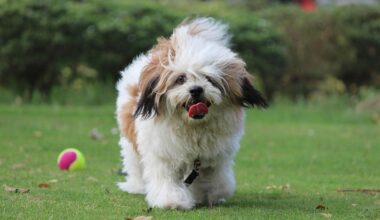

Daily Playtime and Its Effects on Dog Psychology
Understanding dog behavior often begins with recognizing the significant impact of their daily routine, especially playtime. Dogs thrive on consistency, and incorporating a structured playtime can positively influence their psychological health. Regular play can reduce anxiety, strengthen the bond between the dog and owner, and encourage social behaviors. Studies show that dogs with interactive play routines exhibit fewer behavioral issues and have a better overall temperament. Engaging in playtime not only provides physical exercise but also stimulates mental processes that are essential for a dog’s cognitive development. Furthermore, types of play, whether fetch, tug, or praise, can shift a dog’s focus and enhance their mood. In addition, interactive toys or puzzles can provide mental challenges that further nurture a dog’s psychology. Therefore, regular playtime shouldn’t be optional; it is paramount for a dog’s mental well-being. Owners should establish a routine that includes different kinds of activities that cater to their dog’s unique personality and preferences. This article explores these dynamics in detail and offers insights on how daily playtime can be effectively utilized for optimal dog psychology.
The Importance of Routine
The importance of routine cannot be overstated when it comes to a dog’s behavioral adjustment. Predictable daily playtime creates stability in a dog’s life, allowing them to anticipate activities that provide joy and engagement. With a regular schedule, dogs experience reduced levels of stress and are less likely to exhibit signs of anxiety. Dogs are creatures of habit, and adjustments to their routine can often lead to confusion or stress. When they know what to expect, their mental state improves, making them more adaptable and well-adjusted. Furthermore, creating a balance of activities can help in mitigating behavioral issues related to boredom or lack of stimulation. Owners can include variations in the routine, such as different games or toys, to maintain excitement and enthusiasm during playtime. This engagement also fosters desirable behaviors like impulse control and patience as dogs learn to wait for their turn during interactive plays or group settings. Routines provide a framework that dog owners can build upon, further enhancing their dog’s psychological health through engaging play activities that nourish their instincts and promote positive behaviors.
Recognizing the signs of healthy play is another crucial aspect of understanding a dog’s psychology. Healthy playtime is characterized by enthusiasm, engagement, and a willingness to interact with both humans and other dogs. Observing a dog in their play routines can offer insights into their emotional state; signs of enjoyment include playful barks, wagging tails, and playful postures. If a dog displays reluctance or fear during play, these signals could indicate anxiety that needs addressing. Such observations are essential for caregivers to tailor their playtime activities to help alleviate stress and ensure positive associations with play. For example, incorporating social interactions, like playdates with friendly dogs, can enhance confidence and provide critical social skills. Likewise, dogs that are more reserved may benefit from one-on-one interactions where they can control the pace and intensity of play, thereby fostering a sense of ownership and security in their environment. Meeting dogs at their comfort levels during play can ensure that they increasingly associate playtime with positive experiences, further promoting healthy psychological development.
Building Bonds Through Play
Playtime is not just about physical activity; it’s a vital opportunity for building relationships between dogs and their owners. Engaging in shared activities fosters trust and strengthens the emotional bond. The process of playing together enables dogs to see their owners as partners in fun rather than just as caregivers. This relationship-building aspect is essential for a dog’s emotional health and can profoundly impact their behavior. Activities such as fetch, tug-of-war, or obedience training disguised as a game encourage cooperation and mutual respect. Owners can utilize playtime as a training ground, reinforcing commands and rules in a way that feels enjoyable for the dog. This approach enhances learning, making it easier for dogs to adapt and follow commands positively. Moreover, dogs are likely to respond better to training when it’s synonymous with fun rather than work. Consequently, this creates a positive feedback loop where well-trained dogs engage more effectively during play, leading to even more enjoyable playtime experiences. In turn, this strengthens both behavior and overall dog psychology, paving the way for happier and more secure pets.
Different breeds may exhibit distinct play preferences and behaviors, highlighting the need for tailored routines. Understanding these preferences helps owners craft playtime experiences that fit their dog’s natural instincts. For instance, herding breeds may thrive on chase games due to their energetic and driven nature, while companion breeds might prefer quieter forms of play involving bonding and less intense energy. It’s essential to observe and adapt to each dog’s tendencies to provide them with fulfilling experiences that align with their interests. Moreover, regular engagement allows dogs to explore various play styles, encouraging them to develop new skills while enhancing their confidence. This exploration aligns with their natural instincts, promoting mental stimulation. Engaging different senses during play, such as scent work or agility training, can also enhance the psychological aspect of playtime. By catering to breed-specific needs, owners ensure their dogs receive the kind of mental and physical exercise they require for optimal functioning, consequently fostering a sense of purpose and happiness. Ultimately, individualized play routines contribute greatly to a dog’s overall psychological health and well-being.
The Role of Physical Activity
Physical activity plays a pivotal role in shaping a dog’s behavior and psychology. Regular exercise helps to reduce excessive energy levels, counteracting unwanted behaviors such as chewing or barking. An active dog is a happy dog; physical exertion triggers the release of endorphins, which positively affects mood. This is particularly important for dogs that may otherwise exhibit anxiety or hyperactivity. Structured playtimes filled with active engagement allow dogs to expend energy efficiently while learning to redirect potential behavioral issues. In addition, interactive play routines like agility courses or fetch not only stimulate physical health but also bolster mental alertness and cognitive abilities. Furthermore, incorporating new challenges during play not only maintains interest but also helps to build resilience and adaptability. Dogs that engage in diverse physical activities develop problem-solving skills and become more flexible in adapting to various situations. This adaptability is crucial in ensuring that dogs can manage their environment and cope with stressors effectively. Hence, fostering a physically active lifestyle through daily playtime is integral to promoting an equally balanced psychological state for dogs, leading to calmer, more well-adjusted pets.
Moreover, the impact of daily playtime extends beyond the immediate benefits of behavioral improvements; it promotes long-term psychological health. Establishing a consistent routine of play enhances dogs’ resilience, helping them navigate challenges more effectively. Dogs involved in regular, enjoyable play are likely to develop a more positive outlook on life, as they associate playtime with safety and joy. This positive reinforcement is crucial, as dogs with a healthy psychological framework are generally less prone to behavioral issues and can better manage negative experiences. Furthermore, forging strong connections during play enhances their ability to bond not only with humans but also with other animals. Better social skills lead to a dog’s increased comfort in varied environments. Owners can further reinforce these experiences by encouraging varied social interactions with different dogs to promote adaptability and lessen fears. Encouraging play in safe environments ideally develops dogs’ confidence and preparedness to face new situations. Consequently, implementing daily playtime routines significantly contributes to a happier, emotionally balanced dog, showcasing the profound role lay has in nurturing excellent dog psychology.
In conclusion, establishing a routine that prioritizes daily playtime is essential for nurturing healthy dog psychology. The reciprocal benefits of play not only enhance behavioral patterns but significantly impact emotional and psychological well-being. A well-rounded play routine fosters trust and strengthens the bond between the dog and owner while promoting confidence and adaptability. Understanding each dog’s unique play preferences and behaviors allows owners to create personalized routines that resonate with their dogs’ instincts. By emphasizing consistent physical activity through engaging play sessions, owners allow their dogs to release pent-up energies, reducing stress and anxiety levels. Furthermore, providing varied play experiences helps dogs develop problem-solving skills and enhances their cognitive capacities, leading to overall psychological fortitude. Ultimately, the role of daily playtime extends well beyond mere amusement; it shapes how dogs interact with their world. When prioritized, daily playtime becomes a cornerstone of a happy, balanced, and well-adjusted dog, affirming the powerful connection between routine, play, and dog psychology. This commitment ensures that dogs lead fulfilling lives, enriched by positive experiences and strengthened by loving relationships.