
Exercise Needs of the Lhasa Apso: Keeping Your Dog Active
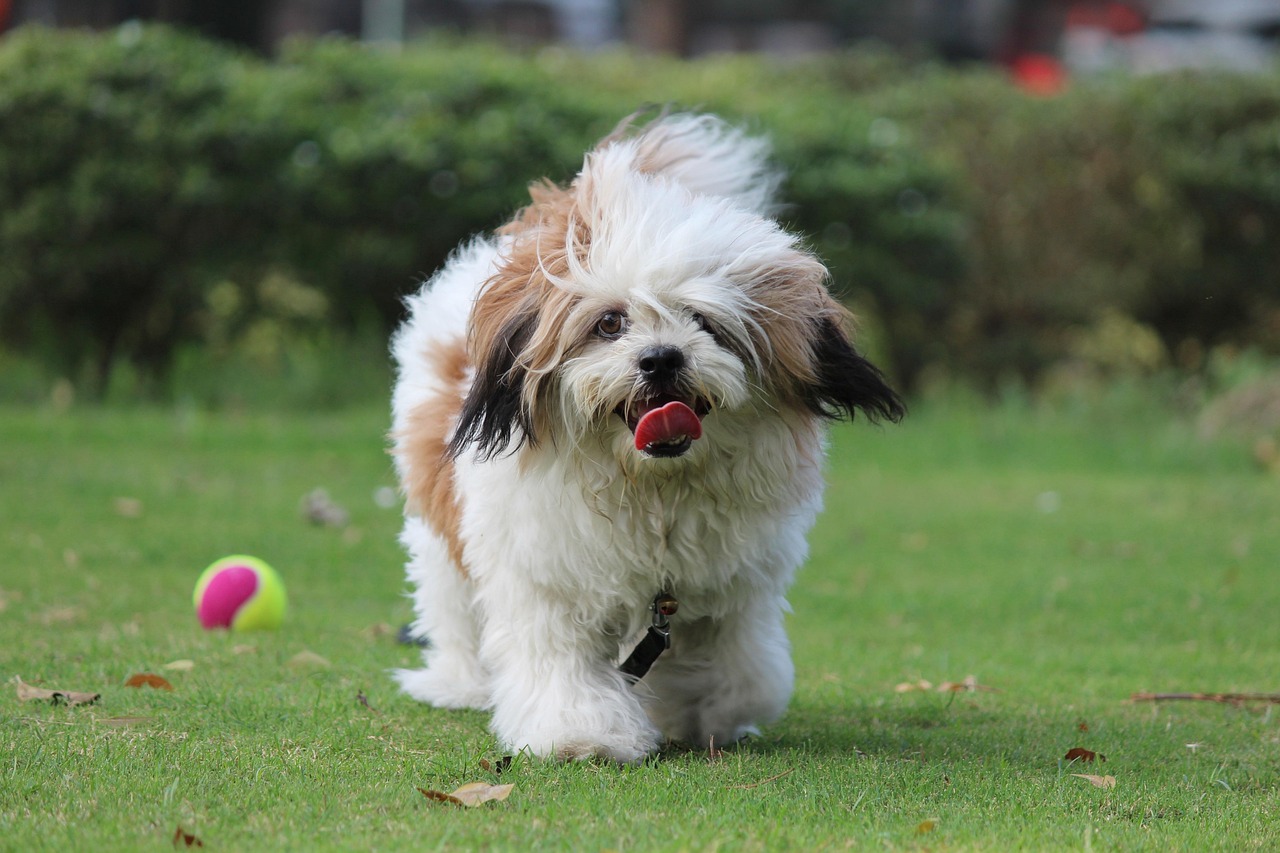
The Lhasa Apso is a delightful breed known for its lively spirit, charming demeanor, and unique appearance. Originating from Tibet, this breed was initially bred as a companion for royalty in palaces. Due to their history, Lhasa Apsos require daily exercise and mental stimulation to remain happy and healthy. Regular activity is crucial to keep them fit, avoid obesity, and prevent behavioral issues that arise from boredom. Although they are small in size, they possess a fair amount of energy. Daily walks are important, and these should be complemented with interactive playtime. Engaging your Lhasa during outdoor adventures will benefit both dogs and owners. Furthermore, mental stimulation through training exercises is equally vital to ensure their well-being. Without adequate exercise, Lhasa Apsos may exhibit unwanted behaviors, such as excessive barking or chewing. This makes it important to dedicate specific time in your daily routine for their exercises and activities. In summary, by ensuring that your Lhasa Apso has a regular exercise regimen, you will help maintain their health, happiness, and overall well-being.
One way to keep your Lhasa Apso active is to incorporate regular walks into your routine. Ideally, you should aim for at least two walks a day, totaling about 30 minutes. This not only provides physical exercise but also opportunities for exploration and socialization. Use a leash and collar or harness designed specifically for small breeds to ensure their safety during outdoor excursions, and be mindful of the weather, as small dogs may struggle in extreme temperatures. During walks, allow them to sniff and explore, as this is an important part of their experience. Additionally, you can take advantage of dog parks, which are great for off-leash interaction with other friendly dogs. Always supervise your Lhasa closely, as they may become overwhelmed by larger, more boisterous breeds. Incorporating games like fetch or frisbee can also pique their interest, making exercise fun rather than a chore. Furthermore, rotating between different routes can keep things exciting, ensuring that your Lhasa Apso remains engaged and eager for exercise. Consistency in maintaining their physical activity positively impacts their mental health and overall demeanor.
Indoor Exercises for the Lhasa Apso
Not every day allows for outdoor adventures, especially during inclement weather. Thankfully, there are numerous indoor activities that can effectively keep your Lhasa Apso engaged and stimulated. Indoor exercises can be a blessing during rainy days or extreme temperatures, as they provide opportunities to burn off energy without leaving your home. Consider playing games that encourage movement, such as hide and seek or scavenger hunts using toys and treats. You can hide a favorite toy or treat in various rooms and encourage your pet to search for it. Puzzle toys specifically designed for a Lhasa Apso can also provide mental challenges that stimulate them mentally and physically. Furthermore, creating an obstacle course with pillows and furniture builds agility and provides interactive fun. Teaching new tricks or commands is another excellent way to engage their minds. Remember to offer praise and treats to reinforce positive behaviors and ensure that learning remains enjoyable for them. Consistent indoor exercise helps maintain their physical health while nurturing the bond you share with your furry friend.
Another aspect of keeping your Lhasa Apso active involves engaging in playtime with various toys that cater to their smart nature. Many Lhasa Apsos enjoy toys that challenge them mentally and physically, such as interactive selections that dispense treats. This not only encourages them to exercise but also enriches their cognitive skills. Durable chew toys designed specifically for small breeds provide outlets for their natural chewing instincts, promoting dental health. Tug-of-war can be a fun game, allowing them to interact with their owners while burning off energy. Additionally, consider rotation of toys to maintain their interest; introducing new toys or rediscovering old ones encourages their curiosity. Also, remember that moderate exercise is crucial to prevent joint problems. Thus, you should avoid high-impact activities that are strenuous for them. Knowing your Lhasa Apso’s physical limits is essential, especially as they age. Always opt for activities that suit their energy levels to ensure they can enjoy exercise while decreasing the risk of injury. By providing diverse forms of fun exercise, your Lhasa Apso will stay active and content.
The Role of Training in Exercise
Training offers a dual benefit for Lhasa Apsos, providing mental stimulation while also reinforcing necessary obedience skills. Training sessions should be included in their exercise routines to keep their minds engaged while promoting bonding between dog and owner. Start with simple commands such as sit, stay, come, and gradually progress to more advanced commands and tricks. Use positive reinforcement techniques, such as treats and praise, to encourage learning. Training not only utilizes physical energy but also challenges their mental acuity and focus. Incorporate agility training with equipment like tunnels and jumps to keep exercise imaginative and varied. These activities can fit in well with the morning or evening walks, allowing your Lhasa Apso to enjoy exploration while following your guidance. Furthermore, training helps prevent behavioral issues often associated with boredom or excess energy. A structured routine that includes training sessions reassures your Lhasa Apso that they are receiving adequate exercise and attention. Continual learning gives them a purpose, making them feel more secure and engaged in their role as your loyal companion.
Socialization is an important aspect of your Lhasa Apso’s exercise routine. Interacting with other dogs and people plays a significant role in their development and general happiness. Introduce your pup to new situations gradually and positively, ensuring that each interaction is a good experience. Consider enrolling in a puppy socialization class or visiting dog-friendly venues. This fosters positive interactions and helps your dog feel more relaxed in new environments. Playdates with other well-behaved dogs serve as excellent opportunities for physical activity and socialization. Regular interaction helps develop their behavior and reinforces their social skills. When around other dogs, supervise their play to ensure it remains safe and fun. This helps them develop confidence and prevents insecurity or aggression later on. Remember that every dog is different, and some may take longer to acclimate to new social settings. By patiently working on socialization techniques, you will help nurture your Lhasa Apso into a well-adjusted and balanced dog, leading to a lively spirit and love for life as an active companion.
Lastly, consider the environment in which your Lhasa Apso exercises. An appropriate exercise area is essential where your dog can roam freely and safely. Ensuring that this space is secure from potential hazards, such as dangerous plants or sharp objects, gives you peace of mind. If exercising outdoors, choose locations that are dog-friendly, providing a distraction-free zone where they can run and explore without interruptions. Enclosed dog parks are ideal for letting them off-leash, while trails or parks with leash regulations are also great choices. Supervision remains crucial, especially in crowded areas, where other animals and people abound. Always bring fresh water along for hydration during exercise, especially on warm days. Incorporating regular, enjoyable exercise into your Lhasa Apso’s day contributes significantly to their happiness and health. Balancing exercise and socialization provides a fulfilling life experience. In summary, recognize the importance of regular activity and mental stimulation, and connect with your beloved Lhasa Apso in their quest for a happy, active lifestyle.