
Diet and Nutrition to Strengthen Your Cat’s Disease Resistance
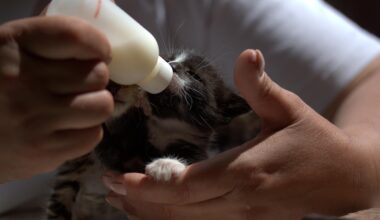
When it comes to adopting a cat, maintaining its health is a priority for every loving pet owner. One of the most effective methods to enhance your adopted feline’s immunity is through proper diet and nutrition. Cats, being obligate carnivores, require a diet rich in proteins and certain nutrients that help build a robust immune system. Ingredients like lean meats, fish, and high-quality commercial cat foods that list animal proteins as the first ingredient are essential. Additionally, incorporating healthy fats and carbohydrates can support their overall well-being. Opting for commercially prepared foods ensures they receive a balanced diet tailored for their needs, but homemade meals can also be beneficial if well-researched. Regular vet check-ups are crucial to prevent possible dietary deficiencies. A proper feeding routine established from the moment of adoption can help maintain healthy weight, which is integral to preventing diseases. A well-rounded diet will not only give your cat energy but also ensure they remain vibrant, active, and less susceptible to various illnesses.
In addition to focusing on proteins and fats, it’s essential to ensure adequate vitamins and minerals in your cat’s diet. Essential nutrients like vitamin A, D, and certain B vitamins support metabolic health and bolster the immune system. Minerals such as zinc, selenium, and iron also play vital roles. Cats often have specific dietary requirements that differ from those of humans or other animals; hence, you must avoid certain foods such as onions, garlic, and chocolate. Moreover, it is beneficial to consult with your veterinarian to create a customized meal plan tailored to your cat’s age, weight, and overall health status. This individualized approach can help ensure your cat receives the nutritional support it needs to fend off common diseases and thrive. Always monitor how your cat reacts to any changes in diet, as some cats may have unique sensitivities or allergies. Providing fresh, clean water at all times is also critical for your cat’s hydration and health, as dehydration can lead to urinary diseases among other health concerns. Ensuring a balanced diet is an essential step toward nurturing a healthy, happy cat.
Understanding Cat Nutrition Basics
Understanding the basics of cat nutrition can significantly impact your cat’s resistance to diseases. Recognizing that not all cat food is created equal helps in making valuable choices. Many cat foods are fortified with additional vitamins and minerals to combat deficiencies and promote better health, so look for those with certifications from animal nutrition associations. High-quality cat foods often utilize fresh, human-grade ingredients free from fillers and artificial additives that can lead to health issues. It’s also important to be aware of your cat’s age, as kittens require different dietary compositions compared to adult and senior cats. Kittens benefit greatly from calorie-dense foods to fuel their rapid growth, while elderly cats may need diets lower in calories but higher in specific nutrients to support their ageing bodies. Avoid feeding your cat a single type of food too often, as variety not only keeps their meals interesting but also exposes them to a broader range of nutrients. Cat’s diet can greatly influence their immune response and overall health, making it crucial to prioritize high-quality nutrition from a young age.
Analyzing the ingredients in cat food can also aid in understanding its quality. Cat food labels often detail primary components that guide one in dietary decisions. Look for high-quality protein sources such as chicken, turkey, or fish as the primary ingredients rather than unidentified meats or by-products. These listed proteins provide essential amino acids crucial for maintaining healthy tissue and immune function. Also, consider fiber content; while cats don’t require much, a small amount can aid in digestion. Omega fatty acids, particularly omega-3 and omega-6, support skin and coat health and can reduce inflammation. Remember, the best approach to feeding your cat involves combining commercial diets with occasional home-prepared meals to add wholesome ingredients. Consulting with a veterinarian or feline nutritionist can provide insights into balancing commercial and homemade foods effectively. The health implications of a well-rounded diet can go far beyond just reducing disease susceptibility; they contribute to enhancing your cat’s energy levels, activity, and lifespan, providing years of companionship. Invest your time in exploring options; a little effort goes a long way.
The Role of Supplements
Besides feeding your cat a balanced diet, sometimes the addition of supplements can enhance your cat’s resistance to health issues. Supplements can provide essential nutrients that might be lacking in your cat’s primary food plan. For instance, probiotics can promote a healthy gut, while omega-3 fatty acids can support skin health and immune function. Additionally, vitamin supplements can play a role in boosting immunity, particularly during the winter months when diseases are more prevalent, and cats are more likely to experience health issues. Always discuss any potential supplements with your veterinarian to ensure they are appropriate and necessary for your cat’s specific dietary needs. Supplements are not a replacement for a healthy diet but should complement it; the key is moderation. Over-supplementation can lead to imbalances and additional health issues. Your vet can help set realistic expectations on the effects of supplements as well as how to dose correctly. Integrating supplements into your cat’s nutrition plan efficiently may give them an edge in fighting off common diseases and enhance their overall quality of life.
Moreover, taking an integrated approach to diet and overall lifestyle also emphasizes the importance of proper hydration. Cats often do not drink enough water, especially those eating dry food. Introducing wet food into their diet is an excellent strategy as it can provide additional moisture that is crucial for urinary health. Dehydration can lead to various diseases, particularly urinary tract infections and kidney disease, which are common in cats. Ensuring your cat has constant access to fresh water is vital; consider using pet fountains as they encourage drinking behavior. Regular hydration not only fosters proper kidney function but also assists in keeping your cat’s skin pliable and coat shiny. In combination with a balanced diet, proper hydration can enhance overall vitality and well-being. Paying attention to signs of dehydration, such as lethargy or dry gums, can serve as valuable indicators for at-risk felines. Furthermore, frequent vet check-ups become critical to monitor the health of your cat. Establishing a preventative health care plan can ensure your cat lives a long, healthy, and joyful life.
Regular Exercise and Lifestyle
In addition to diet and nutrition, regular exercise plays a significant role in boosting your cat’s immune system and overall health. Outdoor and indoor cats both benefit immensely from physical activity, as it stimulates mental health and strengthens their cardiovascular system. Engage in interactive play using various toys to promote exercise, helping your cat to avoid obesity and related diseases. Schedule daily playtime to encourage movement; even short bursts of activity can make a significant difference. Living in multi-cat households can also encourage natural play behavior, leading to a healthier lifestyle. Providing climbing structures and scratching posts not only allows them to exercise their body but also keeps their minds engaged. Activities such as chasing laser pointers or feather wands can mimic hunting and offer both physical and mental stimulation. Always supervise your cat during play to ensure their safety. A proactive approach to creating a lively, enriching environment for your adopted cat can pay dividends by improving your cat’s health and longevity. Establishing a routine that combines nutrition, exercise, and veterinary care ensures the best health outcomes.
In conclusion, protecting your adopted cat from common diseases hinges on understanding the importance of diet, hydration, regular exercise, and a proactive healthcare plan. A well-balanced diet rich in proteins, vitamins, and minerals lays the foundation for a strong immune system, while proper hydration prevents various health issues. Additionally, incorporating regular physical activity into your cat’s daily routine enhances their overall health, both physically and mentally. Do not forget to introduce any dietary changes gradually and always keep an eye on their reactions. Consulting your veterinarian ensures personalized recommendations and keeps your cat’s nutritional requirements in check. Remember, fostering a healthy lifestyle is integral; the commitment to quality nutrition empowers your cat to navigate life with vitality and resilience. Investing in your cat’s health from the moment of adoption results in fewer health problems in the long run and a deeper bond with your furry friend. Take the time to explore options and make informed feeding choices. Your cat will thank you with a lifetime of companionship.