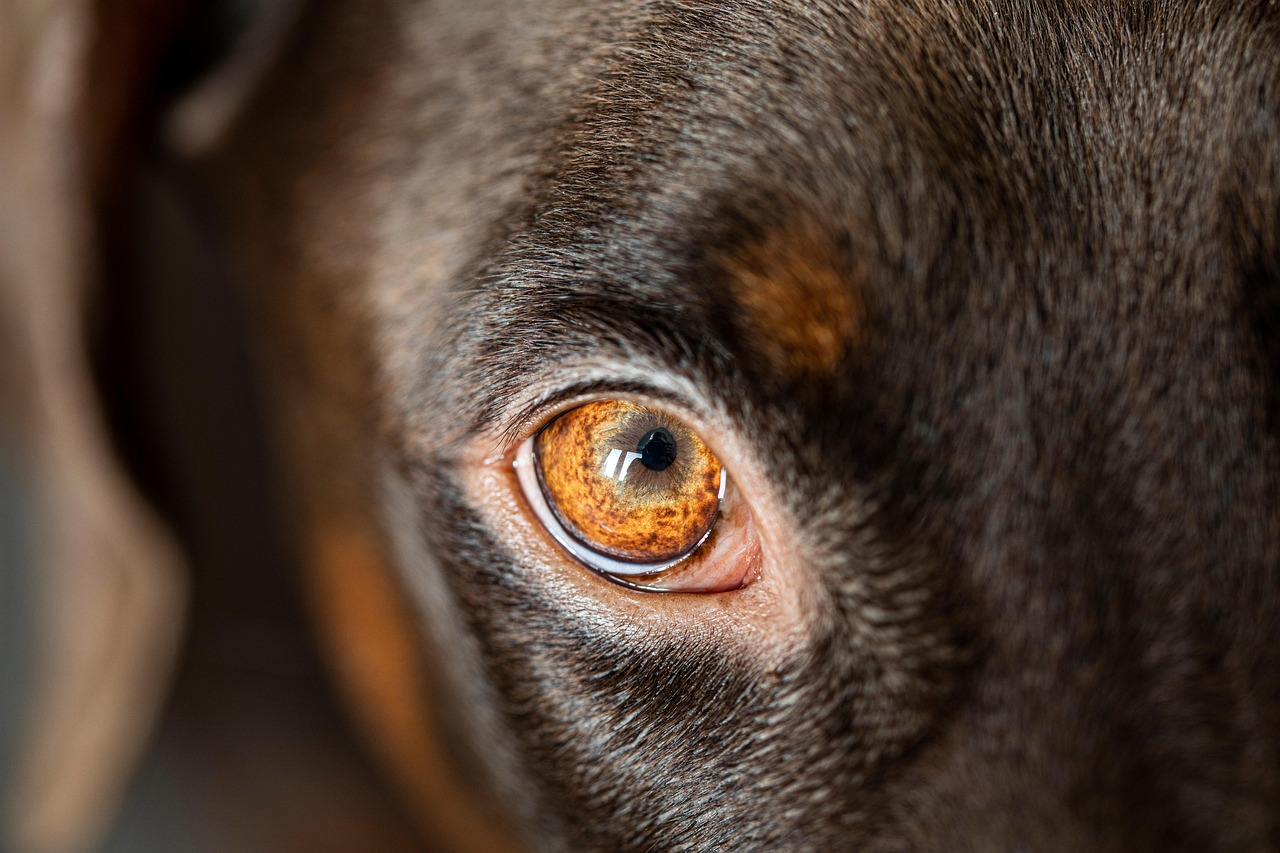

How to Safely Clean Your Dog’s Eyes to Prevent Infections
Keeping your dog’s eyes clean is essential for maintaining their overall health and preventing infections. Regular cleaning can help remove allergens, dirt, and other debris that could harm your dog’s eyes. To clean your dog’s eyes safely, start by gathering your supplies. You will need a clean, soft cloth or cotton balls, saline solution or dog-specific eye wash, and treats to reward your dog afterward. Always ensure your hands are clean before starting the cleaning process to avoid transferring any bacteria to your dog’s eyes. Hold your dog securely to prevent sudden movements while you clean their eyes. It’s best to have someone assist you, especially if your dog is restless or anxious during the process. Gently wipe away any discharge or tear stains from the corners of your dog’s eyes. Ensure you use a separate cloth for each eye to prevent cross-contamination. After cleaning, offer your dog a treat to reinforce positive behavior during the cleaning process. Following these steps can help keep your dog’s eyes healthy and infection-free, and ensure they maintain optimal vision.
Choosing the Right Products
When cleaning your dog’s eyes, it is crucial to select the appropriate products to ensure safety and effectiveness. Always opt for a saline solution or veterinary-approved eye wash that is specifically formulated for pets. Avoid using human products, as they can irritate your dog’s sensitive eyes and lead to further complications. Additionally, using distilled water mixed with non-iodized salt can serve as a gentle cleaning solution if you lack commercial eye washes. Always test the products on your skin before using them on your dog to ensure there are no adverse reactions. Follow the manufacturer’s directions carefully, especially regarding dosage and frequency of use. Keeping your dog’s eyes free from foreign materials can prevent foreign body injuries or infections that compromise their vision. Your veterinarian can recommend the best eye cleaning solutions suited for your dog’s needs. For dogs with specific conditions or sensitivities, consulting with a veterinarian before beginning any cleaning routine is wise. By taking these precautions, you safeguard your dog’s eye health and prevent unnecessary irritation or discomfort when cleaning.
The frequency of cleaning your dog’s eyes will depend on various factors, including the breed, age, and health condition of your pet. Some breeds are more prone to eye problems due to their facial structure and tear production levels. For instance, flat-faced breeds like Pugs and Bulldogs may require more frequent cleaning due to excessive tear production and eye discharge. Conversely, dogs with naturally healthy eyes might need less regular attention. Generally, it is advisable to check your dog’s eyes once a week for signs of dirt or discharge. If you notice any excessive tearing, redness, or swelling, consult your veterinarian immediately, as these could be signs of an eye infection or other health issues. Starting a cleaning schedule can help establish a routine that is comfortable for you and your dog. Always be gentle and patient, ensuring your dog associates the cleaning process with positive experiences. Positive reinforcement, such as treats or praise, can encourage your dog to tolerate the cleaning better, making it easier for both of you and maintaining proper eye hygiene.
Recognizing Eye Infection Symptoms
Being aware of the symptoms associated with eye infections is vital for ensuring your dog receives prompt treatment when necessary. Common signs of eye infections include redness, swelling, excessive tearing, squinting, and pawing at the eyes. You might also notice abnormal discharge, which can be watery or thick, depending on the underlying issue. If your dog exhibits these symptoms, you must consult with a veterinarian for a proper diagnosis and treatment plan. Eye infections can arise from various causes, including bacterial or viral infections, allergens, or foreign bodies lodged in the eye. Early intervention can prevent the infection from progressing and causing more severe complications, such as vision loss or chronic conditions. Regular grooming and eye cleaning can help minimize these risks, but it remains essential to monitor your dog’s eye health closely. Being proactive in spotting any irregularities can significantly impact the effectiveness of treatment, resulting in a quicker recovery. Your veterinarian can advise you on best practices and appropriate medications that may help clear up infections and keep your dog’s eyes healthy.
Another effective strategy for eye infection prevention is ensuring your dog’s living environment is clean and free from potential irritants. Regularly vacuuming your home and minimizing exposure to dust or pollen can benefit dogs, especially those with allergies. Consider using air purifiers in various areas of your home to help clear allergens that could potentially irritate your dog’s eyes. If your dog spends a lot of time outdoors, like during playtime or walks, monitoring their activities is essential. Dogs often interact with other animals and environments that may not be hygienic, creating a greater risk for developing eye infections or irritations. After outdoor activities, gently wipe your dog’s eyes to remove dirt, pollen, or debris. Additionally, always ensure your dog is not playing with potential choking hazards or foreign objects that could injure their eyes. Educating yourself about common environmental hazards is key to preventing eye injuries or infections. Prevention is often more manageable than treatment, so investing effort into maintaining your dog’s living space can significantly promote eye health.
Regular Veterinary Check-ups
Regular veterinary check-ups play a critical role in maintaining your dog’s overall health and preventing eye infections. Routine examinations can help identify potential issues before they become serious problems, allowing for early intervention and treatment. Schedule a veterinary visit at least once a year, or more often if your dog has a history of eye issues or medical conditions that require close monitoring. During these visits, your vet will perform a thorough examination of your dog’s eyes, checking for any signs of abnormalities. They can also provide you with valuable insight into maintaining eye health through proper cleaning routines and suggested products. Your veterinarian can recommend various supplements and care strategies that could significantly improve your dog’s eye health, ensuring a better quality of life. Vaccinations against common canine diseases also contribute to lower infection rates, involving your vet in maintaining your dog’s immunity. Maintaining a solid relationship with your veterinarian will allow you to gain a wealth of knowledge regarding pet care and help address any concerns that may arise during your dog’s life.
Ultimately, maintaining your dog’s eye health requires commitment and vigilance. Through regular cleaning, proper product selection, and routine vet visits, you can significantly reduce the risk of eye infections and tackle any arising issues promptly. By following these steps, you can enhance your dog’s eye health and overall quality of life. Always remember that your dog relies on you to provide a comfortable and safe environment, which includes proper care for their eyes. Engaging your dog during the cleaning process with treats and patience will create a positive experience that benefits both you and your furry friend. Every pet parent should prioritize their dog’s health, and eye care is an essential component of overall wellness. Engage with your dog, maintain their living environment clean, and keep an open line of communication with your veterinarian. With these practices, you can ensure your dog enjoys clear vision and strong eye health for years to come. The joy of owning a dog can be tremendous, making it all the more vital to keep them happy, healthy, and infection-free.