
Checking Your Dog’s Vital Signs: Heart Rate, Respiration, and Temperature
Monitoring your dog’s vital signs is crucial for ensuring their overall health and well-being. Understanding how to check essential indicators such as heart rate, respiration, and temperature can empower you as a pet owner. First, familiarize yourself with the normal ranges for an average dog. The **heart rate** varies depending on the dog’s size, typically ranging from 60 to 140 beats per minute. Puppies and small breeds tend to have a higher heart rate. Measuring this can help identify issues such as anxiety or health problems. Ensure your dog is calm, as excitement can skew results. Furthermore, observing their **respiration rate** is essential. Dogs typically have a resting respiratory rate of 10 to 30 breaths per minute. This rate can fluctuate due to exercise or stress. Feeling for their ribcage or watching their abdomen rise and fall can help with this check. Lastly, knowing how to accurately measure a dog’s **temperature** is vital, as normal temperatures are usually between 101 and 102.5 degrees Fahrenheit. A reliable digital thermometer is essential for accurate results.
How to Measure Heart Rate
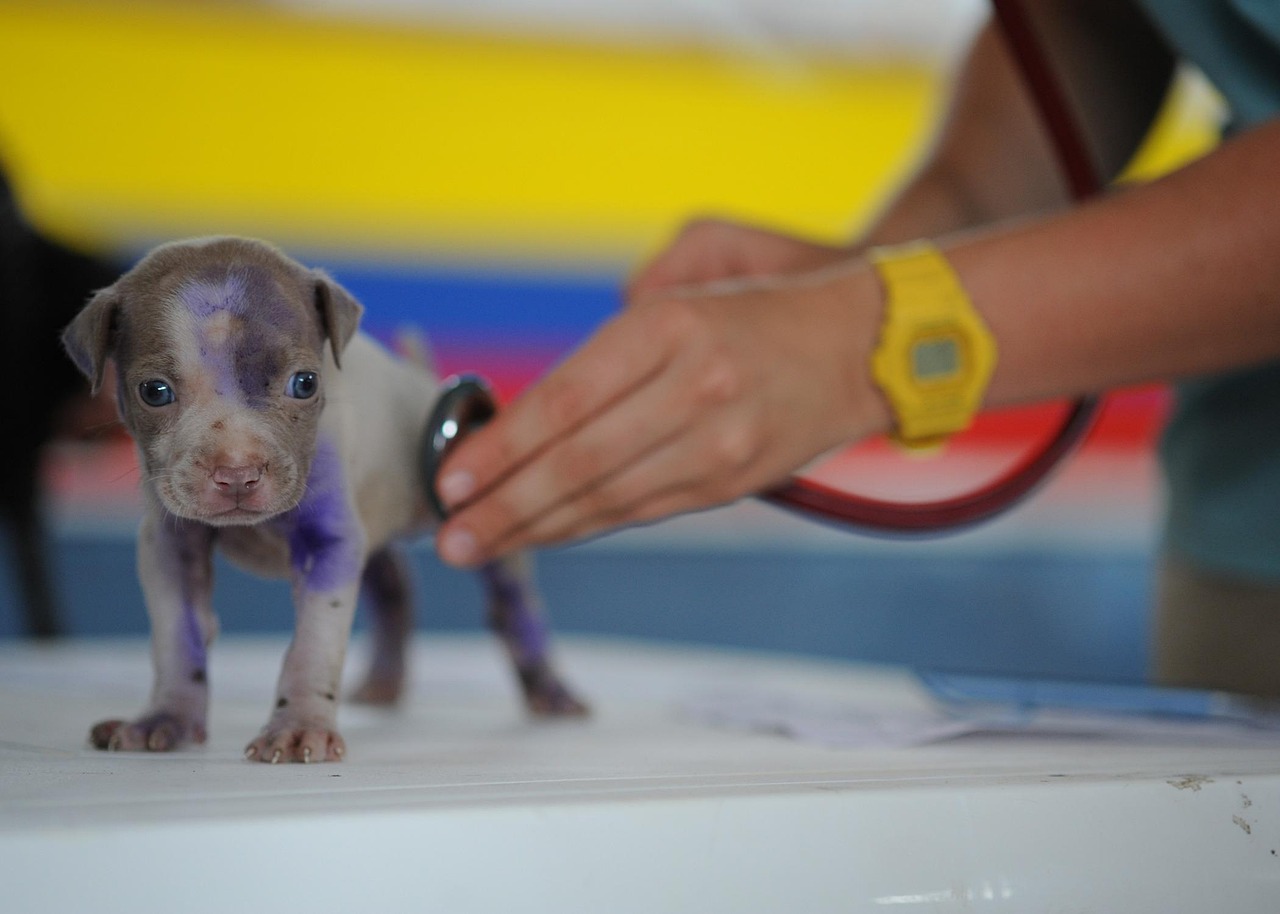
To measure your dog’s heart rate effectively, you can place your hand on their chest, just behind the elbow. This area is where the heartbeat is most palpable. Count the number of beats you feel in 15 seconds and multiply that number by four to get the heart rate in beats per minute. This method is simple and non-invasive, making it ideal for at-home checks. If your dog is more active, you might want to measure the heart rate after a brief period of rest to obtain a more accurate reading. Remember, consistently measuring the heart rate under similar conditions will yield more reliable results over time. If you notice any abnormalities, such as a significantly high or low heart rate, it’s essential to consult a veterinarian promptly. In some cases, irregularities may signal health concerns that require immediate attention. Keeping a log of vital signs can be beneficial for your vet visits, providing valuable data that can aid in diagnoses. Thus, regular monitoring can make a significant difference in your dog’s health.
How to Measure Respiratory Rate
To accurately measure your dog’s respiratory rate, observe their breathing in a calm and quiet environment. The best approach is to count the number of breaths per minute while your dog is resting comfortably. Watch for the rise and fall of their chest or abdomen. Keep a stopwatch handy and count the breaths for a minute to get an accurate measure. Alternatively, you can count the number of breaths for 30 seconds and double that number for a quick estimate. It’s essential that your dog is in a relaxed state; anxiety or exertion can result in an elevated rate. A normal respiration rate can also help you notice other inconsistencies in behavior or activity levels. If your dog’s breathing appears labored or is accompanied by coughing, wheezing, or excessive panting, these signs could indicate a respiratory issue. Consulting with your veterinarian would be advisable in such cases to ensure there are no underlying health concerns. Keeping a record of these readings over time can assist in identifying trends and prompt discussions during veterinary visits.
Measuring Temperature: Step-by-Step
Measuring your dog’s temperature can be slightly intimidating, but it’s a straightforward process. You’ll need a digital rectal thermometer specialized for pets to get an accurate result. Start by calmly reassuring your dog, as stress can affect their temperature. Apply a little lubricant like petroleum jelly to the thermometer for comfort. Then, gently insert the thermometer into the rectum about one inch deep, ensuring that it’s not forced. Hold it in place until it beeps, indicating the temperature is ready. Normal canine temperatures range from 101 to 102.5 degrees Fahrenheit. If the reading is significantly lower or higher, it may signal a health concern that requires attention. After completing the measurement, clean the thermometer thoroughly with disinfectant. Always monitor your dog for any signs of sickness, including lethargy, changes in appetite, or unusual behavior. If you observe such signs alongside abnormal temperature readings, do not hesitate to consult a veterinarian as soon as possible. Regular checks can help you stay ahead of potential health issues and maintain your dog’s health.
Recognizing Abnormal Signs
As responsible pet owners, it is necessary to know the signs of abnormal vital signs in dogs. An elevated heart rate may indicate stress, excitement, or health issues like fever or heart disease, while a lowered heart rate could signal a severe problem such as shock. It’s critical to know your dog’s baseline measurements and compare any changes to those values. Similarly, changes in respiratory patterns, like increased effort to breathe or frequent panting, can suggest pain or respiratory distress. Additionally, irregularities in temperature, such as fever or hypothermia, can also affect overall well-being. Be keenly aware of your dog’s behaviors and moods, as these can accompany physical symptoms. In any case of doubt, prioritize a visit to your veterinarian for a thorough assessment. Keeping a diary of your dog’s vital signs can be beneficial when keeping track of potential issues and reporting histories during vet visits. Noting behaviors, appetite changes, and environmental factors can also provide valuable insights. Addressing abnormal signs early can help catch health issues before they escalate, ensuring a happier and healthier life for your furry companion.
When to Seek Veterinary Care
Knowing when to seek veterinary care for your dog is essential. If you observe any significant changes in your dog’s vital signs, it’s vital not to delay seeking professional help. Conditions like rapid breathing, lethargy, or sudden disinterest in food can all be indications that something is wrong. If your dog’s heart rate is elevated or decreased when they are at rest, this can also be a cause for concern. Additionally, any dramatic shifts in temperature could indicate serious health problems, including infections. Always familiarize yourself with the typical range of vital signs for your particular breed and size, as variations can exist. If your dog loses consciousness or collapses, this is considered a medical emergency, and you should seek immediate veterinary assistance. It’s wiser to err on the side of caution than to ignore these warning signs. A veterinarian can conduct a thorough examination and run necessary tests to determine the root cause of unusual behavior or health problems. Keeping regular vet appointments can also ensure that your dog’s overall health is monitored closely.
Final Thoughts on Dog Health Monitoring
Monitoring your dog’s vital signs should be a routine part of your pet care regimen. By gaining familiarity with how to check heart rate, respiratory rate, and temperature, you’re preparing yourself to identify potential health problems early. Understanding these vital signs can empower you to act quickly if your dog exhibits signs of distress. The more knowledgeable you are about your dog’s health, the better equipped you are to help them live a long and healthy life. Keep an eye on breed-specific notes, as certain breeds may have slightly different averages to their vital signs. Regular health check-ins can also foster a closer bond with your furry friend, as they may become more comfortable with you checking their vital signs over time. Consider developing a checklist for easy reference, documenting these vital signs, or even creating a calendar for regular assessments. This systematic approach can help highlight changes in your dog’s health and make reporting to your vet easier. In conclusion, being an attentive and proactive pet owner will contribute to your dog’s lasting health and happiness.
Additional Resources for Pet Owners
For additional information and resources on monitoring your dog’s health, consider exploring reliable pet health websites, veterinary clinics, and animal behaviorists who can provide more expert guidance. The American Kennel Club (AKC) and the American Veterinary Medical Association (AVMA) offer valuable insights and tips for dog owners on pet care, training, and emergency preparedness. Online courses and workshops are also available to help pet owners learn about first aid and emergency care for dogs, contributing to your confidence in managing unexpected health situations. To facilitate ongoing learning, check local veterinarians or pet stores for classes focused on canine health and wellness. Joining local pet owner groups can also provide a supportive network and a platform for sharing experiences and advice. Remember that knowledge is power when it comes to pet care, and continuous education can make you a better and more prepared dog owner. Ultimately, being proactive about your dog’s health will ensure that they receive the best care possible, providing you both with peace of mind and a long-lasting companionship.