
Keeping Your Dog’s Food Fresh and Safe on the Road
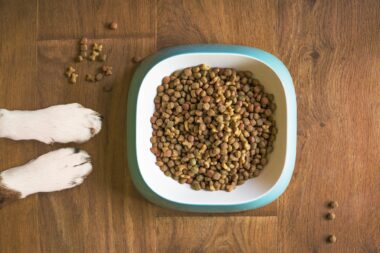
Traveling with your dog can be a delightful experience, but it comes with the responsibility of ensuring their health and safety. Proper feeding and nutrition are crucial, especially when you are on the go. To keep your dog’s food fresh while traveling, consider investing in high-quality food storage containers. These containers protect dog food from moisture, pests, and even the elements. It’s essential to pick a container that is easy to transport and fits securely in your vehicle’s trunk or storage area. When selecting food for your pet, always choose options that offer balanced nutrition. Not only should the food be appropriate for your dog’s life stage, but it should also be something they will enjoy eating. When planning your trip, try to maintain your pet’s normal food schedule despite being on the road. Regular feeding times help maintain their digestive health. Packing a cooler stocked with fresh water and meal portions can be very beneficial during long stretches of travel. Consider your dog’s unique needs while traveling. What works for one dog might not be suitable for another.
Always keep in mind the temperatures; they can significantly impact how food stays fresh. During hot weather, dog food can spoil quickly, leading to potential digestive issues. It’s advisable to keep your dog’s meals in insulated bags or coolers to keep them at safe temperatures. Check the expiration dates of your pet food when packing for a trip. Packing fresh, unopened food minimizes the risk of exposing your pet to old or unsafe items. If you’re worried about your dog not drinking enough water while traveling, be creative with hydration. Using flavored water or special pet hydration solutions can encourage them to drink more. It’s also important to maintain your dog’s habit of regular bathroom breaks. While traveling, make sure to stop regularly to allow your dog to relieve themselves and stretch their legs. Ensuring your dog is comfortable on the trip can make a significant difference in their overall travel experience. Each stop can be an opportunity for feeding, where you can provide fresh meals while also allowing them to explore new environments. Whether in a park or a rest stop, these breaks can benefit both dog and owner.
Preparing Homemade Dog Food
Preparing homemade dog food for your travels can guarantee that your pet is eating well. Ensure that any meals you make are full of nutrients necessary for their overall health. Good quality protein sources like chicken, fish, or beef paired with vegetables can provide complete nutrition. It’s essential to consult your vet about proper recipes and ingredient ratios to avoid any nutritional deficiencies. Make these meals portable: you can use resealable bags or containers that are easy to stack and store in your vehicle. When serving homemade food, keep portions in mind. Serving the right amount prevents waste and ensures your dog won’t overeat while you travel. Additionally, it’s helpful to keep your dog’s food and treats separate to avoid confusion when feeding. Don’t forget to prepare your dog for the new feeding schedule. Sudden changes can lead to digestive ups and downs. Instead, maintain a gradual transition to new feeding times or methods. This practice can help them stay healthy during your journey. Being proactive in meal preparation will significantly contribute to making your trip smooth and enjoyable for your furry friend.
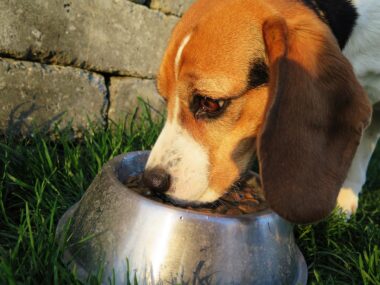
Feeding your dog on the go also means embracing the use of portable feeding bowls. These bowls enable you to serve fresh meals wherever you are, whether it’s a picnic, a rest area, or even at a campsite. Look for lightweight, collapsible bowls that are easy to store and clean. Carrying water is equally important to keep your pet hydrated throughout your journey. A portable water bottle designed for dogs can make it easy to provide fresh water whenever necessary. Fill these bottles with fresh water regularly, especially when you’re on long trips. When choosing travel food options, remember to consider your dog’s preferences as well. A familiar food can help reduce stress during travel. Bring some of their favorite treats for quick rewards, especially during long road trips. Treats are a great way to keep their spirits high, making stops fun and rewarding. On top of that, monitoring your dog’s weight and eating habits during trips can also provide insights into their needs. Keeping track of how they adapt to different foods and schedules is crucial for a healthy travel experience.
Feeding Schedule on the Road
Maintaining your pet’s regular feeding schedule while traveling is paramount. Quick changes in their meal timings can be stressful for dogs. As much as possible, align feeding times with their usual routine. Customers appreciate the consistency of a schedule that keeps their pets settled. Feed your dog when you have enough time to spend with them, rather than during hectic moments on the road. A calm environment will ease meal times, fostering a sense of normalcy even on the go. Dogs thrive on stability, so try to recreate their usual dining spot at rest stops. This routine can evoke positive feelings associated with mealtime. Moreover, take care when introducing new foods or treats during travel. Sudden dietary changes can result in stomach upset or food refusal. If necessary, choose travel-friendly foods that minimally disrupt their regular diet. Always be cautious about portions during travel as well. Given their activity levels may fluctuate, controlling how much you feed can prevent weight gain or digestive issues on the road. Ultimately, your dog’s well-being should be your priority while ensuring they receive their nutrition consistently and effectively.
When traveling, it is important to be vigilant about food safety. Inspect food packages for damage or signs of spoilage regularly. If your dog’s food has an off smell or a change in texture, it’s best to err on the side of caution and discard it. Keeping a first-aid kit specific to pet care can be incredibly useful in case your dog encounters any issues related to food or digestion during the trip. Including activated charcoal can help in case of accidental ingestion of spoiled food. Familiarize yourself with emergency contacts and veterinary services along your travel route. Having quick access to health resources can alleviate concerns while traveling. Serving fresh food also extends to monitoring the temperature during hot days. Make sure stored food maintains a safe temperature to prevent spoilage. Checking in with your dog often, particularly after meals, can help you spot any adverse reactions. Always encourage hydration before, during, and after meals. With proper planning and preparation, your journey with your dog can be both enjoyable and safe. Taking these precautions for feeding and nutrition can ensure a delightful experience for both owner and pet.
Conclusion
To summarize, keeping your dog’s food fresh and safe on the road requires thorough planning and dedication to their well-being. Start with proper food storage, regular feeding schedules, and nutritious meals, whether packaged or homemade. Always remember to pack travel-friendly utensils and options for hydration. The comfort of your furry companion hinges on nutrition, hydration, and maintaining a familiar routine while traveling. Encourage breaks for exercise and potty time, integral to a successful trip. Keeping a watchful eye on your dog’s condition and adjusting feeding schedules ensures their happiness and health. Preparation is your best friend when traveling; it helps mitigate risks and boosts enjoyment throughout the journey. Don’t forget to maintain nutrition logs or checklists to track what food items you are using, ensuring nothing is left behind. Confidence builds with experience; every trip can enhance your understanding of what your dog needs while on the go. Through these insights, you and your precious pet will create lasting memories on every adventure together. Happy travels with your four-legged companion as you embark on exciting journeys around the world.
Incorporating all of these elements into your travel routine solidifies a successful approach to feeding and caring for your dog while on the go. The goal is to adapt to the nomadic lifestyle without sacrificing your furry friend’s overall health and happiness. As any pet owner knows, a well-fed dog is a happy dog! So take the time to plan ahead, store wisely, and ensure that your dog enjoys positive travel experiences. Safe travels!