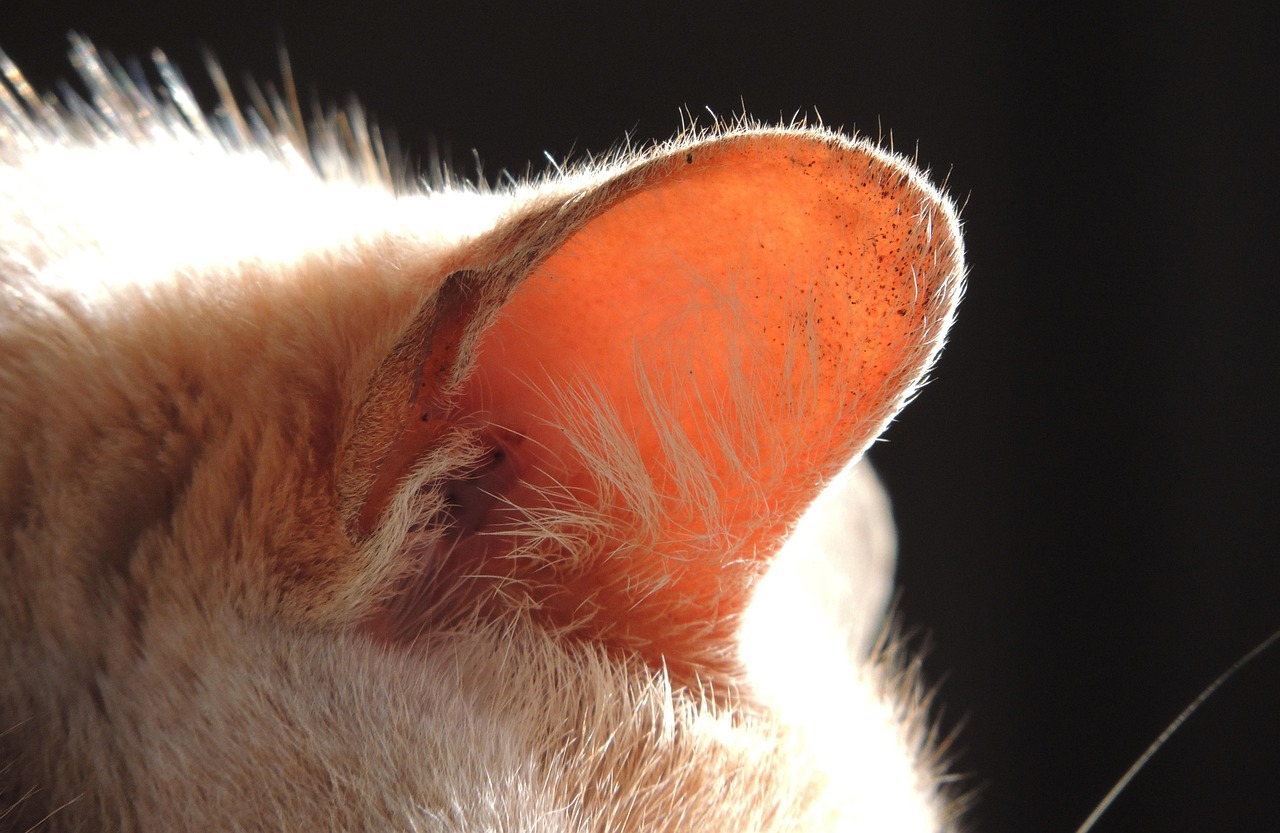

Natural Remedies for Ear Mites in Cats
Ear mites and ear infections in cats can be a troublesome issue for pet owners. It is vital to understand these conditions fully and seek effective solutions. Natural remedies have gained popularity for managing ear mites due to their non-toxic nature. Essential oils, such as neem or lavender, are known for their antibacterial and antifungal properties. Diluting these oils in a carrier can offer soothing effects to your cat’s ears and help eliminate irritants. Regular cleaning is also essential in preventing these pests. Using a solution of apple cider vinegar diluted with water can help maintain ear hygiene. Apply these natural solutions carefully, ensuring not to injure the cat’s ear. A vet visit is advisable if you suspect an infestation, as they can provide tailored advice. Prevention is better than cure; maintaining a clean environment reduces the likelihood of infestations. Regular grooming can help spot any issues before they blossom into more serious problems, ensuring your feline friend remains healthy and happy. Lastly, consult with a veterinarian before trying any home remedies, especially those involving essential oils. Their guidance can help ensure safety for your beloved pet.
Recognizing Symptoms of Ear Mites
Identifying ear mites requires keen observation of your cat’s behavior and physical condition. Symptoms include persistent scratching at the ears, shaking of the head, and unusual ear discharge. The ear discharge may appear dark, similar to coffee grounds, indicating the presence of mites. Inflammation and redness in the ear canal can result from scratching, leading to secondary infections. Affected cats might also display signs of discomfort or pain, often attempting to avoid having their ears touched. Regular check-ups allow for earlier detection of these anomalies, facilitating quicker treatment. Monitoring your cat’s overall health is crucial, as ear mites can cause anxiety and stress. Be proactive and inspect your cat’s ears weekly, looking for any irregularities that suggest a potential problem. Cleaning the ears periodically not only keeps them healthy but also allows you to spot concerns early on. If you notice persistent symptoms despite cleaning, consulting a veterinarian can help rule out other conditions, such as ear infections that display similar symptoms. Treatment with natural remedies should commence as soon as symptoms are detected to alleviate suffering and restore your pet’s ear health promptly.
Various natural remedies can be beneficial for treating ear mites in cats, and understanding their application is crucial. One popular method is to use a mixture of mineral oil and essential oils, which acts as a natural insecticide. This mixture can smother the mites, making them easier to remove. When applying any remedy, ensure that the mixture is suitable for cats, as some essential oils can be harmful. Gently massage the mixture into the affected ear to increase its effectiveness. Herbal infusions, such as chamomile or calendula, can provide soothing relief while reducing inflammation in the ear canal. These not only help relieve discomfort but also promote healing. Remember that patience is key when using natural remedies; results may take time. Additionally, consistency in treatment should not be overlooked. Follow a regular schedule for administering the remedies to maximize their benefits. Finally, consider incorporating a nutritious diet rich in omega-3 fatty acids to bolster your cat’s immune system and enhance overall ear health. A well-functioning immune system can help your cat combat ear mites more effectively over time, showcasing the importance of a holistic approach to health.
Cleansing and Maintenance
Proper ear cleaning is essential for preventing ear mites and infections in cats. Create a regular routine to ensure ear cleanliness. Wet a cotton ball with a mild solution, such as saline, and gently clean the outer parts of the ear. Avoid inserting anything deep into the ear canal, which may cause injury or push debris further inside. Conduct regular ear checks to gauge their health; early detection leads to quicker intervention if issues arise. Frequent inspection also allows you to monitor the success of treatment methods. When cleaning ears, you may use vinegar solutions to help restore proper Ph balance and deter the growth of mites. A simple method involves mixing equal parts of distilled water and apple cider vinegar. Use the cotton ball to apply this mixture gently, ensuring not to saturate the ear. After treatment, it’s vital to dry the ear thoroughly to avoid dampness, which attracts more pests. Some cats may resist ear cleaning, so be patient and use this as a positive bonding opportunity. Ensuring your cat remains calm and relaxed will enhance the effectiveness of any cleaning routine.
Comparing natural remedies for ear mites can help you select the best solution for your cat. Commercial products might provide immediate relief, but many pet owners prefer natural alternatives for various reasons. Essential oils are a popular choice due to their ease of use and accessibility. Commonly used oils include tea tree oil, known for its antiseptic properties, and coconut oil, which can soothe inflamed skin. Each oil should be diluted appropriately before topical application. Another option is using herbal formulations or smelly traps to eliminate ear mites without chemicals. Essential oils work in conjunction with vinegar solution cleaners to treat and maintain ear health. Also, remember that each cat is unique; what works for one may not be effective for another. Monitoring your cat’s reaction to any treatment is essential to ensure their safety and comfort. The key is to choose natural products that are cat-safe. Always consult with your veterinarian when deciding to use essential oils to confirm they are suitable for your cat. Maintaining a dialogue about treatment effectiveness will yield the best results, ensuring your cat remains comfortable amidst the battle against ear mites.
Additional Tips for Prevention
Preventing ear mites involves a combination of hygiene practices and environmental care. Ensure your cat’s environment is clean and free of potential pest infestation sources. Regularly wash your cat’s bedding and vacuum their living area to eliminate any lurking mites. Avoid contact between your cat and other pets that might be infested to reduce transmission risks. Additionally, a balanced diet significantly contributes to your feline’s immunity. Proper nutrition strengthens their ability to fight off infections. After veterinary treatments, continue monitoring your cat’s ears for any returning signs, addressing them promptly. Lifestyle adjustments made towards healthier living can also play a vital role in prevention. Minimize exposure to outdoor environments that may harbor pests. Keeping your cat indoors reduces the risk of contracting mites from other animals. Regular visits to the vet, even when no noticeable symptoms arise, act as an early detection method. It’s advisable to maintain a health log detailing treatment methods and outcomes. Documenting what works best will assist you in fine-tuning your approach, ensuring you create a safe and comfortable living situation for your beloved feline.
In conclusion, managing ear mites with natural remedies can be successful and beneficial for your cat’s overall health. Understanding the symptoms and prevention strategies assists you in identifying potential issues fast. Establishing a routine of observation, cleaning, and treatment will significantly reduce the likelihood of severe infestations. Pairing home remedies with good hygiene practices fosters a safer environment for your pet. Use essential oils or vinegar solutions carefully as part of your strategy. Each method should be approached with care; consult your veterinarian whenever uncertain. They can provide the best advice tailored to your cat’s health needs. Encourage positive experiences during treatment to build trust with your cat. As you embark on maintaining your pet’s ear health, create a checklist of effective remedies and preventive measures. Reflect on improvements, and reinforce practices that promote well-being. As natural solutions tend to be more gentle, you may find your feline friend responds better over time. By implementing these strategies, you can ensure your cat enjoys healthy ears and alleviates discomfort associated with ear mites. Ultimately, your vigilance combined with the right tactics will lead to a happy and healthy home for your pet.