
Innovative Therapy Dog Training Tools and Equipment
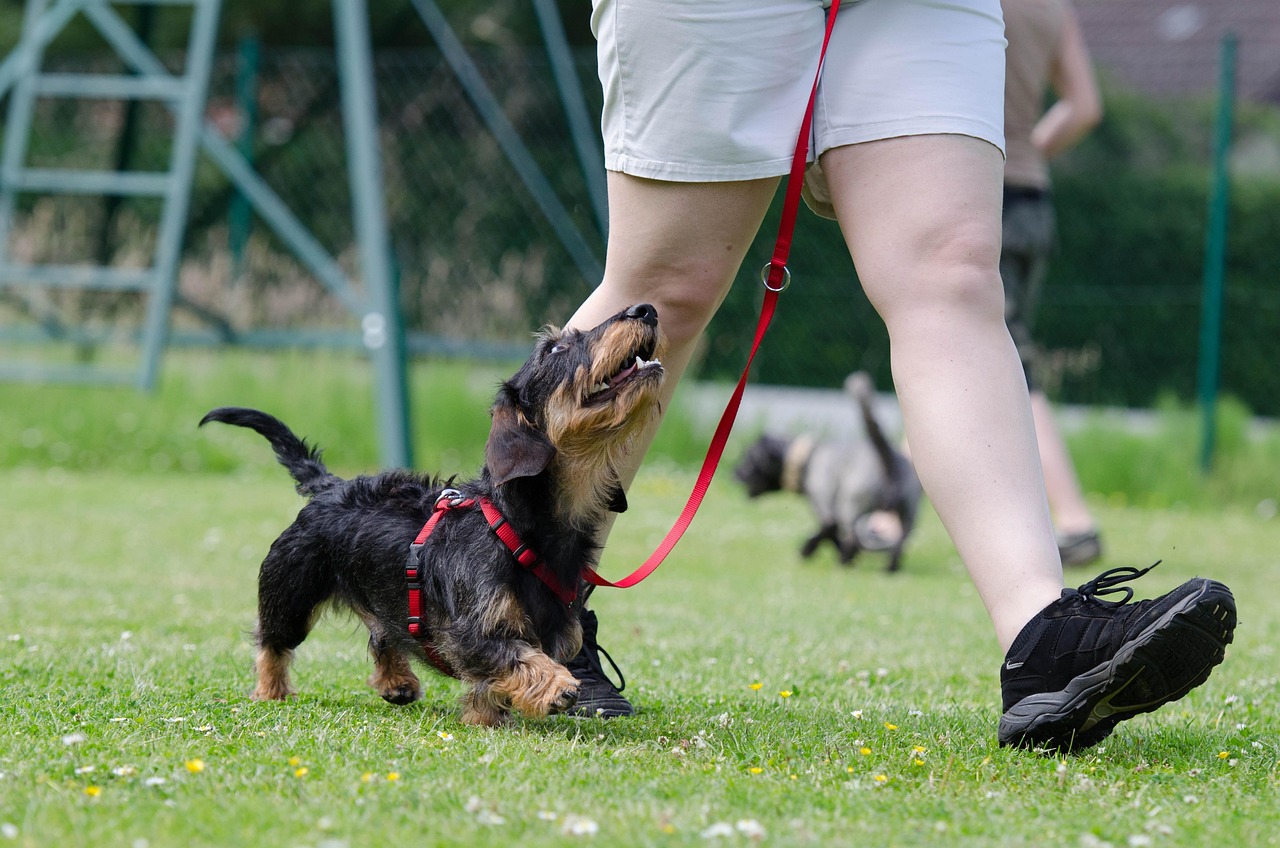
Therapy dog training requires specific tools and equipment geared toward ensuring effective and enriching training sessions. A well-chosen collar and leash are crucial components of this training. While traditional collars serve their purpose, padded collars can greatly enhance the dog’s comfort during training. Additionally, a sturdy leash provides better control while allowing the handler to maintain a close bond with the dog. In addition to collars and leashes, utilizing various training aids can help shape behaviors. Training clickers are popular tools that function as positive reinforcement devices, enabling trainers to communicate effectively with their dogs. Another helpful tool is treat-dispensing toys, which promote play while rewarding desired behaviors. Incorporating these devices into training sessions creates a fun and engaging environment for therapy dogs. Furthermore, using visual aids, such as charts or posters, can reinforce commands and improve understanding. Trainers can keep sessions organized and focused by utilizing a training mat that defines the dog’s workspace. Finally, portable water bowls and first aid kits ensure that therapy dogs remain hydrated and healthy during training. Thus, an array of tools enhances the therapy dog training experience for both trainers and canine companions alike.
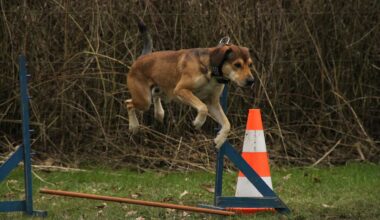
The importance of selecting appropriate training equipment cannot be understated, especially when considering the benefits it brings to therapy dog training. For example, specially designed harnesses can promote better posture and body mechanics, which are essential for dogs engaged in therapeutic activities. The right harness allows trainers to guide the dog comfortably, enhancing their learning experience and physical well-being. Training equipment, such as agility jumps or tunnels, can also be incorporated to make training sessions more dynamic. These elements provide mental stimulation while also reinforcing physical skills. In addition to traditional equipment, technology can play a role in therapy dog training. For instance, interactive apps and devices can track a dog’s progress and help maintain training schedules. Accessible technology enhances communication between dogs and their trainers. Another innovative tool is the use of wearable GPS trackers that not only ensure the dog’s safety during training but also monitor activity levels. Beyond performance tracking, these devices can alert trainers to any concerning behavior changes. In summary, the use of specialized training tools enhances the effectiveness of therapy dog training programs, providing a diversified training regimen that ultimately benefits both dogs and handlers.
Positive Reinforcement Techniques
Incorporating positive reinforcement techniques into therapy dog training is vital for achieving long-term success. Tools such as treat pouches simplify the reward process, allowing trainers to quickly and conveniently reward desired behaviors. This immediate recognition motivates dogs to perform tasks correctly. Additionally, verbal praise and affirmative cues are essential components of positive reinforcement. Trainers should carry a repertoire of encouraging phrases and varied tones to communicate effectively with their canine companions. Employing various treats can influence training outcomes, particularly when dogs have preferences. Consequently, trainers need to know their dogs’ likes and dislikes to optimize engagement. Furthermore, using high-value treats for challenging commands versus routine behaviors can enhance motivation significantly. Another essential aspect of positive reinforcement is appealing to the dog’s instincts and desires. By integrating toys or games into reward systems, trainers can create a more stimulating environment. For example, incorporating fetch or tug-of-war into the training enhances engagement and reinforces positive behavior. Through experimentation with rewards, trainer-dog interactions can foster a trusting relationship necessary for successful training, ultimately resulting in well-behaved therapy dogs that excel in their support roles within communities.
While tools for training are important, the environment in which therapy dog training occurs also significantly influences outcomes. Creating a conducive training atmosphere empowers dogs to learn effectively. Comfortable spaces, free from distractions, can enhance focus and build confidence. Implementing elements like soothing music or calming scents can further promote relaxation. Combining these sensory cues can help dogs feel more at ease during training sessions. Additionally, training in various environments exposes therapy dogs to different stimuli, preparing them for real-life scenarios. For instance, practicing in a therapy room versus a busy park allows trainers to simulate real-world challenges. Important consideration includes the sale of equipment that supports a calm atmosphere, such as specialized mats that provide comfort during training sessions. Ensuring that the area is well-ventilated and temperature-controlled helps maintain dogs’ comfort. Moreover, trainers should be mindful of the dog’s body language, recognizing when anxiety or discomfort occurs. Adjusting the training approach based on individual needs is paramount. Overall, the combination of using innovative tools with attention to a supportive environment establishes a framework for successful therapy dog training.
Building Trust Through Tools
Trust is a fundamental component in therapy dog training, and utilizing the right tools can help foster this bond. Gentle handling tools, such as specially designed training collars, are essential in building trust between trainers and dogs. These collars distribute pressure evenly, ensuring the dog’s comfort while restricting movement effectively. In addition to collars, trainers should consider the benefits of using positive reinforcement tools. For instance, treat containers with unique dispensing mechanisms can turn reward time into a fun and interactive experience. This approach encourages dogs to engage positively with their trainers and promotes overall trust. Furthermore, utilizing training dummies or plush toys can help create a playful atmosphere. Dogs are more likely to trust trainers if they associate sessions with enjoyable experiences. Adopting techniques that introduce new tools gradually allows dogs to acclimate comfortably, reducing anxiety associated with unfamiliar items. Trainers can enhance trust-building efforts by pairing equipment introduction with positive experiences. Ultimately, these tools serve as essential facilitators in forging strong bonds, leading to successful therapy dog outcomes and increased effectiveness in supporting individuals needing therapy.
A well-rounded therapy dog training program must consider the physical fitness of the dog, and various fitness tools can aid this aspect substantially. Engaging in exercises that maintain the dog’s health and stamina is crucial, as therapy dogs often work in demanding environments. For instance, using balance balls can enhance stability, promoting core strength while making training enjoyable. Additionally, incorporating hurdles and tunnels into training routines keeps dogs physically active while improving agility. Ensuring a balance between physical and mental stimulation leads to well-rounded training regimens, ultimately enhancing the dog’s performance. Another method trainers can employ is utilizing canine fitness apps, offering diverse exercises catered to individual needs. These digital platforms can track progress and suggest tailored exercises to ensure that fitness goals are met. Furthermore, establishinggroup training sessions can promote peer interaction among therapy dogs. Activities such as group walks or agility courses foster teamwork and relationship-building. By incorporating various physical fitness tools into the training regimen, trainers can create an effective program that ensures therapy dogs maintain good health while establishing stronger connections with their handlers and improving their overall skills.
Future of Therapy Dog Training Equipment
The future of therapy dog training equipment presents exciting prospects, with advancements in technology and understanding animal behavior paving the way for innovative tools. Wearable technology, such as smart collars with built-in sensors, can provide real-time feedback on vital signs and stress levels during training sessions. This data can be invaluable in tailoring training sessions to each dog’s unique needs. Moreover, interactive training devices that incorporate artificial intelligence can analyze performance and offer personalized training recommendations. Such tools can greatly enhance the efficacy of training programs. In addition to technology, sustainable practices are becoming crucial in equipment production. Manufacturers focusing on eco-friendly materials ensure that tools are not only effective but also safe for dogs and the environment. Furthermore, community involvement plays an essential role in shaping the future of therapy dog training. Collaboration between trainers, veterinarians, and behavioral specialists can lead to the development of comprehensive training programs that are adaptable and effective. As the understanding of therapy dog effectiveness continues to evolve, so too will the tools available for training. These innovations promise to create a dynamic and responsive approach to therapy dog training.
Overall, the journey of therapy dog training is continuously evolving, influenced by innovative tools and new approaches. By adopting advanced techniques and utilizing cutting-edge equipment, trainers can create enriching environments for therapy dogs, ensuring their success in various therapeutic contexts. This ongoing adaptation within therapy dog training fosters growth and reinforces the importance of the human-animal bond. As therapists and trainers work together to refine training methodologies, the resulting synergy will establish more effective therapy dog programs. Ultimately, these dogs play a vital role in enhancing the well-being of individuals in need, fostering emotional support and establishing communities filled with compassion. The commitment to advancing therapy dog training tools ultimately enriches the lives of both dogs and those they serve. In conclusion, effective therapy dog training requires a combination of effective equipment, positive reinforcement techniques, and a supportive training environment. Investing in innovative tools empowers trainers to develop therapy dogs that excel in their roles, ensuring the best outcomes for those they assist. By embracing ongoing innovations and collaborating with various professionals, a brighter future awaits therapy dog training across the globe.