
The Impact of Exercise on Dog Behavior Modification
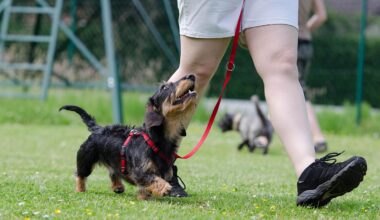
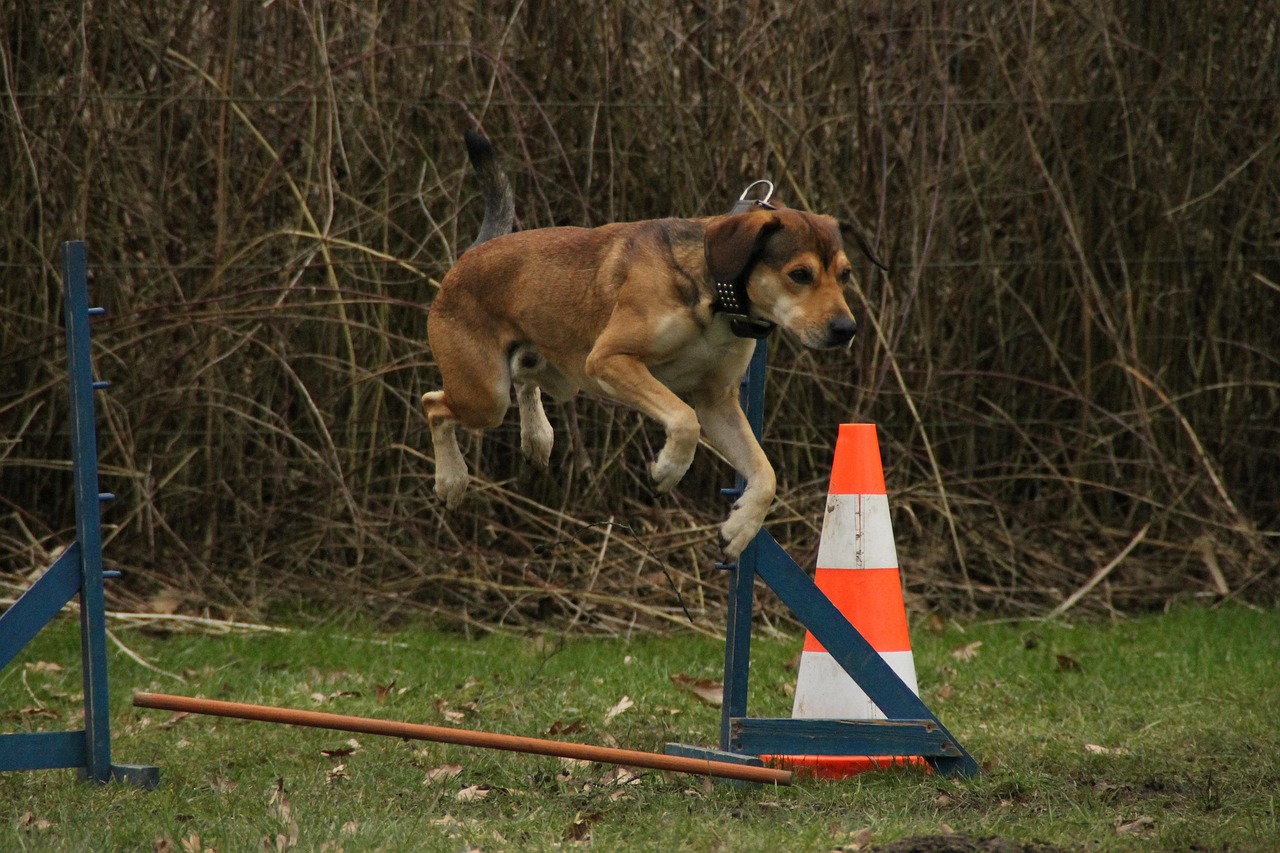
Exercise profoundly influences a dog’s behavior and overall well-being, playing a crucial role in behavioral modification strategies. Regular physical activity helps alleviate anxiety and stress in dogs, which can frequently lead to behavioral issues. Engaging in consistent exercise helps fulfill a dog’s instinctual needs, decreasing excessive energy that may manifest in unwanted behaviors, such as chewing or barking. By promoting physical health, exercise also aids in training, as a well-exercised dog is often more focused and receptive to commands. Establishing a routine that involves daily walks or playtime not only enforces a structured environment but also develops a deep bond between the owner and the dog. This constructive environment fosters learning and reduces behavior problems, enhancing the overall quality of life for both parties. Activities such as agility training, swimming, or even simple fetch games can be tailored to suit the dog’s preferences and capabilities. Therefore, incorporating exercise into behavioral modification strategies is essential for successful outcomes. Pet owners should take the initiative to prioritize exercise in their dog’s daily life for behavioral improvement.
Several types of exercises can significantly impact a dog’s behavior positively. Group classes or playdates are excellent options for socialization. These experiences help dogs learn appropriate behaviors and develop social skills while reducing aggressive tendencies. Identifying your dog’s specific needs can lead you to select suitable physical activities, improving their mental health and behavior overall. Activities like running or dog parks encourage interaction with other dogs, while toy games can maintain their focus and increase their attention span. Moreover, incorporating obedience training alongside exercise can enhance your dog’s discipline, enabling them to recognize commands in various environments. The teamwork developed through these sessions fosters trust and reduces anxiety in dogs, especially those predisposed to fear or aggression during stressful situations. Remember, each dog is unique, so tailoring activities to their energy levels and personality type is crucial. Consider age, breed, and fitness level when designing an exercise plan. This personalized approach ensures maximum benefit, leading to a more balanced and well-adjusted dog. Consistency in these activities is vital for long-term success and behavioral improvements.
Importance of Mental Stimulation
Alongside physical exercise, mental stimulation plays an equally important role in dog behavior modification. Dogs thrive on challenges that engage their intelligence and problem-solving abilities. Providing toys that stimulate cognitive engagement, like puzzle toys or treat-dispensing devices, can be an effective method for decreasing boredom-related behaviors. Activities such as obedience training and trick teaching not only serve physical exercise but also encourage mental agility. A mentally stimulated dog is often more calm and less prone to exhibiting problem behaviors like barking or digging. Engaging with your dog in various activities, like scent work or hide-and-seek, further enhances their mental health while promoting bonding. Dogs require a balanced lifestyle comprising both mental and physical exercise, ensuring their overall well-being. Consider incorporating a mix of both types when creating a behavioral modification strategy. Establishing a schedule that includes both physical activities and mental tasks can create a well-rounded routine. Always monitor your dog’s progress, adjusting tasks and games as necessary to keep them engaged. A flexible approach ensures that your dog’s needs are being met while promoting effective behavioral improvement.
Moreover, the environment in which exercise occurs can significantly affect behavioral modification. Allowing fluctuations in settings stimulates a dog’s curiosity and adaptability. Different locations can present various smells, sights, and sounds, enriching their experiences and providing avenues for socialization and learning. Enriching environments help prevent behavioral issues stemming from boredom or isolation. Frequent changes to exercise routines will keep a dog mentally engaged, offering new challenges that can promote better behavior. For example, exploring different walking routes or varying play areas can boost a dog’s excitement and willingness to participate in activities. Additionally, controlling the environment during exercise provides opportunities to expose the dog to new stimuli in a manageable way. Gradual exposure to distractions can help reduce fear responses and improve their ability to focus on commands. As a part of behavioral modification, the overall aim is to create a calming yet stimulating environment that positively shapes behavior. Ultimately, integrated strategies focusing on environment, physical exercise, and mental stimulation lead to successful outcomes in dog behavior management.
Key Strategies for Implementation
A successful approach to implementing exercise for behavioral modification involves well-defined strategies focusing on consistency and variety. First, establishing a structured routine caters to a dog’s need for predictability in their daily lives. Morning and evening walks, as well as regular play sessions, reinforce good habits and the understanding of expected behavior. Secondly, integrating a mix of activities ensures that both physical and mental aspects are addressed well. Different types of play, such as fetch, tug, or hide-and-seek, alongside obedience drills, stimulate a dog’s mental capabilities while also satisfying their physical needs. Furthermore, tracking their progress is essential for tailoring the approach based on effectiveness. Maintaining a journal of the activities and observing behavioral responses allows owners to analyze what works and what doesn’t. Lastly, creating a balance between structured activities and free play will enhance spontaneity in exercise. This balance nurtures adaptability in the dog, allowing for better behavior responses to various stimuli. Through structured implementation of diverse exercises, owners can work toward improving overall behavior in a sustainable, enjoyable manner.
In addition to exercise, reflecting on diet and nutrition is paramount in addressing behavior issues. A balanced diet directly influences a dog’s temperament, energy levels, and overall mental health. A surplus of energy due to improper nutrition can lead to hyperactivity or behavioral problems. Therefore, consulting with a veterinarian to establish an appropriate feeding plan correlating with exercise levels can yield significant positive outcomes. Certain diet types, such as those rich in Omega-3 fatty acids, have been shown to promote calmness and stability in dogs, further aiding in behavior modification efforts. Another key aspect is hydration, as proper fluid intake can significantly affect a dog’s mood and energy levels. It’s crucial to provide fresh water before and after exercise sessions to ensure optimal health. Additionally, supplements may be beneficial for certain behavioral issues, but caution should be exercised when introducing them. Understanding how nutrition impacts behavior is vital, as it creates a solid foundation for behavior modification strategies. Keeping dietary considerations aligned with exercise will ultimately contribute to a healthier, more balanced dog.
Conclusion: The Holistic Approach
In conclusion, a holistic approach focusing on physical exercise, mental stimulation, and proper nutrition establishes a strong foundation for effective dog behavior modification. Engaging dogs in regular physical activities promotes physical health while providing essential mental challenges that stimulate their brain. Involving every aspect of a dog’s well-being ensures a comprehensive strategy that addresses behavioral problems at their core. This integration cultivates better communication between owners and dogs, resulting in improved understanding and less stress. Tailored exercise plans catering to an individual dog’s needs enhance overall well-being and decrease behavioral issues. A committed owner willing to implement both structured and spontaneous activities may witness a significant transformation in their dog’s behavior. Consistency builds trust and rapport, fostering an environment where both dog and owner can thrive. Additionally, making benefits accessible, such as community events or regular classes, enriches this journey. Exercising patience and understanding during the behavioral modification process is essential as improvements may require time. Ultimately, a well-rounded approach to exercise, mental engagement, and nutrition can substantively enhance dog behavior, fostering harmony in the pet-owner relationship.
Ultimately, these strategies work collectively to promote a healthier, happier dog. Acknowledging the role of exercise in behavioral modification can transform negative behaviors into positive interactions, significantly improving the quality of life for both dogs and their owners. It creates a space where understanding and communication flourish, resulting in a fulfilling partnership. By observing the behavior changes and adapting strategies gracefully, the journey of modifying behavior can become an enriching experience. Considering the owner’s involvement in the process, it is paramount to stay committed and proactive in addressing behavioral issues that arise. Every dog has the potential to learn and thrive with the right guidance and environment. Engaging in exercise not only fosters physical health benefits but also plays a crucial role in addressing mental aggression, anxiety, and stress in dogs. Prioritizing an exercise and behavioral strategy will lead to success over time. As with any aspect of dog ownership, consistency in practice, adjustments, and time spent interacting with the dog will yield the best results. This ongoing journey of care, effort, and mutual growth will ultimately result in a dog exhibiting excellent behavior and relationship with its owner.