
Building Patience and Focus in Your Therapy Dog
Therapy dog training is essential to develop the right skills for supporting others. One crucial element in this training is building patience and focus. Dogs that can stay calm and attentive are far more effective in their roles. To achieve this, trainers can use various techniques tailored to individual dog’s personalities. Consistency in training sessions is key; always set clear expectations during each interaction. Engaging your dog in short, focused exercises can greatly enhance their ability to concentrate for extended periods. Remember to celebrate small victories to boost their confidence and willingness to learn. Positive reinforcement, such as treats and praise, can create stronger bonds while encouraging dogs to exhibit desirable behaviors. Owners should also maintain their own patience during training. Dogs often respond to the emotional cues of their trainers, so being calm and collected can foster a better learning environment. Additionally, slow, deliberate movements during training help to reinforce desirable behaviors by creating a predictable routine. Over time, your therapy dog will learn to stay focused on tasks, leading to more successful and rewarding interactions.
Building patience in therapy dogs can be a gradual process that requires dedication. It is important to incorporate break periods during training to prevent fatigue and frustration. Alternating between intensive training sessions and periods of play can help maintain your dog’s motivation and engagement. Adding distractions to the training environment can further their ability to remain concentrated. Gradually increasing difficulty in tasks can also encourage perseverance amidst challenges. Practicing different exercises will keep your dog mentally stimulated and help them develop focus amidst varying stimuli. Another effective method for enhancing patience is the use of the “leave it” command. Teaching your dog to resist temptation until they receive a release cue establishes trust between owner and pet. Quality training tools, such as clickers, can mark appropriate behaviors and help solidify happiness in achievement. Routine is vital with therapy dogs. A consistent training schedule will make it easier for the dog to anticipate activities, leading to improved focus. Make use of environments outside of the home, like parks or therapy centers, to reinforce their training. Frequent socialization can result in breakthroughs regarding patience and concentration.
Engaging Exercises for Focus and Patience
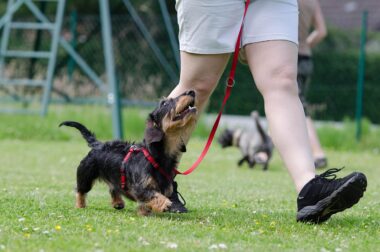
Diverse training exercises specifically aim to improve focus and patience among therapy dogs. One approach is to engage them with engaging puzzle toys or scent games that require thoughtful problem-solving. These activities not only hone their focus but also serve as excellent channels for mental stimulation. Another approach involves simple commands that necessitate longer wait times, such as mastering the “stay” command. Start with short durations and gradually increase them while rewarding your dog for remaining calm. Training sessions in various settings can also enhance focus; different smells, sounds, and sights demand heightened awareness. It may be beneficial to employ a leash to facilitate control during outings, ensuring safety while honing their listening skills. Incorporating obedience training into daily routines can create a strong foundation for patience and focus. Practicing commands like “watch me” develops mutual focus between the dog and handler. Aim for a balance of fun and serious tasks to maintain interest. Keeping sessions short but engaging is pivotal to maintaining enthusiasm while reinforcing core skills. Observing how your dog responds can indicate when they are ready for more advanced challenges.
Positive reinforcement during therapy dog training strengthens the bond between owner and dog. Encouraging your dog with a rewards system can significantly nurture their willingness to engage. Dog owners should remain observant of their pets’ moods, ensuring the training remains enjoyable. Remember that patience and focus take time to develop; progress may be slow, but consistency yields results. Always ensure the training environment is free from excessive noise or distractions, as these could hinder concentration. Leashing or confining roaming spaces can aid in controlling distractions initially. When distractions are introduced, it’s vital to reward attentiveness, reinforcing the idea that remaining focused is admirable. Engage in active play before training sessions to release pent-up energy. When dogs are calmer, they can focus on the tasks at hand. Practicing core commands in various locations can enhance adaptability in different circumstances. Group training classes encourage dogs to work amidst distractions, fostering patience. Social interactions promote a conducive learning environment for therapy dogs, enhancing their capabilities during therapy sessions. Throughout this process, patience and understanding from both trainer and dog lead to a rewarding experience.
The Role of Socialization in Therapy Dog Training
Socialization plays a vital role in therapy dog training, as it helps foster patience and adaptability. Exposing your dog to diverse people, environments, and situations aids learning by promoting confidence. Interaction with various individuals prepares them to handle different emotional responses positively. Gradually introducing new experiences allows the dog to remain calm amidst potential stressors. Social scenes like parks, retail environments, or community gatherings present excellent opportunities for developing focus during distractions. During these experiences, trainers should observe their dog to understand comfort levels, gradually prompting them to engage with new sources of stimulation. Praise and treats during these social interactions can reinforce desired behaviors. Attending local dog training or therapy meets can provide valuable exposure and learning opportunities, meeting other therapy dogs to observe their interaction skills. As your dog builds a solid foundation in these social settings, they will exhibit increased patience, enhancing their effectiveness as therapy animals. Consistency and commitment from the owner are essential for optimum results during socialization. Ultimately, dogs that are well-socialized can remain calm and focused, providing immense support to those they serve in therapeutic settings.
Understanding how to assess your therapy dog’s progress is essential for successful training. Each dog learns at its own pace, so an individualized approach is necessary for development. Documenting achievements through a training journal can highlight areas of success and challenge, allowing tailored training solutions. Regular evaluations will indicate whether adjustments are necessary regarding techniques and exercise formats. Attention should focus on behaviors related to patience and distraction response. Seeking input from professional trainers can optimize learning. They can assist in recognizing behaviors requiring attention and provide strategies for improvement. Both the dog and handler will benefit from regular feedback. Establishing clear goals and ensuring they are realistic promotes positive training experiences. Celebrating milestones is vital for maintaining a positive atmosphere; provide rewards and encouragement during favorable outcomes. On challenging days, remember not to become frustrated. Focus on rebuilding motivation through brief, enjoyable activities. Identifying barriers that impede progress and seeking support where needed can drive continued progress. As dogs evolve through therapy training, their confidence will build, leading to stronger partnerships between the animal and its handler.
Conclusion: Nurturing a Patient and Focused Therapy Dog
Creating a focused and patient therapy dog requires a holistic approach, merging training techniques and emotional support. The foundation of strong communication, patience, and persistence can lead to significant improvements in your dog’s abilities. Therapy dogs serve as invaluable support companions, necessitating a calm demeanor. It’s essential to integrate training methods that prioritize engagement and enjoyment in your dog’s learning experience. Utilize diverse exercises while remaining flexible in adapting to individual needs. Each interaction offers an opportunity to reinforce bonds, promote focus, and instill patience. Caring for the emotional wellbeing of your dog while training ensures growth in their capabilities. Continuous social exposure, structured routines, and positive reinforcement create the environment essential for flourishing therapy dogs. Regular assessments will help identify strengths and areas needing refinement and support. Remember to be patient with both you and your dog during this intensive journey. As time passes, your therapy dog will rise to meet the objectives you’ve set, proving to be an incredible asset. Enabling them to excel, you pave the way for positive impacts in the lives of those they support.