
Post-Processing Techniques Tailored for Cat Photography
Mastering cat photography involves a series of post-processing techniques that elevate your images, particularly if you’re working with rescue organizations. It’s essential to create vivid visuals that showcase the unique personalities of these felines, enhancing their chances of adoption. Post-processing begins with thoughtful image selection, where the most captivating shots, displaying the true essence of each cat, are filtered. Utilize software such as Adobe Lightroom or Photoshop for adjustments to exposure, brightness, and contrast. This ensures the cats look their best, with fur details sharp and visible. Consider cropping to focus on the cat’s face, establishing a stronger connection with potential adopters. The right composition can evoke emotion, pulling viewers into the story behind each rescue. Apply noise reduction techniques to ensure the images are clean and professional. Also, remember to correct colors for accurate depiction of the cats. When applying these techniques, always keep the cat’s natural beauty intact, allowing for a realistic yet striking presentation of the images. This commitment to quality will significantly help rescue organizations in their mission to find loving homes for these beautiful creatures.
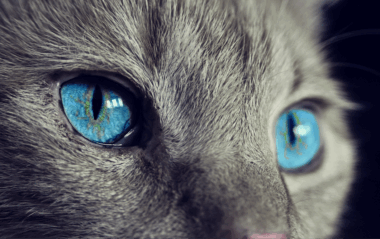
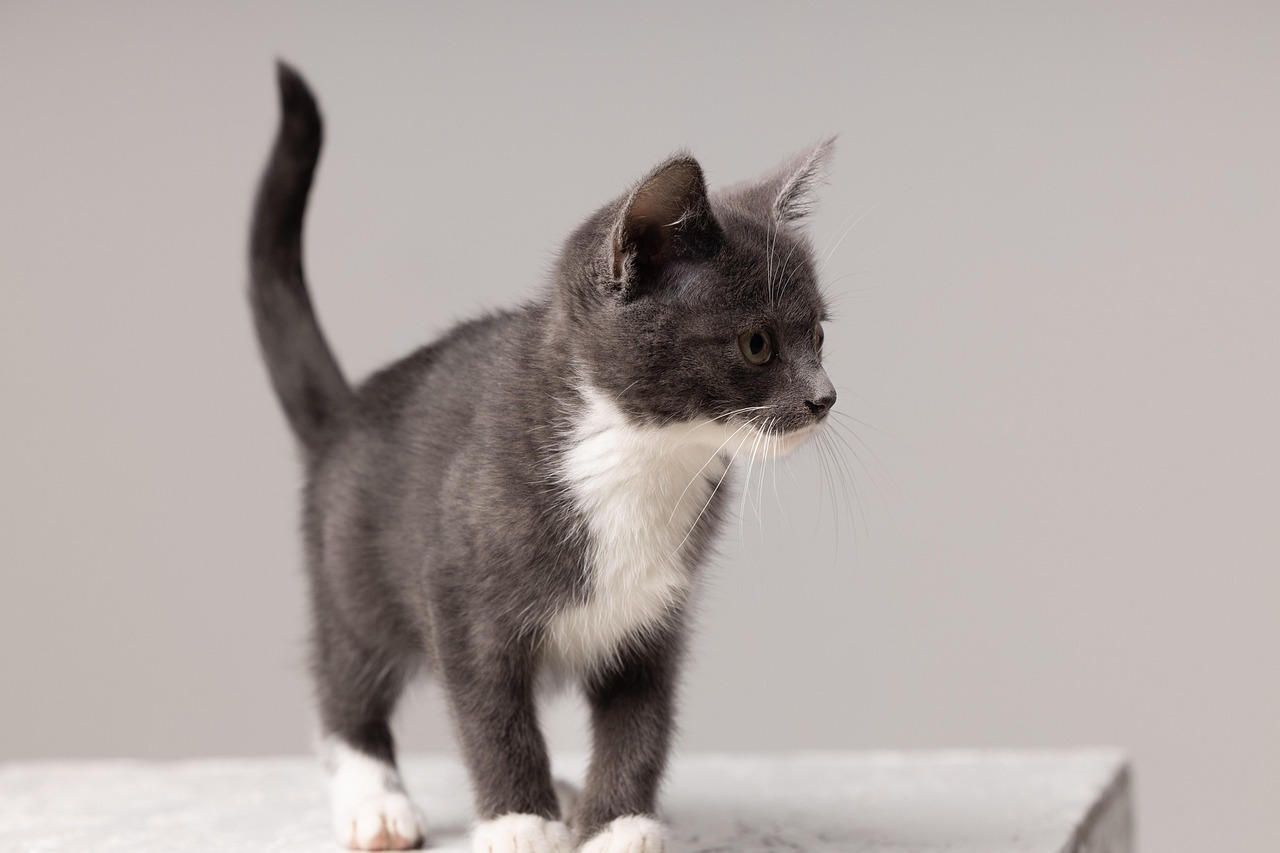
In addition to adjusting exposure and color, adding warmth to images can enhance appeal. This soft glow draws attention to the cat’s fur and eyes, inviting viewers to explore their personalities. Using tools in Lightroom, like the temperature slider, provides adjusting capabilities to give photos a sunny feel. Moreover, sharpening plays a critical role in making the subject — in this case, the cat — pop. Attaching a subtle sharpening effect ensures that the details of the whiskers and fur are crisp without introducing unwanted noise. Techniques such as vignette can frame the cat within the image, directing the viewer’s focus toward the subject. Furthermore, consider creating an engaging background blur, which emphasizes the cats and minimizes distractions. By employing these techniques, you can transform a simple image into a professional photograph that captures hearts. In doing so, these visual stories contribute significantly to the success of rescue organizations, enabling them to share captivating tales of recovery and hope. Each photograph becomes a powerful narrative tool, connecting animal lovers with the deserving cats waiting for forever homes.
The Importance of Emotional Connection
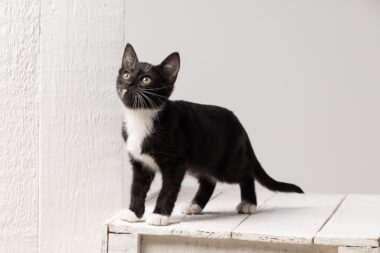
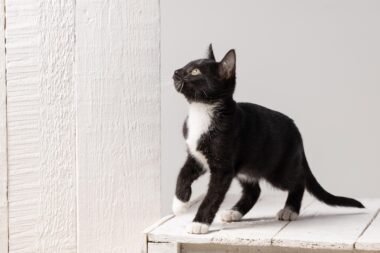
Creating an emotional connection through photography is pivotal for cat rescue organizations. When people see photographs that touch their hearts, they are more inclined to take action, whether adopting or fostering. This begins with understanding the cat’s unique personality during the shoot. Observing their quirks, playful stances, or affectionate behaviors allows for capturing candid moments that resonate with viewers. These nuances help tell the stories of these loving creatures seeking homes. It’s vital to employ post-processing techniques that maintain authenticity while evoking compassion. A well-edited image, free from distracting elements, can allow potential adopters to envision their lives alongside these rescue cats. Use these moments to highlight not just the cats’ visual appeal but their spirit and charm. Social media platforms serve as a powerful conduit for showcasing these emotional stories. The soft filtering of images alongside engaging captions creates a compelling narrative, igniting interest. Rescue organizations can utilize a consistent visual theme showcasing these profound connections, reinforcing their mission and ultimately encouraging adoptions through heartfelt storytelling.
Additionally, it’s crucial to maintain the integrity of these cats during editing. While it’s tempting to overly enhance images or apply heavy filters, authenticity should always come first. Over-editing can mislead potential adopters and break trust. Instead, aim for a balance that honors the cat’s real appearance and still intrigues the viewer. Techniques like subtle color matching and consistency in editing style across an organization’s images help build a recognizable brand. This visual consistency reinforces credibility and provides a professional touch to their mission. Moreover, developing a specific editing style can differentiate one rescue organization from another, creating a unique showcasing experience. This invites audiences to engage not only with individual photographs but also with the organization itself, fostering a sense of connection. It makes them more likely to take part in fundraising, volunteering, or spreading the word about available cats in need of homes. The outcomes of these thoughtful editing practices can be transformative for the cats’ futures, resulting in successful adoptions through compelling storytelling.
Sharing Post-Processed Images Effectively
After perfecting your cat photographs through post-processing, the next step is sharing these images effectively. High-quality photographs should be uploaded across various platforms, including social media, websites, and newsletters. Each platform has unique strengths; for example, Instagram thrives on visual storytelling and engagement. Posting captivating images along with heartwarming stories can evoke strong emotional responses, encouraging users to share them. When sharing images on Facebook, creating events or campaigns around adoption days can further amplify visibility. Ensure pictures are optimized; large, high-resolution images can slow loading times. Compressing images while maintaining quality allows for better user experiences, encouraging more viewers to explore. It’s also effective to link these images to adoption profiles or the organization’s website, facilitating immediate action from interested individuals. Email marketing campaigns are another excellent medium for reaching potential adopters; incorporating images with personal stories sends a powerful message, promoting connection. Each post shared not only serves to highlight each cat’s charm, but it functions as a call to action for individuals to contribute to the rescue’s cause, ultimately saving lives.
Don’t underestimate the power of collaboration by tagging sponsors, partners, or other rescue organizations in posts. This network can amplify the reach of your images, allowing for broader exposure. Collaborative efforts create opportunities for joint campaigns that educate the public. Assisted by professional photographers can increase image quality through workshops or events, which doubles as a means to network with volunteers and potential adopters. Besides social media, consider the importance of community outreach. Hosting adoption events with stands might enable sharing post-processed photos of cats on banners and posters. This physical presence in the community amplifies visibility, showcasing these cats in prominent locations often frequented by potential adopters. Furthermore, feedback from followers about which images resonate most can inform future photographic endeavors. Through analysis of likes, comments, and shares, the organization can adjust its strategies to attract more adopters. Making a part of the post-processing journey interactive can build a supportive community, furthering the rescue organization’s reach and impact.
Conclusion and Future Directions
In conclusion, mastering post-processing techniques is essential for cat photography, especially for rescue organizations aiming to find loving homes for cats. The delicate balance between post-processing and authenticity plays a pivotal role in how these images are perceived. Compression, color correction, sharpening, and cropping are critical skills that enhance aesthetics without compromising truthfulness. These refined images become tools for storytelling and connection. As technology advances, so does the ability to utilize innovative editing software, offering new ways to enhance emotional appeal. Future techniques could explore emerging trends such as video or gif presentations, capturing cats’ unique behaviors in motion. Filming small rescue stories can complement photographs effectively, providing comprehensive views into their lives. Additionally, adopting AR technologies might engage viewers in novel ways, allowing them to virtually interact with cats before adoption. Adapting to changing trends can keep organizations relevant and attract more support. Ultimately, the goal is not just to photograph cats beautifully but to create lasting impacts, uniting passionate individuals and families with their destined companions through the love of cats.
Post-processing can change the way images impact potential adopters, making it a vital aspect of cat photography for rescue organizations.