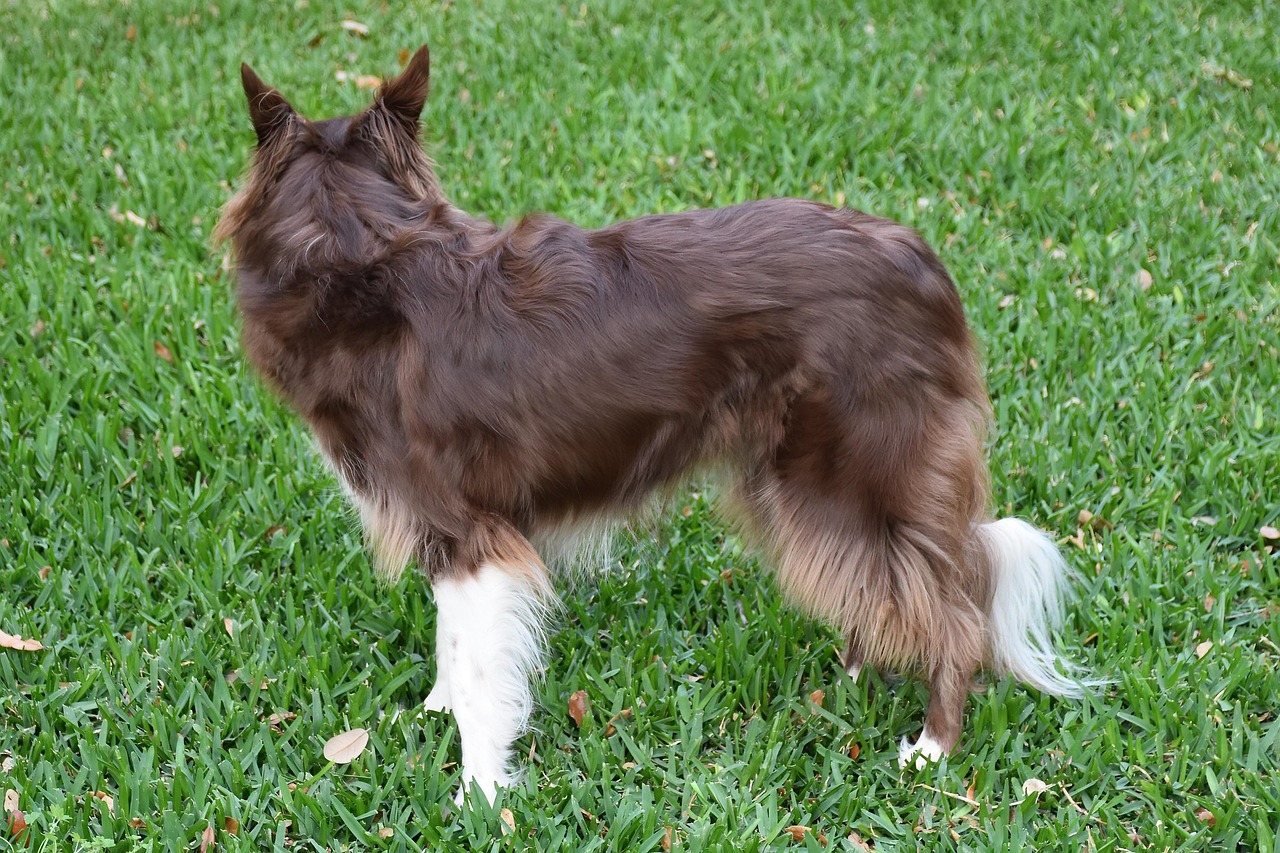

Top Nutritional Tips to Enhance Your Dog’s Coat Quality
Your dog’s coat health is closely linked to their diet. A balanced diet rich in essential fatty acids, vitamins, and minerals can significantly enhance your dog’s fur quality. Incorporating high-quality protein sources, such as chicken or fish, ensures your dog receives necessary amino acids for hair production and health. Omega-3 and Omega-6 fatty acids are vital for maintaining a shiny coat. You can achieve this by adding fish oil or flaxseed oil to your dog’s meals. Additionally, it’s important to include fresh fruits and vegetables to provide antioxidants and nutrients. For example, carrots and blueberries are excellent for enhancing skin health. However, always consult your veterinarian before drastically changing your pet’s diet as they can help tailor the diet specific to your dog’s needs. Regularly feeding your dog a nutritious diet can prevent issues such as dryness, shedding, and dullness in their coats. Remember to keep your dog adequately hydrated too, as this plays a crucial role in skin and coat health. Overall, a well-rounded diet is fundamental for your dog’s overall well-being and coat vitality.
One effective way to improve your dog’s coat quality is through proper hydration. Water plays a crucial role in maintaining skin elasticity, reducing flakiness, and ensuring that nutrients are absorbed efficiently. Ideally, your dog should have access to clean, fresh water at all times. During hot weather or after exercise, hydration becomes even more critical. You may also consider adding water-rich foods to their diet, such as cucumbers or broths, to enhance moisture intake. Remember, some dogs may be resistant to drinking adequate water due to boredom with their bowl. Try changing their bowl to a pet fountain or a different design to encourage drinking. Regular vet check-ups will also help identify any underlying health issues that could be affecting hydration levels or coat quality. Ensure that their water intake is consistent daily; if you notice any significant changes in their drinking habits, consult your veterinarian. Besides hydration, ensure proper grooming techniques are in place. Regular brushing helps distribute natural oils throughout the coat, promoting shine and preventing matting.
Incorporating Supplements for Optimal Coat Health
Adding specific supplements to your dog’s diet can significantly boost their coat health and overall appearance. Products formulated with biotin, zinc, and essential fatty acids can work wonders for enhancing coat quality. Before introducing any supplements, it is best to consult your veterinarian to determine the right dosage and type specific to your dog’s needs. Omega-3 fatty acid supplements are particularly effective in improving skin conditions and providing a shiny, healthy coat. Furthermore, there are specific dog vitamins designed to enhance fur health that can replenish any deficiencies. If your dog suffers from allergies or skin irritations, your vet may recommend specific allergy-relief supplements or prescription diets. Probiotics are also beneficial, as they support gut health, which in turn enhances nutrient absorption and can lead to a healthier coat. Always monitor your pet after beginning any new supplement regime to catch any signs of adverse reactions or side effects early. Consistency is key, as noticeable improvements in coat quality may take time as the body adjusts to these nutritional additions.
The role of fatty acids cannot be overstated when it comes to coat nourishment. Dogs benefit greatly from Omega-3 and Omega-6 fatty acids, as these nutrients are essential for maintaining a healthy coat and skin. They help to reduce inflammation and keep the coat soft and shiny. Foods rich in these healthy fats include salmon, sardines, and certain plant oils such as sunflower and safflower oil. You can also look for specially formulated dog foods with these fatty acids included in their ingredients. It’s essential to ensure that your dog gets a proper balance of these fats, as a deficiency can lead to dryness and skin irritation. This can also result in excessive shedding and matting. Additionally, fatty acids support the production of natural oils in the skin, promoting moisture retention and improving coat texture. For added convenience, consider utilizing specialized supplements available in pet stores or online, as they can provide a quick and effective way to boost these important nutrients. Always monitor your dog’s condition, adjusting their dietary intake if their coat does not improve over time.
Choosing Quality Dog Food
Selecting the right dog food is crucial for maintaining optimal coat health. Understandably, many dog owners tend to opt for inexpensive options, but these often lack essential nutrients needed for a healthy coat. Choose high-quality dog food that lists meat as the primary ingredient and contains minimal fillers such as corn or soy. Look for brands with an emphasis on whole foods, including fruits and vegetables, to ensure your dog is getting a variety of nutrients. Reading labels carefully will help you determine if the food meets your dog’s specific dietary needs. It’s also helpful to seek out options that are tailored for your dog’s specific breed, age, and activity level. These specialized diets often consider the unique requirements of different dogs to promote optimal health. Transitioning gradually to a new food is essential to prevent digestive issues. A high-quality diet will not only result in a shiny coat but also promote overall health, energy, and vitality. Regularly consulting with your veterinarian can guide you in selecting the best food options available tailored to your dog.
Additional factors can significantly impact your dog’s coat quality beyond nutrition. Regular grooming practices such as brushing should not be overlooked, as they help remove dirt, debris, and loose fur, giving the coat a healthier appearance. Choose appropriate grooming tools based on your dog’s coat type—different fur textures and lengths require specific brushes or combs. Regular grooming sessions also promote good blood circulation, enhancing the overall health of the skin and coat. Bathing frequency is also important; overbathing can strip natural oils, leading to dry fur and skin. Stick to a regular bathing schedule using a gentle dog shampoo formulated to promote coat health. Furthermore, ensure that your dog’s living environment is clean and free of allergens to minimize skin irritations. Stress management is another aspect that affects coat health; allowing your dog sufficient mental and physical stimulation can prevent stress-related shedding. Remember to keep an eye on seasonal changes, as they might indicate extra grooming requirements when your dog is shedding less or more fur than usual throughout the year.
The Importance of Routine Vet Check-ups
Routine veterinary check-ups are essential for maintaining your dog’s overall health, which directly affects their coat quality. Regular visits allow your vet to assess any nutritional deficiencies, skin issues, or allergy concerns that could impair coat health. A veterinarian can also offer tailored advice on diet and supplements specific to your dog’s age, breed, and lifestyle. Pay attention to any signs of skin irritation or coat changes, as these can indicate underlying health problems. If your dog exhibits excessive shedding, dryness, or abnormal patches, it’s crucial to consult your veterinarian promptly. A vet visit enables early detection of potential health issues and better preventive care. Additionally, vaccinations and routine parasite control play crucial roles in keeping your dog healthy and thriving. Effective flea and tick treatments protect against external parasites that can affect skin conditions, leading to an unhealthy coat. Working closely with your veterinarian ensures a strong foundation for your dog’s health while enhancing the quality of their coat and overall well-being.
In conclusion, the quality of your dog’s coat is closely tied to the nutritional care they receive. Ensuring a well-balanced diet rich in vitamins, minerals, and healthy fats is crucial for maintaining a shiny, healthy coat. It is essential to include proper hydration and quality foods while considering supplements when necessary. Regular grooming, environmental cleanliness, and consistent veterinary care significantly impact both coat appearance and overall health. Always remain vigilant for any changes in your dog’s coat or skin, seeking advice from your veterinarian as needed. Use this comprehensive approach to nourish your dog’s coat adequately, ensuring they remain happy, healthy, and vibrant. By consistently implementing these nutritional tips, you can witness remarkable improvements in your dog’s coat quality over time while promoting overall happiness. Remember that each dog is unique, so tailor your approach based on their specific needs to achieve the best results. Ultimately, a partnership between proper nutrition, grooming, and veterinary consultation forms the foundation for excellent coat quality and your dog’s well-being.