
How Fleas and Ticks Affect Your Dog’s Health
Fleas and ticks are more than just a nuisance for our beloved dogs; they pose serious health risks. These tiny parasites can lead to numerous health issues, impacting your dog’s well-being significantly. It’s essential to understand how these pests affect the health of your dog, as prevention is always better than a cure. Infestations can cause continuous discomfort owing to itching and irritation. Moreover, these parasites can transmit various diseases, some of which can be severe and even life-threatening. Regular health checks during grooming can help keep your dog flea and tick-free. Treatments and preventive measures are crucial in maintaining a healthy and happy pet. Always consult your veterinarian for the best products and methods for your dog’s specific needs. For instance, topical treatments or oral medications might be recommended. Additionally, maintain cleanliness in your home and on your pet’s bedding to minimize the risk of infestation. Use flea and tick shampoos at least once a month. Keeping your dog’s environment clean is instrumental in the fight against these parasites, ensuring they remain comfortable and healthy. Taking proactive measures is vital.
Fleas are notorious carriers of several diseases, including tapeworms, which can lead to serious gastrointestinal issues in dogs. Your dog might exhibit signs such as vomiting, diarrhea, or even unexplained weight loss. Furthermore, fleas can cause allergic reactions, leading to flea dermatitis, characterized by intense itching and skin infections. If your dog is constantly scratching themselves, it may be time to check for fleas. Fleas reproduce rapidly, making it easy for an infestation to get out of control quickly. It is vital to monitor your dog for any fleas or flea dirt, which appears as tiny black specks on their coat. Additionally, fleas can also lead to anemia, especially in puppies or elderly dogs, due to blood loss. This condition requires immediate medical attention. Regularly checking your pet’s coat and ensuring a flea preventive regimen can keep your dog safe. Owners must also be vigilant and periodically check their yards for potential flea habitats. Ensure that grassy or bushy areas around your home are cleaned regularly. Consistently applying preventive treatments can help keep fleas at bay.
The Dangers of Ticks
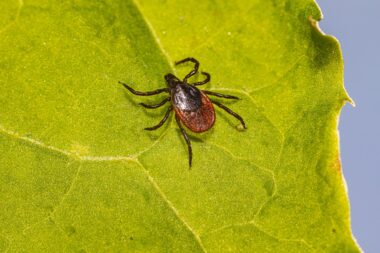
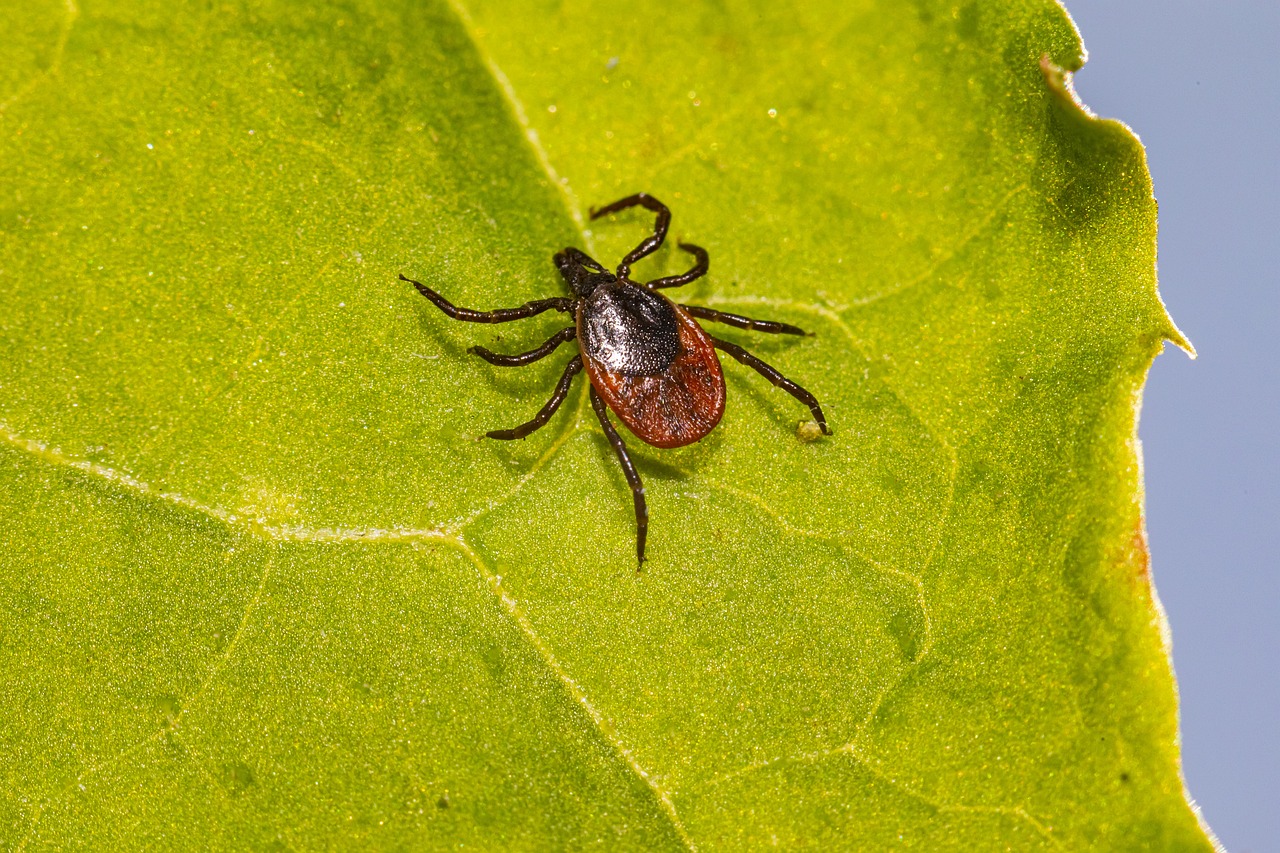
Ticks are equally dangerous as they can transmit severe illnesses like Lyme disease and Rocky Mountain spotted fever. These diseases can lead to significant health consequences for your dog. Ticks can latch onto your dog’s skin for days, feeding on their blood while potentially transmitting harmful bacteria. Noticing ticks can be challenging due to their small size, but regular checks after walks in wooded areas are critical. Look for ticks in your dog’s ears, armpits, and between their toes for a thorough inspection. A tick removal tool can be handy for safely removing a tick; never twist the tick, as this might leave parts embedded in the skin. Keeping your dog’s environment clean, along with maintaining short grass and removing debris, can help prevent tick infestations. If your dog starts showing signs like lethargy or joint pain after a tick bite, immediate veterinary attention is crucial. Regular vaccination against tick-borne diseases can provide an essential layer of protection. Always consult your vet for personalized advice. Follow their guidelines for choosing the right preventive measures to safeguard your furry friend.
Despite being challenging to remove, addressing flea and tick infestations promptly is essential for your dog’s health. Furthermore, flea control does not just benefit your pet; it benefits your family as well. These parasites can invade your home, leading to discomfort and additional health risks for humans. After an excursion in nature, be sure to conduct thorough checks on yourself and family members. Personal management practices include keeping your living space clean, vacuuming carpets and furniture frequently, and washing pet bedding regularly. Consider using flea and tick collars as a preventive measure, but always verify their safety with your veterinarian. Monitor your dog for any side effects or allergic reactions to treatments introduced. Safe, natural treatments, like diatomaceous earth, can be effective too. Fighting fleas and ticks must be a community effort, extending to both your pets and their environments. Consider treating your yard with pet-safe insecticides to deter tick habitats. A multi-faceted approach involving veterinary guidance, regular inspections, and environmental management goes a long way toward protecting your beloved companion.
Symptoms to Watch For
Recognizing the symptoms of flea and tick infestations can lead to quicker interventions and treatments. Common signs include excessive scratching, biting, or licking at the skin, which often indicates discomfort or irritation. Dogs may show signs of restlessness or anxiety due to the presence of fleas or ticks. If you notice your dog shaking its head frequently, this may signify an issue in the ears caused by these pests. Additionally, watch for changes in behavior or appetite, as these can indicate underlying health issues related to infestations. If you find fleas jumping or ticks attached to your dog, seek veterinary help immediately. The vet will diagnose the issue and suggest appropriate treatment plans tailored to your dog’s needs. Quick action can prevent more severe health consequences, so keep an eye out for any signs or behaviors out of the ordinary. Being proactive with your dog’s health care routine ensures a long, happy life free from these bothersome parasites. Regular communication with your veterinarian will also support your dog’s health in the long run.
When managing flea and tick infestations, consistency is key to prevention. Utilize a combination of methods to provide the best protection for your dog. Consider treatments such as topical medications, oral prescriptions, or collars that repel or kill fleas and ticks. Following your veterinarian’s recommended schedule for treatments helps maintain effectiveness. Flea and tick prevention becomes especially critical during warmer months since these parasites thrive during this time. Furthermore, outdoor activities might expose your dog to potential risks, increasing the importance of using preventive methods year-round. Testing different products may be necessary to see what works best for your dog’s specific needs. Ensuring their safety and comfort must always be the priority, aiming for treatments that offer efficacy without side effects. Regularly revisit your prevention protocols, and maximize your home and yard cleanliness. Partnering with your vet for ongoing insights will help tailor your plan based on emerging tick and flea threats. Remember that diligence in prevention ultimately protects your dog’s health and well-being from flea and tick infestations.
Emergency Care for Infestations
If your dog shows severe reactions to fleas or ticks, emergency care may be necessary. Symptoms such as swollen areas, fever, or difficulty breathing can signal an urgent situation requiring immediate intervention. Remember to act quickly by removing the offending tick and monitoring your dog closely for adverse reactions to the infestation. Prompt medical attention is crucial as flea and tick-borne diseases can escalate rapidly, leading to serious complications if not treated promptly. In such emergencies, be prepared with your pet’s medical history and any medications they are currently taking when you consult your veterinarian. They might recommend tests or immediate treatment approaches to stabilize your dog’s condition. Always have a first-aid kit handy for your pets which can help manage minor injuries or symptoms before professional help can be reached. Keeping your pet up to date with vaccinations and preventive treatments can reduce the chances of severe reactions significantly. Ultimately, staying vigilant for any symptoms and knowing how to respond quickly can significantly impact your dog’s overall health and safety.
In conclusion, understanding how fleas and ticks affect your dog’s health is crucial for every pet owner. Being proactive in prevention, recognizing the symptoms early, and seeking appropriate treatment can save your dog from discomfort and serious health risks. Regular check-ups and a comprehensive prevention strategy will help ensure a happy, healthy life for your furry friend. Always rely on your veterinarian for advice tailored to your dog’s specific needs, especially concerning preventive treatments and home care strategies. Fleas and ticks can cause severe issues if not managed promptly, making it crucial to partner with your vet. Establishing a regular health and care regimen while keeping your environment clean will go a long way in preventing infestations. Remember to stay informed as flea and tick threats evolve. By educating yourself and others about the risks and prevention methods, you play a vital role in improving your pet’s life quality. Every measure you implement can substantially affect your dog’s overall health, helping them enjoy a lifestyle free from suffering caused by these parasites. Your proactive measures will ensure your dog maintains both physical and emotional well-being.