
How to Identify Behavioral Changes Indicating Dog Health Issues
Dogs, much like humans, communicate their feelings through behavioral changes that can suggest health problems. Recognizing these signs early can significantly impact the effectiveness of treatment. Look for sudden changes in your dog’s energy levels; lethargy might be a sign of underlying issues. Additionally, pay attention to changes in appetite, which may indicate distress or illness. A dog that suddenly refuses food or, conversely, becomes excessively hungry could be experiencing health problems that need to be assessed. Furthermore, observe any changes in social behavior; if a usually friendly dog becomes withdrawn, this could denote stress or health concerns. Other behavioral signals include alterations in sleeping patterns, marking territory, or obsessive licking. All these behaviors serve as indicators of a potential health issue. In such cases, seeking veterinary advice is critical. Keeping a log of these changes will help your vet understand what may be affecting your dog. Lastly, always consult with a professional if unusual behaviors are persistent, ensuring your dog’s health is prioritized and monitored effectively for any issues.
Another set of behavioral signs can arise from pain or discomfort that your dog may be experiencing. For instance, if your dog begins to whine, growl, or show signs of aggression unexpectedly, these reactions can be manifestations of pain. Paying attention to their body language is crucial; a dog that is panting excessively or has a tucked tail may indicate fear or distress. Additionally, if your pet suddenly seeks isolation compared to their normal sociable self, this can imply a sense of vulnerability due to illness. It’s also essential to monitor any mobility issues, like limping or reluctance to move, which may suggest joint problems or injuries. Excessive grooming can also signal discomfort, particularly in certain areas of their body. Keep in mind that even subtle changes in behavior can correlate with health issues; therefore, a proactive approach is important. Ensure to observe daily activities to spot even slight variations quickly. Engaging in regular check-ins with your dog can create a basis for recognizing behavioral fluctuations, allowing for prompt veterinary consultations when abnormalities arise.
Changes in your dog’s vocalizations can also serve as telling signs of trouble. An increase in barking, whining, or howling can reflect anxiety, stress, or pain. Conversely, a normally vocal dog that becomes silent may be experiencing distress or discomfort. It’s advisable to take note of any new sounds and their circumstances. In addition to vocalization, your dog’s interactions with toys and other pets can provide insights into their well-being. A lack of interest in play or withdrawal from previously enjoyed interactions may suggest health complications. Pay attention to how frequently your dog engages interactively; changes can manifest when they’re feeling unwell. Changes in their overall demeanor, such as increased irritability or uneasiness around familiar people, can serve as further indicators of distress. As part of your monitoring, keep an eye on your dog’s responses to stimuli; sudden startle reactions or heightened anxiety may necessitate investigation. Understanding these vocal and play behavior changes can enhance your awareness and responsiveness to your dog’s needs, enabling better communication and care.
Monitoring Physical Signs
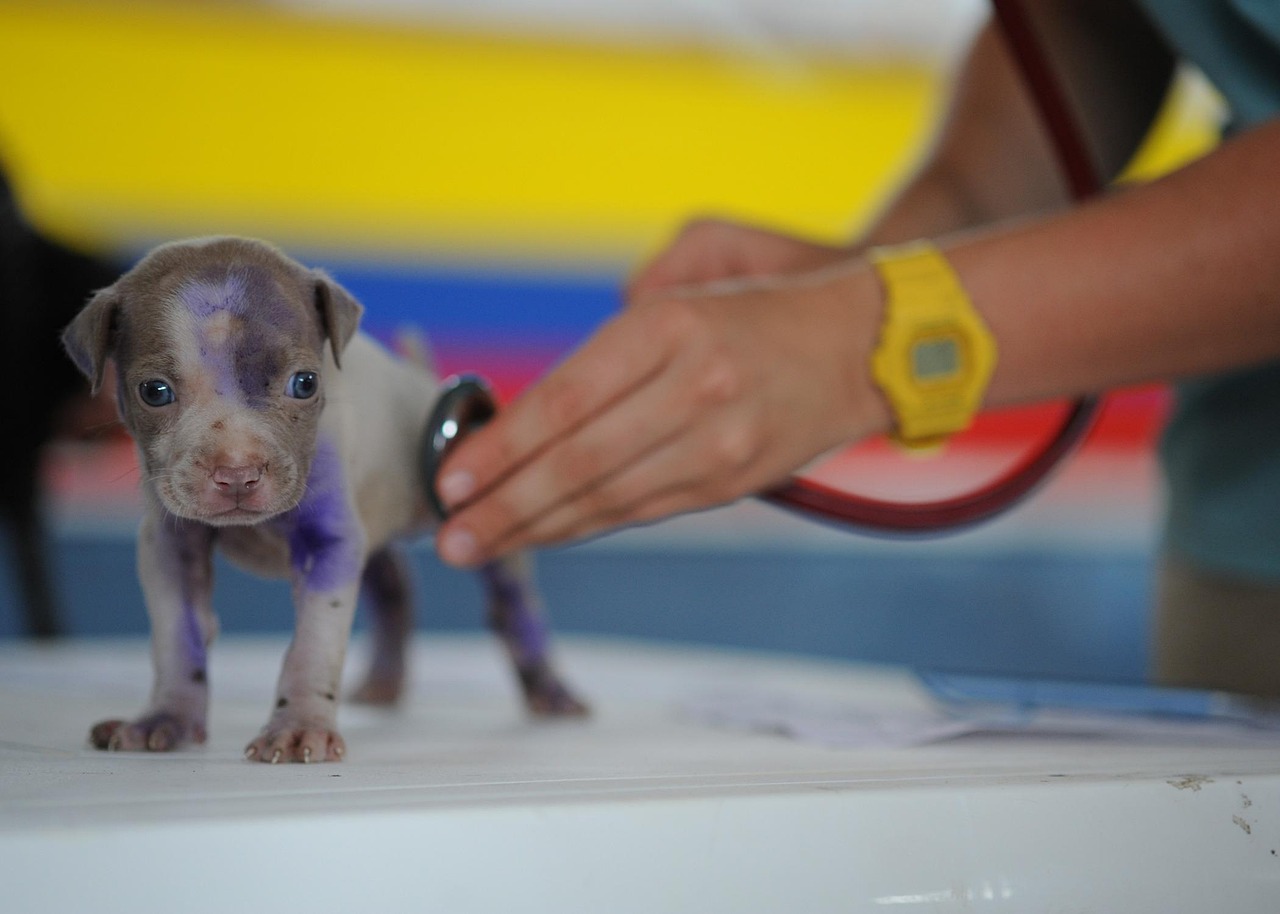
A comprehensive watch on your dog’s physical health is equally essential as behavioral observation. If you notice changes in your dog’s weight, either gain or loss, it can indicate various health issues that need addressing. Additionally, paying attention to your dog’s coat can provide health clues; a dull or sparse coat may reflect nutritional deficits or health problems. Furthermore, look for changes in their bathroom habits. Straining, increased frequency, or changes in urination and defecation patterns can signal digestive or urinary issues that need veterinary intervention. Likewise, observing their gums and teeth is crucial; swollen, red, or bleeding gums may suggest dental disease, which should not be ignored. Regular health checks should be a priority to prevent long-term issues. Keeping an eye on their breath can also signal health concerns; foul-smelling breath can indicate dental problems or systemic health issues. Regularly brushing your dog’s teeth and providing veterinary check-ups will be essential. An attentive observation of their mouths can help keep your dog healthy and comfortable.
Another critical aspect of maintaining dog health lies in monitoring hydration and drinking habits. If your dog drinks excessively or hardly at all, it can indicate underlying health problems. Dehydration can lead to serious issues, so it’s vital to ensure they are consuming enough water daily. Conversely, excessive thirst can signify conditions such as diabetes or renal failure. Regular routine checks can help identify changes early, allowing for prompt veterinary evaluation. Additionally, changes in your dog’s skin or ears can give insight into their health. It’s important to watch for signs of dryness, redness, or itchiness in their skin; these can indicate allergies or dermatitis. Checking their ears for foul odors, excessive wax, or reluctance in handling can unveil ear infections or other maladies. A proactive approach includes routinely checking these areas. Keeping notes about your dog’s drinking, skin, and ear conditions can provide valuable information to your veterinarian, aiding in diagnosis and treatment recommendations.
Conclusion
Ultimately, recognizing the signs and symptoms of potential health issues in your dog is crucial for timely intervention. Being attuned to your dog’s behavioral changes offers a significant advantage in addressing health issues before they escalate. Regular interaction and observation can foster a stronger bond while ensuring your pet’s well-being is prioritized. A proactive approach to monitoring allows for a more informed discussion with your veterinarian, enabling them to provide tailored care suited to your dog’s needs. It’s vital to note that any persistent or significant alteration in behavior warrants a professional evaluation. Keeping all relevant notes, including changes in eating habits, energy levels, and physical health, can greatly assist the veterinary inspection process. Additionally, promoting a healthy lifestyle through balanced nutrition and exercise will aid in minimizing health risks. Engaging in regular veterinary check-ups further ensures early detection of potential problems. In building awareness and being attentive, you can foster an environment that promotes long, healthy lives for your beloved canine companions.
Enabling your dog to thrive involves vigilance regarding the signs of health issues. Successful pet ownership is rooted in the recognition of what constitutes normal behavior for your dog. Keep yourself informed about common dog health problems and symptoms related to different breeds. This understanding can vastly improve your ability to recognize potential problems. Online resources, training classes, and local pet support groups can provide ongoing education about dog health. As responsible pet owners, continuing your education through these channels can empower you to make better decisions regarding your pet’s care. Additionally, maintaining communication with your veterinarian about any concerns or behavioral changes can yield essential insights into your dog’s health. Collaborating with a vet can also provide clarity regarding preventative measures to keep your dog healthy. Forming a supportive network with fellow dog owners can additionally enhance your awareness as shared experiences lead to valuable insights. Acting proactively instead of reactively in dog health matters can avoid serious complications down the line. In embracing a diligent and caring attitude, you ensure your furry friend’s happiness and health remain a priority.
In conclusion, developing a deep understanding of your dog’s health involves continuous learning and observation. Establishing routines that involve regular check-ins with your dog enhances both behavioral awareness and promotes their overall well-being. Engaging with your dog through play, exercise, and socialization will help keep you in tune with their typical behavioral patterns, making it easier to notice any changes. Understanding the fundamentals of dog health will empower you to address issues quickly. Make use of veterinary services and resources available, and ensure that you advocate for your dog’s health requirements passionately. Remember, your unique relationship with your dog creates a foundation for a healthy bond, which in turn, enhances their quality of life. Always be vigilant for changes, as early detection of health issues can lead to better outcomes. By being proactive and attentive, you create an environment where your dog thrives physically and emotionally. The better you understand your dog’s specific needs, the better care you will be able to provide.