
Positive Reinforcement Overview
Puppy training is essential for ensuring a well-adjusted dog, and positive reinforcement is one of the most effective techniques. This method focuses on rewarding desired behaviors rather than punishing unwanted ones. Positive reinforcement encourages puppies to repeat good behaviors by providing them with something they enjoy, such as treats, praise, or playtime. Key components of this technique include consistency, timing, and the right type of reward. By consistently rewarding good behavior immediately after it occurs, you help the puppy make positive associations. It’s also critical to ensure that the rewards are motivating enough for the puppy, as this will vary depending on the individual dog. Ensuring proper socialization is another important aspect of puppy training. Exposure to various environments, people, and other animals can promote a confident and well-adjusted dog. To get started with positive reinforcement, begin with simple commands like sit or stay and gradually introduce more complex tasks as your puppy learns. Consult training resources and experts to ensure you are employing the most effective methods for your puppy’s training journey.
Rewards and Their Importance
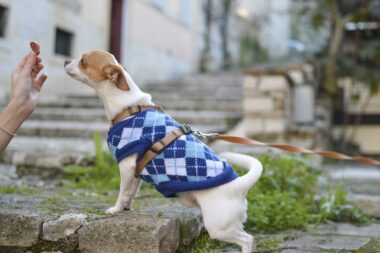
A major component of positive reinforcement is the type of rewards used during training sessions. Selecting the right reward can significantly impact a puppy’s learning experience. Treats are often the most effective rewards, especially if they are small and easy to consume. Using soft, high-value treats will keep the puppy motivated during training. However, it’s important to ensure that you don’t overfeed your puppy during training, which could lead to obesity. Additionally, verbal praise and affection should be paired with treats to make the learning experience more rewarding. A friendly tone communicates enthusiasm and helps to build a strong bond between you and your puppy. Playtime can also serve as a powerful reward, providing a fun outlet for your puppy’s energy and reinforcing desirable behavior. Incorporate favorite toys during training to encourage excitement and maintain focus. Consistency in using rewards will enhance the learning process. Puppies thrive on predictability, which means rewarding good behavior every time is crucial. Over time, you can gradually reduce the frequency of treats, as your puppy learns the commands.
In addition to rewards, the timing of your reinforcement is crucial. Rewards should be delivered immediately after the desired behavior to create a clear connection between the action and the reward. This requires attention and quick reactions from the training leader. If the reward comes too late, the puppy may not associate it with the behavior. Keeping training sessions short, engaging, and productive will help maintain their focus and enthusiasm. During training, split the session into small increments to prevent overwhelming your puppy. Aim for sessions lasting no longer than 5 to 10 minutes, especially for younger puppies. Short, frequent training sessions will help reinforce learning while preventing boredom or frustration. It’s also advisable to practice new commands in a low-distraction environment initially, gradually introducing distractions as your puppy becomes more confident. Starting in a quiet area enables the puppy to focus on the task without excessive interruptions. Puppy training should be fun, promoting a positive relationship between the puppy and its owner. By maintaining a happy atmosphere, you create a more effective and rewarding learning experience.
Building consistency in your training approach is another vital element in using positive reinforcement effectively. Consistency in cues and commands ensures that your puppy understands what is expected of them. Using the same command word and gestures consistently helps link the action with the verbal cue. Inconsistent training can lead to confusion and inconsistency in behavior. Take time to establish clear objectives for each training session. Document your puppy’s achievements and areas needing improvement. This tracking can help assess progress and adjust training strategies accordingly. Involving all family members in the process, while ensuring everyone uses the same commands and techniques, fosters a unified training approach. Puppies learn best when routines are established, and creating a reliable schedule aids in reinforcing positive behaviors. While challenges may arise, it’s important to demonstrate patience and understanding throughout the training process. Remember, each puppy learns at their own pace. Should setbacks occur, analyze the situation and adjust your techniques rather than relying on corrective measures. Ensuring a proactive approach promotes skill building while maintaining a strong bond with your pet.
Socialization and Training
Socialization is a critical aspect of puppy training and should occur alongside other techniques like positive reinforcement. Early exposure to a variety of people, environments, and experiences helps puppies grow into well-rounded adult dogs. Proper socialization should begin as soon as you bring your puppy home. Gently introduce them to new sights, sounds, and experiences while always prioritizing their comfort. Puppy playgroups, obedience classes, and puppy training courses are excellent opportunities for socialization. Engaging with other dogs and people allows puppies to learn proper social skills, which is essential for their overall development. Positive reinforcement works beautifully during socialization, as rewarding your puppy with treats or praise for calm behavior will encourage those responses in future situations. Monitor your puppy’s body language for signs of stress or discomfort during new experiences. It’s crucial to remove them from the situation if they seem overwhelmed and later try reintroducing the experience. With a slow, steady approach, socialization can become a rewarding and enjoyable aspect of the training process. Proper socialization leads to a confident, happy dog capable of handling various situations.
As your puppy becomes more adept at learning, scaling up the challenges is necessary to continue development. Gradually introducing new commands and tricks will keep the training engaging. Incorporate distractions or change locations to add variety, making learning more dynamic. Practicing skills in different environments helps reinforce learning, demonstrating that commands apply universally. Consider incorporating commands and tricks into your daily routine to seamlessly integrate training into life. Simple things like asking your puppy to sit before meals, or wait at doors can be effective opportunities for reinforcement. Positive reinforcement teaches puppies that listening brings rewards, making focusing fun rather than a chore. Adjust your training as your puppy grows, listening to their needs while providing positive engagement. Know that as they gain confidence, the level of distractions can increase, and provide guidance through praise and rewards. This approach encourages adaptability and ensures your puppy remains responsive in various situations. Adjusting training to accommodate growth helps cement the bond between trainer and dog, laying the groundwork for success in obedience and behavior in the long run.
Maintaining Progress and Fun
Maintaining the progress achieved through positive reinforcement requires an ongoing commitment to practice and patience. Continue reinforcing learned commands even after your puppy appears to master them. Ongoing reinforcement solidifies behaviors and keeps the learning process in view as they age. Variety in training exercises will maintain interest rather than stagnation. Incorporate fun activities into practice to keep your puppy engaged and looking forward to training time. Game-based training, where obedience commands are paired with fun activities, can be a beneficial way to do this. Hide-and-seek or agility courses can turn training into a delightful experience rather than a chore. Reducing reliance on treats will allow you to establish balance and make sure your puppy remains motivated at all times. Use praise or toys as rewards, relying on the value your puppy places on those rewards. Monitor progress; if your puppy is struggling, scale back and maintain a positive environment. Acknowledge their achievements, no matter how small, contributing to a positive atmosphere. Reinforcement of progress through fun experiences alongside obedience training results in a joyful and fulfilling bond between you and your puppy.
In summary, positive reinforcement techniques play an instrumental role in effective puppy training. Rewarding desirable behavior through treats, praise, and play fosters an environment where learning takes place naturally without fear or stress. Puppies respond best to a consistent, engaging, and specifically tailored training approach that recognizes their unique needs. By prioritizing proper socialization and maintaining a dedicated commitment to practice, owners can raise well-adjusted and obedient dogs. Remember that training is an ongoing journey requiring patience, understanding, and flexibility. As your puppy grows, adjust your methods to continually support their progress and enhance their learning experience. Positive reinforcement lays the foundation for future success, preparing your puppy for adulthood. The bond formed through understanding and engagement improves both communication and compliance, ultimately resulting in a happy, balanced dog. With the right nurturing, your puppy will develop into a confident companion, skilled in various commands, and well-prepared to navigate their world. Embrace the journey, celebrate small victories, and keep training a positive experience for both you and your furry friend.