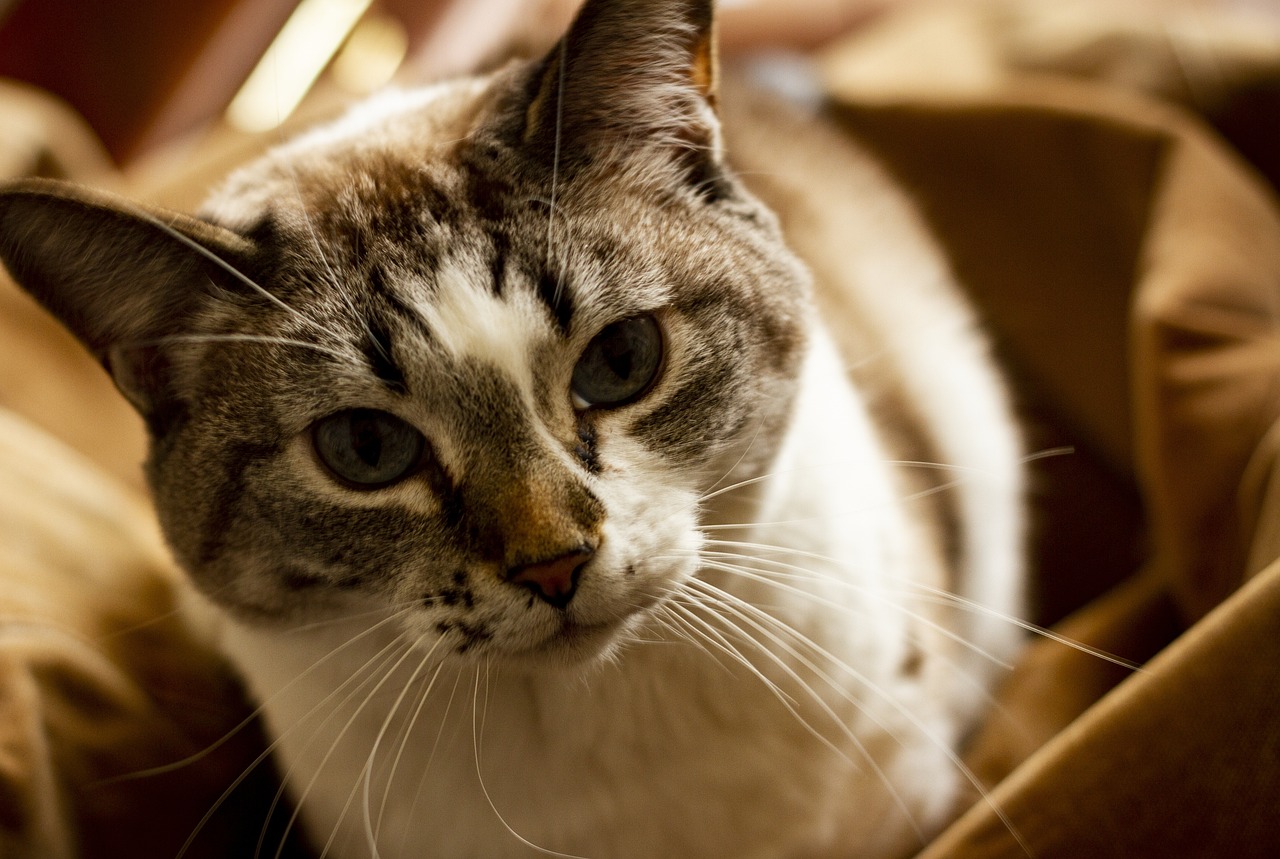

Natural Lighting and Its Benefits for Rescued Cats’ Housing
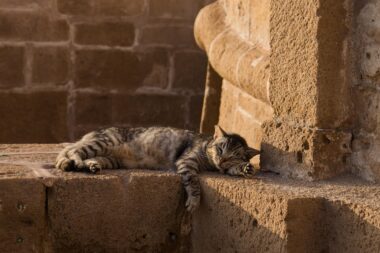
Natural lighting plays a crucial role in creating a comfortable environment for rescued cats. Adequate sunlight is essential for mental health, promoting natural behaviors like stretching and playing that are often stifled in dark settings. When cats are exposed to natural light, they tend to exhibit less stress and anxiety, as the ultraviolet rays can help boost their overall mood. Furthermore, optimal lighting conditions can enhance the visibility of the living space for both cats and their caregivers, allowing for better monitoring of their behaviors and health. It’s important to place cat furniture near windows to maximize their exposure to sunlight. Additionally, proper exposure to daylight supports the cat’s circadian rhythms, contributing to healthy sleep patterns. Safe and secure spots where a cat can bask in the sun should be created in their housing. Consider incorporating reflective materials indoors to amplify light distribution which creates a well-lit space. To ensure the best possible housing conditions, design the layouts focusing on sun zones for your rescued cats. This will not only brighten their housing but also positively impact their well-being.
When thinking about the essentials of rescued cats’ housing, safety is paramount. When setting up the space, always prioritize secure structures and materials that are free from harmful substances. Natural light, combined with a safe environment, can help rescue cats thrive. Sunlight penetrates into warmer areas, creating a cozy atmosphere that cats will appreciate. Adequate shielding from unwanted temperature extremes can also be achieved by using energy-efficient windows. When cats feel secure and comfortable, they are more likely to engage in playful behavior and thrive emotionally. Safety features such as non-toxic plants and secure fencing in outdoor areas can prevent injury or escape attempts. Importantly, each housing structure must accommodate easy cleaning processes for optimum hygiene. Scratching posts, climbing towers, and litter boxes should be positioned in easily accessible areas while still ensuring that they are well-lit. This practice encourages proactive care for the cats’ health and also fosters more interaction between the caregivers and the cats. Investing in quality materials that withstand wear and tear will increase the longevity of the housing, and of course, save time and resources in the long run.
Creating an Inviting Space for Cats
Creating a visually appealing and functional environment is essential for rescued cats. Utilizing natural light as a design element can enhance the aesthetics of their housing. Large windows provide ample daylight while allowing cats to safely bask and observe their surroundings. Effective placement of feeding stations and resting areas in sun-soaked sections of the room promotes both health and happiness among the rescues. Research demonstrates that cats thrive best in environments reflecting their natural habitats. Incorporating indoor plants and enriching materials can attract their interest, leading to healthier levels of stimulation. Additionally, using light-colored paint can reflect natural sources of light, enhancing warmth indoors. Avoid dark colors as they can absorb light and create an unwelcoming atmosphere. Ensuring the interior design compliments the natural light makes the space more desirable. Soft cushions and shelves positioned in sunny spots can create optimal napping zones that rescued cats will love. It’s also wise to avoid clutter in these sunlit areas, maintaining a clean and calming environment for the cats. Caregivers should monitor these settings regularly to ensure longevity and comfort as the cater to these special felines.
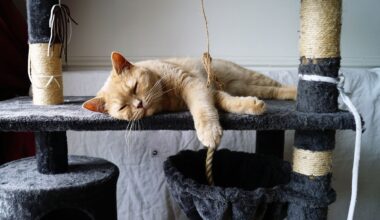
Integrating natural lighting into cat housing can have remarkable behavioral effects. A well-lit setting encourages active play, relaxation, and even bonding time with caregivers. Poor lighting can lead to lethargy and depression in rescued cats. To overcome this, creating spaces where cats can play, nap, and observe the world around them can effectively reduce stress. Activities which stimulate their instincts can flourish under natural lighting while enhancing their well-being. Consider adding scratching posts or climbing trees adjacent to windows where they can self-entertain. Situated in warm sunlight, these activities provide an inviting invitation to adventure. Additionally, natural solar light supports the production of Vitamin D, which plays a role in overall health. When cats bask in sunlight during the day, their natural instincts become engaged, and they also encourage mental stimulation. Transitioning from an indoor-only environment to one that actively encourages outdoor time can give them a greater degree of mental fulfillment. Rescued cats benefit significantly from interactive playtime options, nurturing the bond between them and their human companions. This balance returns their vitality, mirrors their natural instincts, and creates a thriving living environment for rescued cats.
Environmental Enrichment Through Sunlight
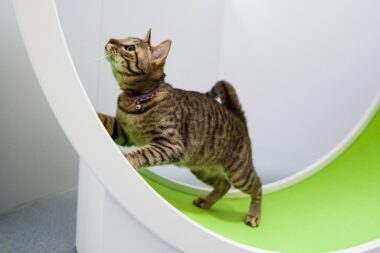
An enriched environment benefits rescued cats significantly. One of the key components of a stimulating environment is natural light, which creates patterns of warmth and visual interest in their housing. The combination of light and shadow creates a dynamic environment that captures their attention and encourages exploration. Areas for climbing, hiding, and resting should be strategically placed to utilize natural daylight. Setting up exposed areas where they can bask in warmth and softly illuminated pathways to their hiding spots can develop a sense of security. It’s notable that cats are naturally drawn to light, and giving them access to sunny spots can improve their quality of life while promoting beneficial activities. Furthermore, enhanced visual stimulation can reduce anxiety levels, aiding in the adjustment for newly rescued cats. Enriching their habitat with items that create movement when lit from natural sources can encourage play. Placing interactive toys in well-lit areas can amplify their engagement while increasing the joy of exploration and play. Consider setting up these enriched areas as multi-functional, providing your cats with the diversity they need for mental enrichment and physical fitness during their hours spent indoors.
Moreover, reflecting on how location influences natural light can affect the design of cat housing. Positioning living spaces to take advantage of morning sunlight can optimize lighting conditions throughout the day. Orienting the housing towards the east allows for sunlight to flow in during the most beneficial time. By incorporating ventilation with these sun angles, one can manage temperatures effectively and maintain an ambient climate for the cats. Elements to include might consist of shades that can be drawn back during sunny hours, keeping felines cozy without overheating. A well-planned layout enables tranquil zones alongside bright play areas promoting diverse cat activities. When specific cat needs are reviewed, stress levels can dramatically decrease when they enjoy their preferred habitat. Sunlight also fosters connection between caregivers and cats, maintaining a peaceful cohabitation space. Integrating aspects of nature helps to create a multisensory environment filled with pleasant sounds and visual delight. Rescued cats, drawn towards sunlight during the day, can form happy bonds with their humans, and providing thoughtfully structured housing through natural light promotes holistic well-being.
The Importance of Regular Monitoring
Structures designed for rescued cats need regular monitoring to maintain the benefits of safety and enhanced natural light. Scheduling routine inspections allows caregivers to ensure that all areas remain clean, secure, and functionally meaningful. Sunlit spaces should never become cluttered or disregarded; both environmental and physical aspects must be maintained for optimal health. Safety checks can include identifying structurally stable surfaces, ensuring that shelves, ramps, or climbing setups remain secure in sunlit spots. An engaged caregiver monitors the stress levels of rescued cats closely and adapts their housing structures accordingly. This creates a balanced living environment that reasons with their instincts for seeking sunlight and safety. Careful observation of cat behaviors can reveal the impact of light on their well-being. Over time, caregivers might need to rearrange or adapt internal structures to cater to their cats’ evolving preferences. Increasing accessibility while maintaining safety is key to ensuring the longevity of the housing. Thus, regular maintenance and proactive stock of essential supplies will contribute to fostering happier living conditions for rescued cats and enhancing the quality of their day-to-day experiences.
In conclusion, the impact of natural lighting cannot be overlooked in the housing design for rescued cats. By prioritizing safety, comfort, and mental well-being through natural light, we create an enriched habitat. This positively influences how cats engage with their environment, creating a thriving community for them. When caregivers invest their attention into structuring these spaces, the outcomes can contribute to their health and happiness exponentially. By implementing features that optimize exposure to natural light, we ultimately craft a sanctuary where rescued cats flourish. From monitoring and maintenance to creativity and interaction, all elements work synergistically within these beautifully constructed dwellings. Ensuring that every aspect of the space is designed with their needs in mind enhances their daily lives significantly. Rescued cats can thrive by having sunlight penetrate their environment, encouraging them to connect emotionally with their surroundings. An engaged, loving environment fosters not only well-being but also healthier behaviors, enriching the lives of both rescue cats and their caretakers. This commitment to creating optimal housing will yield heartfelt rewards, making a lasting impact in the lives of these treasured felines.