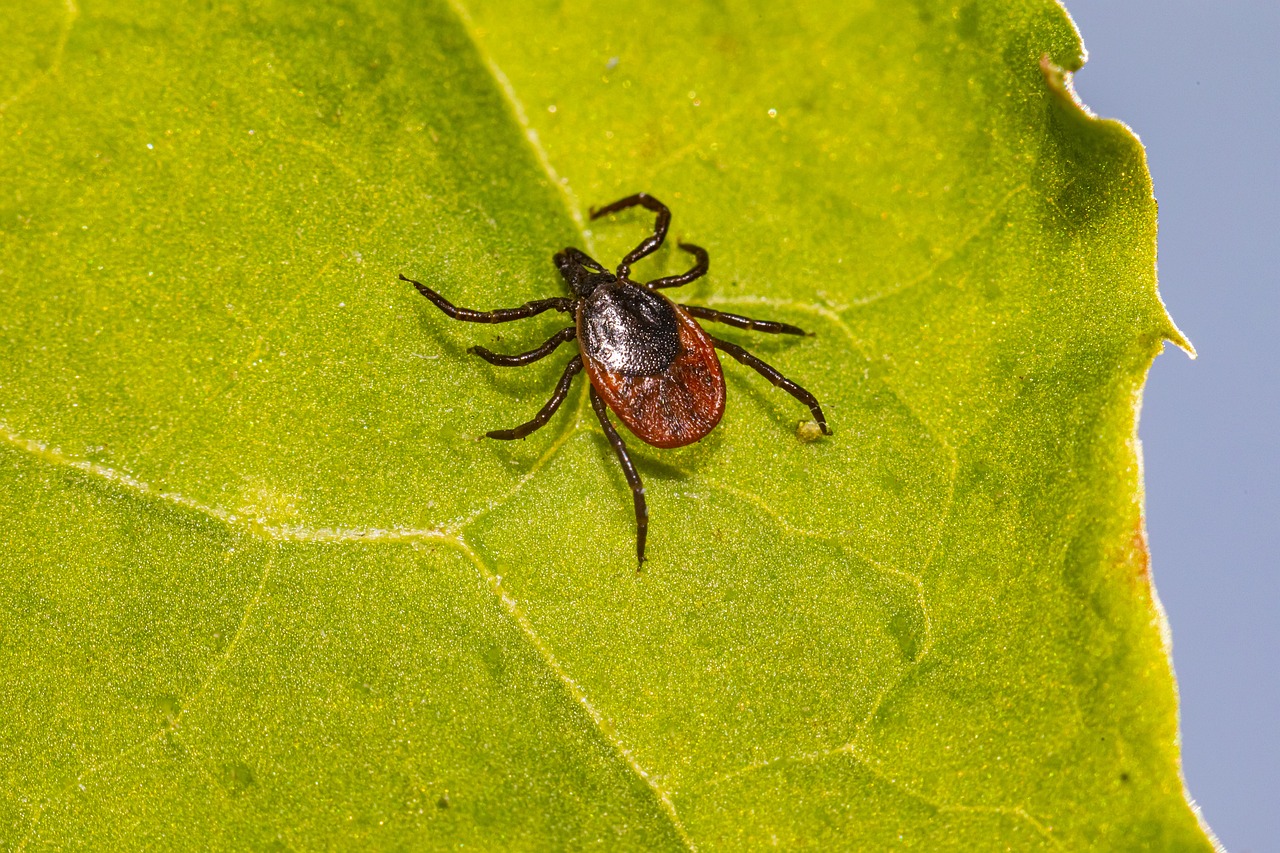

Homemade Flea and Tick Repellents: What Works and What Doesn’t
Managing fleas and ticks on your cat can be challenging, but homemade repellents offer an alternative solution. Many pet owners prefer natural treatments over chemical options. There are various recipes that incorporate ingredients known for their repellent properties. Essential oils, vinegar, and herbs can be effective and safe for your feline friend. It is essential to understand what works and what doesn’t to ensure a comfortable environment for both you and your cat. It is also vital to avoid certain ingredients that may be toxic. Always consult with your veterinarian before introducing any new repellent method. In the world of homemade solutions, some ingredients, such as lavender and peppermint oils, have shown promise. However, it’s crucial to dilute these oils properly before application to avoid skin irritation. When using homemade solutions, consistency over time usually yields the best results. Remember to apply the mixture regularly to keep fleas and ticks at bay. By exploring various recipes, pet owners can find the right blend that works for them while ensuring the safety and well-being of their beloved cats. So let’s dive into some recommended recipes.
Essential Oils for Flea and Tick Control
Essential oils are popular among natural flea and tick repellents. Many oil options exist, including lemon, eucalyptus, and cedarwood oils. When diluted properly, they can provide effective protection against pesky parasites. For cats, dilution is critical—mixing a few drops of essential oil with a carrier oil ensures safety. For instance, combining two drops of cedarwood oil with a tablespoon of coconut oil makes an excellent repellent. Apply small amounts behind the ears and on the neck, avoiding sensitive areas. Additionally, sweet-smelling oils create a pleasant aroma while combating unwanted pests. Some pet owners have reported success using lavender oil in the same way. Applying diluted lavender oil can repel fleas and provide a calming effect on cats. Cats have sensitive skin, making it important to do a patch test first. Simply apply a small drop of the diluted solution on your cat’s skin and wait 24 hours to see if any reactions occur. Always bear in mind, different cats react differently. Consulting with a veterinarian before using essential oils for flea and tick control is the most recommended approach.
Vinegar Solutions as Repellents
Vinegar is another reliable ingredient for homemade flea and tick repellents, often used by pet owners for years. Its strong odor may help ward off parasites while being safe for your cat. The most common method involves mixing equal parts of white vinegar and water in a spray bottle. This solution can be sprayed on your cat’s fur, avoiding the eyes and ears. Regular application helps maintain flea and tick resistance, especially in outdoor environments. Besides using it directly on your cat, you can also use vinegar around your home. Spraying vinegar solutions in corners, bedding, and outdoor play areas can help deter fleas and ticks from taking hold. However, vinegar’s effectiveness varies by environment, so it might be necessary to combine it with other ingredients for optimal results. Ensure the solution is well diluted to avoid skin irritation, and always observe your cat’s behavior after applying it. While some animals may not mind the smell, others may find it unpleasant. As with any pet treatment, trial and error will help you find the best solution for your feline friend.
Another popular homemade solution combines baking soda and salt. This mixture creates a natural flea buster that dehydrates and kills flea eggs, thereby preventing future infestations. Simply mix equal parts of baking soda and salt, then sprinkle the combination on carpets, pet bedding, and fabric areas where your cat spends time. Allow it to sit overnight before vacuuming thoroughly to remove the product along with any dead fleas. This method is especially useful for tackling persistent infestations. However, please keep in mind that this method might take time for noticeable results, so patience is key. Treat your home every few weeks to stay ahead of the game, and ensure flea eggs are eliminated effectively. Additionally, while this mixture is safe for cats, preventing them from ingesting large amounts is crucial. Monitor your pet’s movements while the mixture is in place to avoid any accidental ingestion. Establishing this routine allows you to create a flea-free environment. By combining different methods, you can enhance the overall effectiveness of your flea and tick control regimen, ensuring a comfy space for you and your feline companion.
Herbal Remedies to Repel Fleas and Ticks
Many herbs possess natural properties that can deter fleas and ticks, providing yet another option for repelling these pests. Common examples include rosemary, thyme, and mint. You can easily incorporate these herbs into your cat’s environment. One popular method involves creating an herbal spray by steeping dried herbs in water, straining the mixture, and using it as a repellent. For a simple rosemary mix, steep two tablespoons of dried rosemary in two cups of water for approximately 30 minutes, then strain. Once cooled, the liquid can be sprayed on your cat and in various areas of the house. Applying these herbal solutions regularly provides an added layer of protection against fleas and ticks. However, be cautious, as some cats may be sensitive to particular plants. Always conduct a patch test first before full application. In addition, using potted herbs around your home not only beautifies but also repels unwanted pests naturally. Maintaining your home’s environment with these growing plants enriches your space while contributing to pet health and wellness.
Despite the natural methods available, some solutions may not work the same for every cat. Each pet has unique sensitivities, which makes it crucial to evaluate their responses. After applying any homemade repellent, monitor your cat for any signs of discomfort or adverse reactions. Signs may include scratching, licking, or unusual behavior. Should these occur, stop using the solution immediately and consult your veterinarian. Moreover, it can often be helpful to alternate between different homemade repellents. Doing this may reduce the chances of flea resistance. Fleas can quickly adapt to specific ingredients, making rotation essential. Regular cleaning of your home, along with outdoor yard maintenance, ensures a comprehensive approach to managing fleas and ticks. Vacuuming carpets and washing pet bedding regularly removes flea eggs and larvae from your home. Keeping your yard tidy also minimizes potential flea and tick habitat, ultimately protecting your pets. Addressing both indoor and outdoor environments is essential. Natural treatment options remain a popular choice among pet owners, but they require diligence and observation to succeed.
When to Consult a Veterinarian
Finally, if your flea and tick problem persists despite using homemade solutions, it’s advisable to seek professional help. Consulting your veterinarian ensures your cat receives the appropriate treatment if a severe infestation occurs. Veterinarians can provide personalized advice based on your cat’s specific needs and health conditions. Nevertheless, it’s essential always to inform your vet about the homemade remedies you are using. Sharing this information allows them to assess potential interactions with their standard flea medications. In cases of allergic reactions or severe infestations, your vet may recommend prescription medications or treatments that could be more effective. Furthermore, regular check-ups can help identify early signs of flea problems before they escalate. Ultimately, the goal is to ensure your cat remains safe and healthy while managing flea and tick populations effectively. By being proactive, using a combination of methods, and monitoring your pet’s health, you increase your chances of success in keeping these pests at bay. Understanding when to seek professional guidance is key to your pet’s well-being and comfort.
Final Thoughts on Homemade Remedies
In conclusion, homemade flea and tick repellents can be effective and safe alternatives to chemical treatments for cats. A variety of methods exist, including essential oils, vinegar, baking soda, and herbs. Experimenting with these options helps you identify which solutions work best for your cat. Remember to observe your pet’s reactions carefully, avoiding potential irritants or harmful ingredients. As you apply these remedies consistently, you and your cat can enjoy a flea and tick-free environment. Combining different methods and incorporating preventative measures enhance the efficacy of your efforts. Regular grooming and cleaning routines play a significant role in keeping your home flea-free. Furthermore, don’t hesitate to consult your veterinarian as needed to ensure your cat receives the appropriate and most effective flea and tick management. Providing a comfortable environment for your feline is essential. In doing so, you contribute positively to their health, happiness, and overall well-being. The journey towards effective pest management can be a collaborative effort between you and your veterinarian. By prioritizing safety and efficacy, you ensure a harmonious home for your cherished feline companion.