
How to Introduce Your Dog to New Children Safely
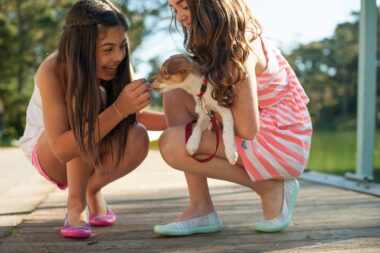
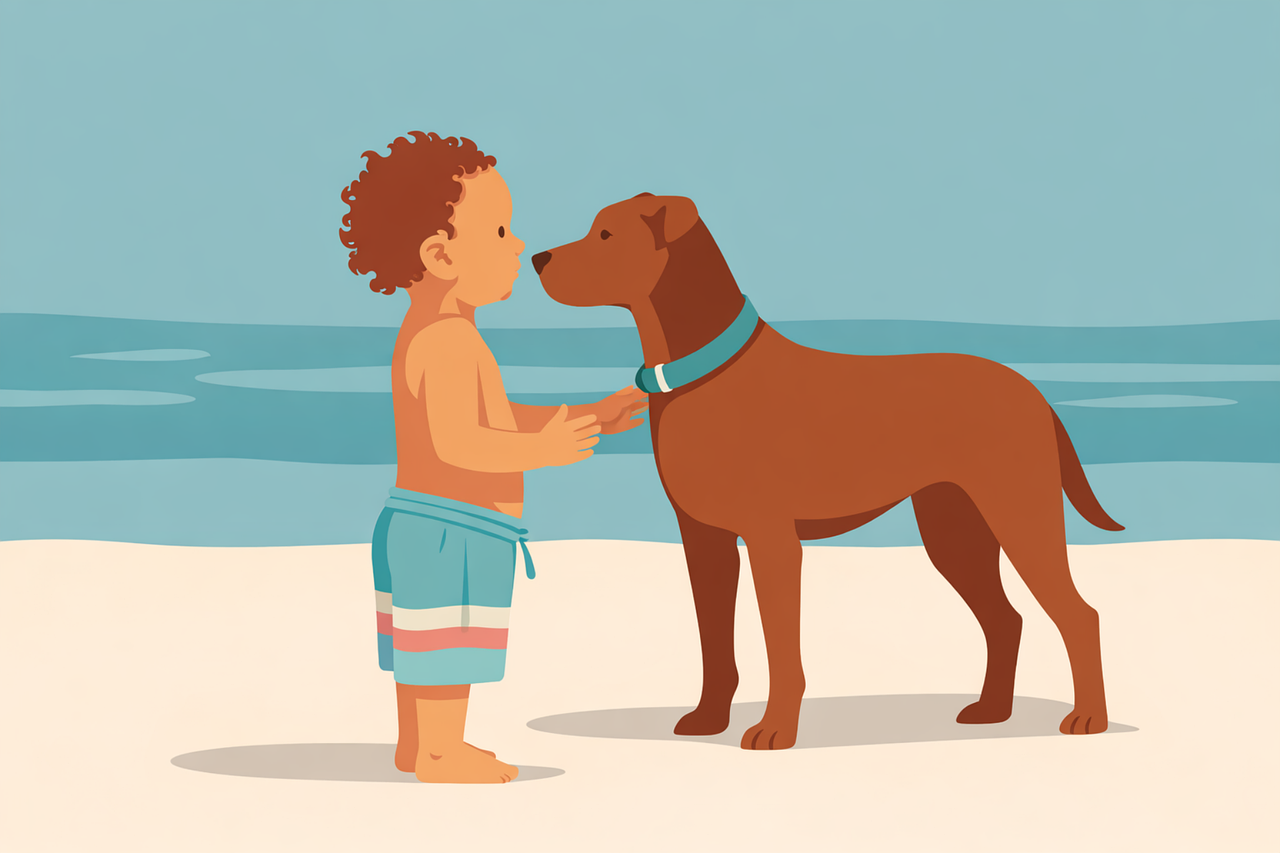
Introducing your dog to new children can be a significant step for both the child and your pet. It’s crucial to prepare your dog and ensure a safe, positive experience for everyone involved. Begin by assessing your dog’s reaction to children in general. Observe their behavior around kids when you are out, noting any signs of stress or aggression. If your dog appears anxious, consult a professional trainer before any introductions. To make a successful introduction, it’s essential to choose a controlled environment, free from distractions. This should be a quiet area where the dog feels comfortable and secure. When you first introduce the child to your dog, keep them on a leash, allowing for positive interactions. Gradually, let the child approach your dog calmly while ensuring the dog is relaxed. Involve the child in the reinforcement process by offering treats through the leash. Encourage the child to treat the dog gently. Always supervise the interaction closely, never leaving them alone together initially. Having clear communication about boundaries helps in maintaining a harmonious relationship between your child and your dog.
After you have assessed your dog’s temperament and chosen a safe space, it’s crucial to help the child understand appropriate interactions. Teach the child how to approach dogs calmly, using soft, gentle movements. Explain to them the importance of giving the dog space, especially during the first introduction. Children should always ask for permission before petting any dog and should understand signs of nervousness. Discuss with the child how to recognize the dog’s body language, ensuring they know when the dog feels uncomfortable. Also, highlight the importance of not pulling on the dog’s ears or tails. Encourage the child to use treats and toys to engage positively with the dog. It’s helpful to supervise the first few interactions closely. If things don’t go smoothly, don’t hesitate to remove the dog from the situation. An alternative could be a gradual exposure process, starting with the dog in a crate to observe the child safely. This helps the dog acclimatize to the child’s presence before a direct introduction. Always reward calm behavior with treats and praise, reinforcing the idea that good behavior leads to positive experiences.
Managing Dog Anxiety During Introductions
Dogs can feel anxious during new encounters, especially with children. Understanding these feelings helps manage the situation better. Whenever introducing kids to your dog, assess their anxiety levels first. If you know your dog is uneasy around children, ensure you have calming strategies in place. Consider giving your dog a safe space where they can retreat if they feel overwhelmed. A designated bed or crate in the room allows your dog to observe without feeling threatened. Additionally, using calming products, like anxiety wraps or pheromone diffusers, may help reduce nervousness. Incorporate short sessions filled with structured activities such as fetching or obedience tasks, as they can divert the dog’s focus away from anxious feelings. Gradually increasing the time spent around the child will help build comfort levels. If your dog shows signs of distress, such as constant barking or trying to escape, it’s essential to recognize these signs and remove them from the situation immediately. Be prepared with alternate distractions for your dog, like their toys, to keep them engaged in a positive outlet.
The role of positive reinforcement cannot be overstated in this scenario. Frequent rewards for behavior that you want to encourage create a positive association with the children. Whenever your dog remains calm or obedient during the interaction, offer praise or treats. This technique can even be employed during practice sessions that don’t involve children. You can also use treat-dispensing toys to keep your dog engaged while transitioning into more complex social situations. Another approach is to play games with both your dog and the child present, creating a bond through shared activities. For example, hide and seek with your dog and the child can provide excitement while keeping interactions structured. Always aim to keep the sessions short, focusing on maintaining a positive environment. Ending on a high note, reinforcing good interactions, makes it more likely that your dog will look forward to future meetings. Use the child to reward the dog by having them give treats for desired behaviors. Gradual exposure during different times of the day can further help the dog adjust to children’s presence seamlessly.
Dealing with Negative Experiences
If an introduction triggers a negative reaction from your dog, it’s critical to address this calmly and effectively. Creating negative experiences can worsen anxiety and lead to further issues down the line. It’s advisable to end the session if the dog shows signs of distress, allowing them to leave the interaction calmly. Never punish your dog for their behavior; this can intensify fear or aggression. Instead, focus on positively reinforcing good behavior. If your dog has a particularly fearful reaction, take a step back and reassess the situation. Consider seeking help from a professional dog trainer or behaviorist. They can provide insights specific to your dog’s anxieties and help craft a tailored training plan. Record specific incidents to identify patterns in your dog’s reactions, which may assist trainers in pinpointing stimuli that prompt anxiety. Additionally, reviewing the child’s behavior during the introduction can reveal triggers. Keeping calm and composed during these experiences reassures your dog, which can help them regain their confidence and comfort.
Remember that building strong relationships between your dog and children will take patience and consistency. Each interaction should be approached with care, understanding that both the dog and child have their own needs. Continue to supervise all interactions even after successful introductions to ensure everyone feels calm and safe together. Engage in regular practice sessions and positive reinforcement strategies to maintain a healthy relationship. Mix up activities to keep both the child and dog engaged and excited about their interactions. Roll exercises that allow both the dog and child to play together while establishing boundaries and respect. Incorporate training sessions that include the child as participant; this will keep the energy positive. Gradually exposing your dog to new children in various social settings can also be beneficial. It helps normalize these interactions while allowing your dog to develop the necessary social skills over time. Lastly, a successful introduction builds the foundation for a lifelong friendship, making it invaluable. Patience, careful planning, and positivity will pave the way for exciting connections between your furry friend and any child.
Monitoring Progress
Once the initial introductions have taken place, it’s important to monitor both your dog’s and the child’s progress. Create routines that involve structured interactions over time. This enables both parties to acclimate fully and develop familiarity with one another, promoting a lasting bond. Look for positive behaviors throughout the process, including relaxed body language from your dog, such as wagging tails and soft eyes, which indicate comfort. Monitoring the child’s behavior is equally important; ensure they show respect for the dog’s space and exhibit gentleness. Document improvements and setbacks, tracking the evolution of the relationship. Adjust strategies according to observed behaviors. You may find that certain tricks or activities engage both the dog and child, making interactions smoother. If issues arise, reevaluate the situation and progress rate. Small bursts of success are worthy of celebration, reinforcing positive behaviors. Try to include rewards during routines to strengthen these associations over time. Over weeks and months, persistence will yield noticeable results, and the combination of child and dog will develop a bond filled with trust and understanding.
In conclusion, introducing your dog to new children is a process that requires preparation, patience, and understanding. By assessing your dog’s temperament, creating controlled environments, teaching children safe interaction practices, and employing consistent positive reinforcement strategies, you set the stage for successful introductions. Remember to manage your dog’s anxiety by providing safe spaces and employing calming techniques. Navigating negative experiences calmly is essential, ensuring that you respond to your dog’s needs effectively. Ultimately, a positive introduction can foster a lasting relationship between dogs and children, enriching both their lives. After initial introductions, it’s essential to monitor their progress, adapting approaches as necessary. Regular practice and positive experiences play a crucial role in forming a bond that is based on trust and mutual respect. Celebrate the successes, however small, and build confidence in both your dog and child. Fostering these connections prepares both your pet and the children involved for countless joyful interactions in the future. If done carefully, the friendship between dogs and children can lead to countless memorable moments for your family, enriching your lives together in ways you will treasure.