
Using Softboxes and Umbrellas to Soften Light in Dog Portraits
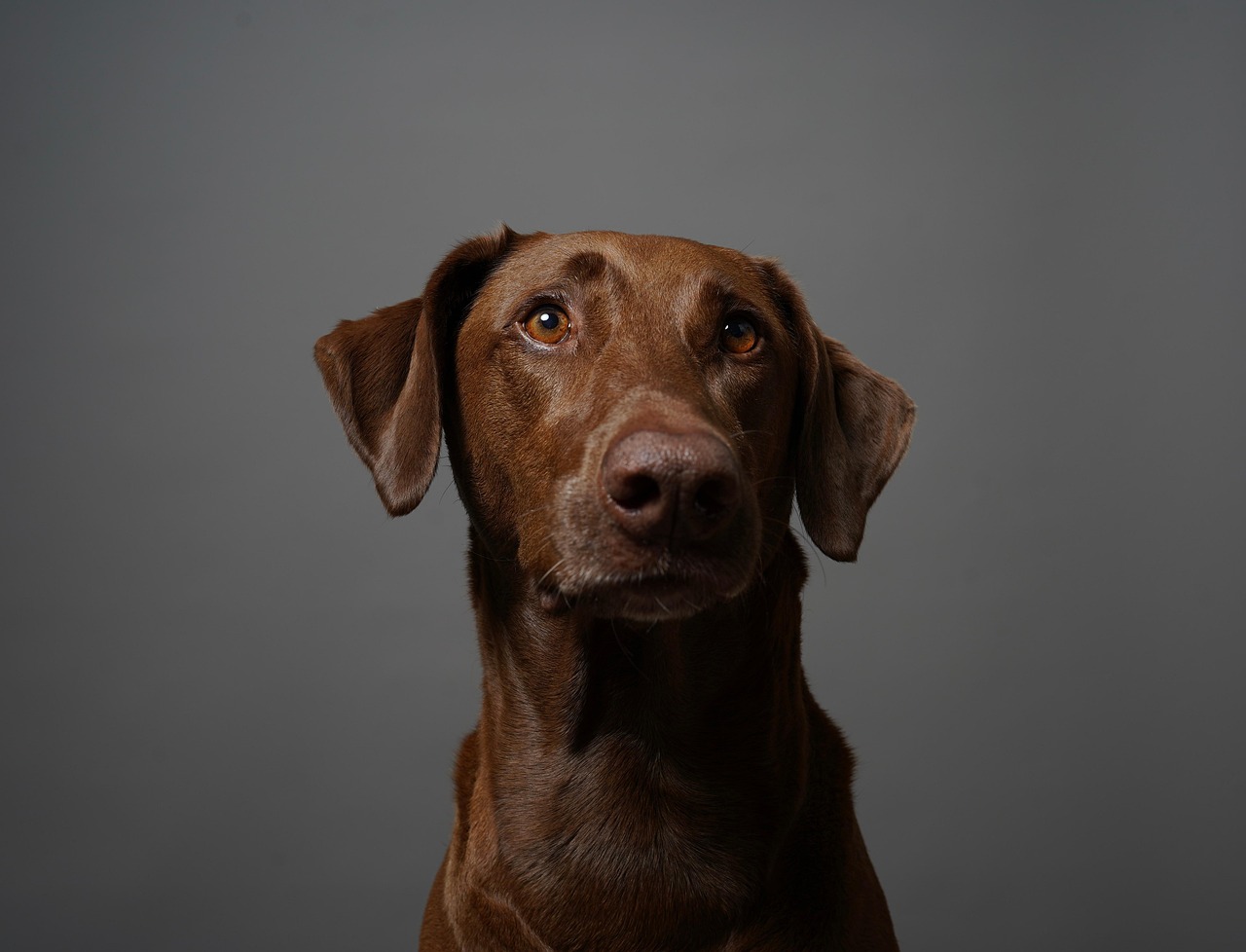
Capturing stunning dog portraits often relies on controlling light effectively. Artificial lighting, particularly softboxes and umbrellas, can elevate your photography skills remarkably. These tools diffuse harsh light, creating a more flattering and natural appearance for your furry subjects. When using softboxes, light spreads evenly, reducing shadows while enhancing your dog’s features beautifully. Alternatively, umbrellas offer a versatile solution, reflecting and softening light with great efficiency. To achieve the best results, position the softbox or umbrella at a 45-degree angle to the dog, creating depth in the photograph. Additionally, it’s essential to consider the light temperature; a warmer tone can add a cozy feel to the portraits. Don’t forget to adjust your camera settings, such as ISO and shutter speed, to accommodate the softer light. Engaging your dog during the shoot also improves their mood and the overall quality of the images, ensuring their personality shines through. Regular practice using these techniques will develop your skills, allowing you to experiment with different light setups for various effects, ultimately capturing the true essence of your canine companions.
In addition to the basic techniques mentioned, understanding light modifiers is crucial for achieving professional results. Softboxes and umbrellas come in various sizes, which can significantly influence the ambiance of your photography and your dog’s mood. For example, larger softboxes provide a greater diffusion surface, resulting in softer lighting that’s ideal for portraits with limited natural light. Conversely, smaller umbrellas can create a more controlled focus of light, highlighting specific features. Experimenting with different distances between the light source and the dog is essential; closer positioning leads to softer light, while moving it further away increases shadows. Also, consider the placement of your dog within the frame. Shooting from a lower angle and aligning your camera with their eye level enhances the connection in portraits. Using props can elevate the visual appeal of the image, allowing further creative expression. For increased versatility, explore using both softboxes and umbrellas simultaneously. Offering a blend of light sources makes it easier to manipulate shadows and highlights, creating dynamic and eye-catching portraits that reflect the character of your pet seamlessly.
Choosing the Right Equipment
Selecting the right softbox or umbrella is crucial for your dog photography success. Several factors contribute to making this decision, including portability, size, and ease of use. Lightweight and collapsible models are recommended for travel photographers, allowing for an easy setup in various locations. Ensure the materials used are durable for frequent use and resistant to weather conditions. Furthermore, check the compatibility of your light source with the modifiers; not all softboxes and umbrellas are universally compatible. Investing in high-quality equipment can lead to noticeably improved results in your portraits. Make sure to analyze reviews and gather opinions from other photographers to gauge performance. If budget constraints are present, consider renting equipment or purchasing second-hand items in good condition. Utilizing online forums and photography communities can help you uncover valuable tips and recommendations about particular brands and models. Ultimately, exploring different lighting setups is essential to determining which best complements your style and techniques, leading to more captivating images of your beloved dog through your lens.
When it comes to the actual shooting process, planning your lighting setup ahead of time can save you significant time and frustration during the session. The more prepared you are, the smoother the shoot will go, allowing you to capture spontaneous moments of your pet’s personality. Start by scouting for the ideal location, considering natural background elements that enhance the visual storytelling aspect, such as trees, flowers, or architecture. Implement a test session to tweak the lighting and angles before bringing in your dog. Evaluate the lighting under various settings and adjust your softboxes or umbrellas accordingly for the best effects. Utilize your camera’s monochrome feature to judge the contrast levels in your images before shooting in color. After adjusting your light sources, create a comfortable environment for your dog, using treats or toys to capture candid moments of joy and playfulness. Continuous interaction with your dog strengthens their confidence, yielding genuine expressions that resonate well in your photographs. This foundation will not only enrich the quality of your images but also create lasting memories during each photoshoot.
Post-Processing Techniques
Even with the use of artificial lighting, post-processing plays a vital role in enhancing your dog portraits. Utilizing software such as Adobe Lightroom or Photoshop allows for further refinement, bringing the best out of your initial images. Begin by adjusting the exposure, ensuring none of your dog’s details are lost due to overexposure or shadows. Furthermore, fine-tune the contrast and brightness levels to create depth and dimension in the image. Cropping the photo can also emphasize your subject more effectively, enhancing their unique qualities. Applying a subtle vignette can create a focus around your dog, directing viewers’ attention toward their expressive eyes and charming features. Preserve the authenticity of your images during editing; avoid excessive saturation or heavy filters. Rather, highlight the natural colors and textures that convey the story behind your dog’s personality. Don’t hesitate to experiment with various editing techniques; this will help you develop your signature style over time. Remember to save your edited images in high resolution for printing or sharing online seamlessly.
Networking with other photographers can provide immense benefits in learning how to master the art of dog photography effectively. Participating in workshops and online classes will familiarize you with advanced techniques and concepts, expanding your skills and toolbox. Engaging on photography forums allows you to share experiences and seek constructive criticism from peers. Additionally, following renowned dog photographers can inspire fresh ideas and innovative approaches. Utilize social media to showcase your work, gaining exposure while connecting with other dog lovers and photographers. Critique your images based on the feedback you receive, identifying areas for improvement in your techniques. Building a portfolio that highlights your dog photography will help you secure potential clients should you choose to branch into a business. If you enjoy photographing pets—placing emphasis on the narrative behind each image—embracing diverse settings boosts your versatility and professionalism. Remember that honing your craft requires ongoing practice and a genuine passion for capturing your canine companions. Let your enthusiasm for dog photography shine through, ultimately delivering images that resonate deeply with both you and the pet owners.
Conclusion on Light Techniques
In conclusion, mastering the use of softboxes and umbrellas can significantly enhance your dog portraits, delivering remarkable images that encapsulate their charm. Regardless of your experience level, adopting proper techniques and adjusting your approach based on your preferences will yield satisfying results. Developing a routine allows you to become comfortable using artificial light effectively, reinforcing the notion that it’s not only about the tools but also the approach you take in utilizing them. Do not hesitate to experiment with angles, distances, and settings; each session will teach you new lessons and ultimately refine your eye for detail and aesthetics. Focusing on your dog’s personality during shoots not only brings joy but also helps foster a unique connection through your lens. Documenting your innovative practices can enhance your skills, shining a light on your journey within dog photography. The ultimate goal is to evoke emotion in viewers through imagery, making them appreciate the beauty in each pet captured. With persistence and creativity, your dog portraits will resonate deeply, encapsulating the love shared between canines and their human companions.
As you continue your journey in dog photography, remember that learning never stops. Every shooting session offers a fresh opportunity for growth, innovation, and creativity to shine through your lens. By effectively employing softboxes and umbrellas, you can take your portraits to a professional quality, illuminating the unique personality of each dog. Embrace the environment’s beauty and utilize natural light in conjunction with your artificial setup when possible. Striking the right balance creates images that retain depth and personality while highlighting the connection between each dog and their surroundings. Challenge yourself to push beyond conventional approaches; consider different themes, moods, and settings to inspire powerful storytelling within your work. Ask pet owners about their dogs’ quirks, habits, and passions, integrating these elements during shoots. As you capture their true essence, your photographs will speak volumes and convey strong messages to viewers. Finally, cherish your experiences and the relationships built with both your clients and their beloved pets. This will amplify the sense of fulfillment intrinsic to dog photography, resulting in cherished memories for everyone involved in this lovely art form.