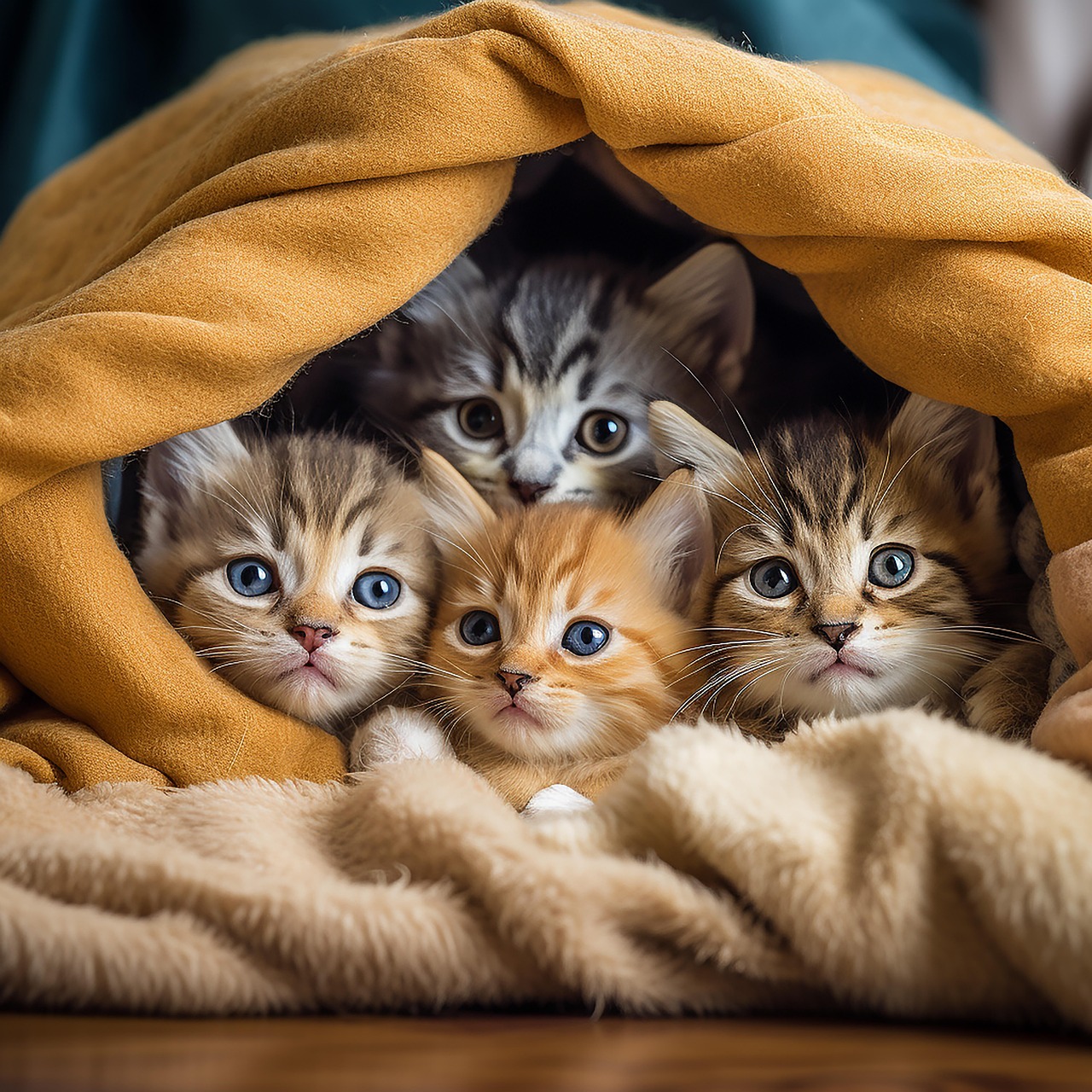

Addressing Common Socialization Challenges with Kittens
Socializing kittens is an essential part of their training success. Many new kitten owners often face common challenges during the socialization process. Initially, it can be daunting to introduce your kitten to various environments, people, and other pets. Lack of exposure can lead to fearfulness, which hinders their behavior development. It’s crucial to understand that early socialization impacts how confident and friendly your kitten becomes as an adult. To tackle these issues effectively, consider devising a structured socialization plan. Early and positive experiences can create a well-adjusted cat. Frequent visits to different places, introducing new sounds, and meeting various people can be beneficial. Consider using safe interactive play items that encourage confidence, like feather wands or balls. Additionally, utilizing treats can help in positively reinforcing good behavior during stressful encounters. Always monitor your kitten’s reactions to ensure they feel safe and comfortable. Gradually increase the complexity of social situations, adjusting according to their comfort. Over time, these gradual exposures contribute significantly to overcoming socialization challenges and promoting lasting success in training.
Strategies for Effective Socialization
One effective strategy for socializing kittens involves intentional, gradual exposure to new experiences. Early socialization should start around 2 to 9 weeks of age, as this is a critical developmental window. Introduce your kitten to various stimuli, including different people, animal sounds, textures, and safe household objects. Let them explore without being overwhelmed. Create a safe space where your kitten can retreat if needed. This allows them to observe new experiences at their own pace. Using timelines helps set realistic goals for each phase of socialization, outlining the types of exposure you want to introduce. Also, consider engaging in positive reinforcement training techniques. Rewarding your kitten with treats or praise helps them associate new experiences with something pleasant. Remember to be consistent; patience and repetition are important factors in building your kitten’s confidence. Set achievable milestones, such as introducing your kitten to one new person a week. Over time, they will adapt to different situations better and become more sociable cats. Fostering these positive experiences creates a strong foundation, leading to long-term positive behavior.
Additionally, understanding your kitten’s temperament is vital when addressing socialization challenges. Each kitten possesses a unique personality that influences how they respond to new situations. Some kittens might be inherently shy or more timid than others, while some may show curiosity or boldness. Knowing your kitten’s personality helps tailor the socialization process to fit their needs effectively. Introducing your kitten to new experiences slowly allows for better adaptation. Avoid forcing them into uncomfortable situations as it can lead to negative associations with specific stimuli, hampering future interactions. Notice their body language; if your kitten shows signs of fear, such as hissing or hiding, give them space and time to adjust. Gradual exposure helps build their confidence. Engaging with kittens during playtime using toys can serve as a bridge to launching them into new environments. It fosters an enjoyable and secure feeling. Encourage their playfulness in different settings to positively reinforce adaptability. Fostering this understanding creates opportunities to socialize appropriately while being insightful about your kitten’s reactions. Ultimately, this enhances their learning and comfort level during training.
The Importance of Positive Experiences
Creating positive interactions is essential for successful kitten socialization. Consider the fact that kittens learn from their experiences; negative encounters can have lasting effects. Therefore, every socialization session should prioritize positive reinforcement. Always introduce new situations or stimuli in a low-pressure environment. If introducing your kitten to a new person, ensure that person approaches gently and doesn’t make sudden movements or loud noises. If they get treats and praise for calmly meeting someone, kittens will start associating strangers with rewards. This leads to a more confident attitude towards social experiences. Utilize treats frequently during socialization to provide a fun and exciting aspect. Engage in gentle petting and quiet conversations to create a comfortable atmosphere. Monitor your kitten’s stress level by observing their body language. If you notice excessive fear or anxiety, allow your kitten to retreat. Allow for safe spaces during these sessions fosters better trust and reassures them of their security. The goal is to cultivate curiosity rather than fear regarding new experiences. Getting it right can often pave the way for a more relaxed, well-adjusted adult cat.
Another key factor in socializing kittens is consistency. Setting up a routine for socialization helps reinforce positive behaviors and assists in building confidence. Regular and varied interactions expose your kitten to diverse people, pets, and situations. Performing short, frequent socialization sessions instead of overwhelming them with longer introductions leads to better overall adaptability. These sessions can become enjoyable bonding experiences between you and your kitten. Start by introducing safe and friendly family pets, slowly showcasing diverse personalities. This strategy helps kittens learn social norms with other animals. Supervising them during these interactions is crucial to ensuring their safety and comfort. You might experience occasional setbacks; understanding they are part of the learning process is key. Continue to guide your kitten through challenges gently, reinforcing good behavior consistently. Moreover, ensure your household environments are welcoming and low-stress. A harmonious home atmosphere boosts their learning capabilities. Gradually increasing exposure over time allows kittens to process their new experiences effectively. As they adapt, kittens may demonstrate improved behavior, easing their transition into socialized adult cats.
Common Mistakes to Avoid
During the socialization process, it’s imperative to recognize common mistakes that many kitten owners encounter. One significant error is rushing the socialization experience. Pushing a kitten too quickly into new situations often leads to anxiety, fear, and long-lasting aversions to particular stimuli. This can deprive your kitten of learning important social behaviors. Instead, take things step-by-step. Another common pitfall is not adequately observing your kitten’s reactions. Failing to pay attention to body language can lead to misreading their comfort levels. If a kitten is showing signs of distress, it’s crucial to avoid forcing the interaction and instead allow them to take a break. Moreover, neglecting to utilize rewards can limit success during socialization sessions. Always be prepared with treats or engaging toys to encourage positive associations. Finally, one significant mistake is not socializing enough. Varied experiences enrich a kitten’s understanding of the world. Building confidence over time can create positive outcomes. By evading these pitfalls, kitten owners can foster successful interactions, encouraging confident and well-adjusted adult cats.
In conclusion, addressing socialization challenges with kittens is essential for a successful training journey. A proactive approach, incorporating gradual exposure and positive reinforcement, leads to confident and sociable adult cats. Understanding each kitten’s unique personality helps tailor the socialization experience effectively. Early socialization allows them to adjust to diverse stimuli in a supportive environment. Fostering positive experiences ensures kittens feel safe while adapting to new interactions. Consistency in routines and supervision during social encounters contributes significantly to their social learning process. Avoiding common pitfalls promotes a more enriching socialization experience; this lays a solid foundation for well-adjusted behavior. A comprehensive approach incorporates structured plans and flexible responses to your kitten’s needs, such as meeting other pets and people. This structured foundation enhances their ability to learn and adapt to various situations positively. Finally, take the time to celebrate small victories during their socialization process. Each accomplishment contributes to nurturing a well-socialized kitten. Building their confidence prepares them for a world beyond their home, ensuring that socialization challenges become milestones towards success.