
Aggression in Senior Cats: Medical Causes and Solutions
Aggression in senior cats can often be attributed to underlying medical issues, which is crucial for the well-being of these feline companions. Older cats frequently experience various health problems that may influence their behavior. Common medical causes include arthritis, dental pain, and cognitive dysfunction syndrome. Cats suffering from these ailments may become irritable as they struggle with chronic discomfort or confusion. Recognizing and addressing these medical conditions is essential to alleviate aggression. It helps to consult a veterinarian for a thorough examination tailored to your cat’s age and specific issues. Behavioral changes can be subtle, so observations should be keen. Sometimes, medication or treatment for pain management can drastically improve their demeanor. Aging brings physical changes that may prompt feelings of vulnerability. Hence, a gentle approach can foster trust. Ensuring a safe, comfortable environment plays a vital role in easing stress and anxiety for older cats. Routine check-ups can catch medical issues early, minimizing problems like aggression. Always prioritize the physical health of your cat; it significantly affects their mental health and overall behavior.
Additionally, various internal conditions, such as hyperthyroidism or kidney disease, can lead to aggression in elderly cats. These disorders often alter their hormone levels and metabolic rates, resulting in behavioral changes. Hyperthyroidism, characterized by an overactive thyroid gland, may make seniors more irritable and anxious, contributing to aggressive behavior. Similarly, kidney disease can result in discomfort and lethargy, further exacerbating aggression. Regular veterinary examinations can aid in identifying these conditions early, allowing for effective treatment and management. Beyond medical intervention, holistic approaches can make a difference. Nutritional support and environmental enrichment can help manage aggression effectively. For instance, providing a calm environment with cozy hideouts can soothe anxious cats. Engage them with toys suitable for their mobility levels, promoting mental engagement without inducing stress. Consult a vet about specific diets or supplements that can alleviate aggression while ensuring overall well-being. In dealing with aggressive behavior, patience is vital. Gradually exposing them to new situations or stimuli reduces stress. Always respect their space and comfort, allowing them to dictate interactions that suit them best.
Symptoms of Aggression in Senior Cats
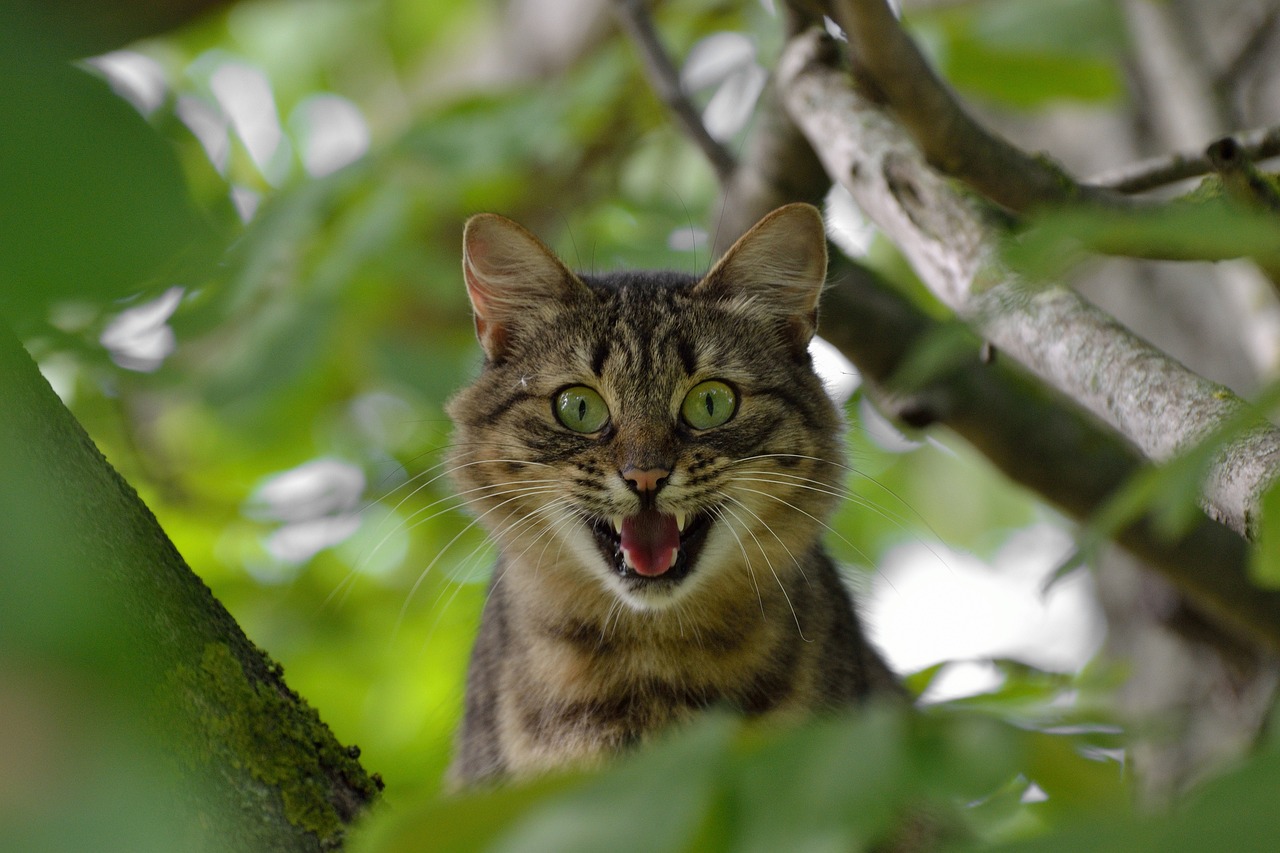
Understanding the symptoms of aggression in senior cats provides insights into when to seek veterinary assistance. Common signs include hissing, growling, swatting, or biting when approached. It’s essential to differentiate between benign play behavior and real aggression. For instance, an agitated tail may signal irritation. Additionally, ears laid back and dilated pupils indicate heightened aggression levels. Cats may also exhibit territorial aggression towards other pets or humans, especially in cases of pain or anxiety. Observing changes in their social interactions can be telling; they may withdraw from company they once enjoyed. Such behavioral changes can stem from underlying causes like pain or discomfort related to age-related conditions. Regular interactions are vital to maintain social bonds as they age. Cats feeling threatened may lash out even if their aggression is uncharacteristic. Therefore, if your senior cat displays sudden aggression, prompt veterinary evaluation is crucial. Emotional support is equally important, with reassurance and gentle handling reinforcing trust. Understanding their language helps in managing aggression effectively, leading to enhanced quality of life for your beloved feline.
Addressing aggression effectively takes a multifaceted approach, considering both medical and behavioral aspects. Engaging a veterinarian who understands feline behavior can help tailor a suitable treatment plan. This comprehensive outline takes into account underlying health issues alongside behavioral modification strategies. For instance, if pain management addresses the existing discomfort, the aggressive responses may decrease significantly. Additionally, exploring environmental modifications can be beneficial. Innovative solutions, like pheromone diffusers, provide calming scents that reduce anxiety in stressed cats. Creating safe spaces within your home where they can retreat encourages a sense of security. This transformation may lessen their inclination towards aggression, fostering positive experiences. Proper introductions to new pets or guests contribute to reducing territorial behavior. Gradual exposure allows them to adjust to change without overwhelming them. Implementing consistency in routines can create predictability, essential for senior cats. Adjusting feeding or playtimes helps establish a comfortable rhythm they can rely upon. Remember that patience plays a key role in managing aggression. By offering love, understanding, and a structured environment, you aid your senior cat’s transition into their later years.
Long-Term Management Strategies
Implementing long-term management strategies for aggression in senior cats focuses on preventive care, emphasizing regular health checks and behavioral assessments. Continuous monitoring of your cat’s health can help you catch issues early before they escalate into more serious problems. Maintaining a healthy diet, combined with appropriate exercise routines, ensures they remain physically fit and mentally engaged. Providing mental stimulation through puzzle toys or interactive play can be a wonderful way for senior cats to divert their focus, promoting well-being and relieving stress. Social interactions are also crucial; maintaining positive bonds with humans and pets allows for healthy emotional outlets. Encouraging slow, positive encounters can build relationships rather than promote aggression. Training can also alleviate aggression; utilizing clicker training for positive reinforcement helps redirect aggressive tendencies. Additionally, exploring alternative therapies like acupuncture or massage can provide relief and improve behavior. Understanding that underlying medical conditions often manifest in behavioral changes allows for unique solutions tailored to your cat’s needs. Integrating these aspects supports a holistic approach for their overall welfare while fostering greater harmony within the household.
In managing aggression due to medical conditions, owner education plays an essential role. Understanding the complexities of feline health and behavior promotes compassionate care and better communication with veterinarians. It’s crucial for cat owners to educate themselves about common age-related health issues. Knowledge of potential changes in their behavior can equip owners to act promptly. Resources such as reputable online platforms or local feline behaviorists provide valuable insights and practical advice on recognizing aggressive behaviors. Building a support network with fellow cat owners is advantageous for sharing experiences and developing effective strategies. As information changes, remaining current on trends in feline health care enhances awareness of new therapies or medications that may be beneficial. Always discuss treatment options with your vet, ensuring you’re informed about possible side effects or contraindications of medications. Aggression that stems from medical causes isn’t just a behavioral issue but indicates underlying suffering; thus, addressing it is imperative. The ultimate goal is to understand your senior cat better. Building trust strengthens your bond, enhancing their quality of life, ensuring that challenging behaviors do not overshadow their later years.
Conclusion
In conclusion, recognizing and addressing aggression in senior cats is vital for their well-being. Medical issues are often the root cause of aggressive behaviors, stemming from pain or discomfort linked to age-related conditions. By understanding these medical connections, cat owners can approach their cats with compassion. Continuous veterinary evaluations lead to timely interventions, ensuring a higher quality of life for senior felines. Education about symptoms of aggression empowers owners to act decisively and compassionately, reducing unnecessary suffering for their pets. Incorporating behavioral strategies alongside medical treatment aids in improving their overall temperament. The long-term management of aggression is a structured process requiring commitment and patience. It’s essential to foster a safe and comforting home environment to mitigate aggression and promote socialization. Always remember that change takes time; thus, patience is key. Over time, with understanding and appropriate measures, many cats improve significantly. Building positive experiences enriches their lives tremendously. Senior cats deserve dedicated care that honors their unique needs and helps them navigate their final years comfortably. By prioritizing medical and emotional needs, we foster healthier relationships with our furry companions.