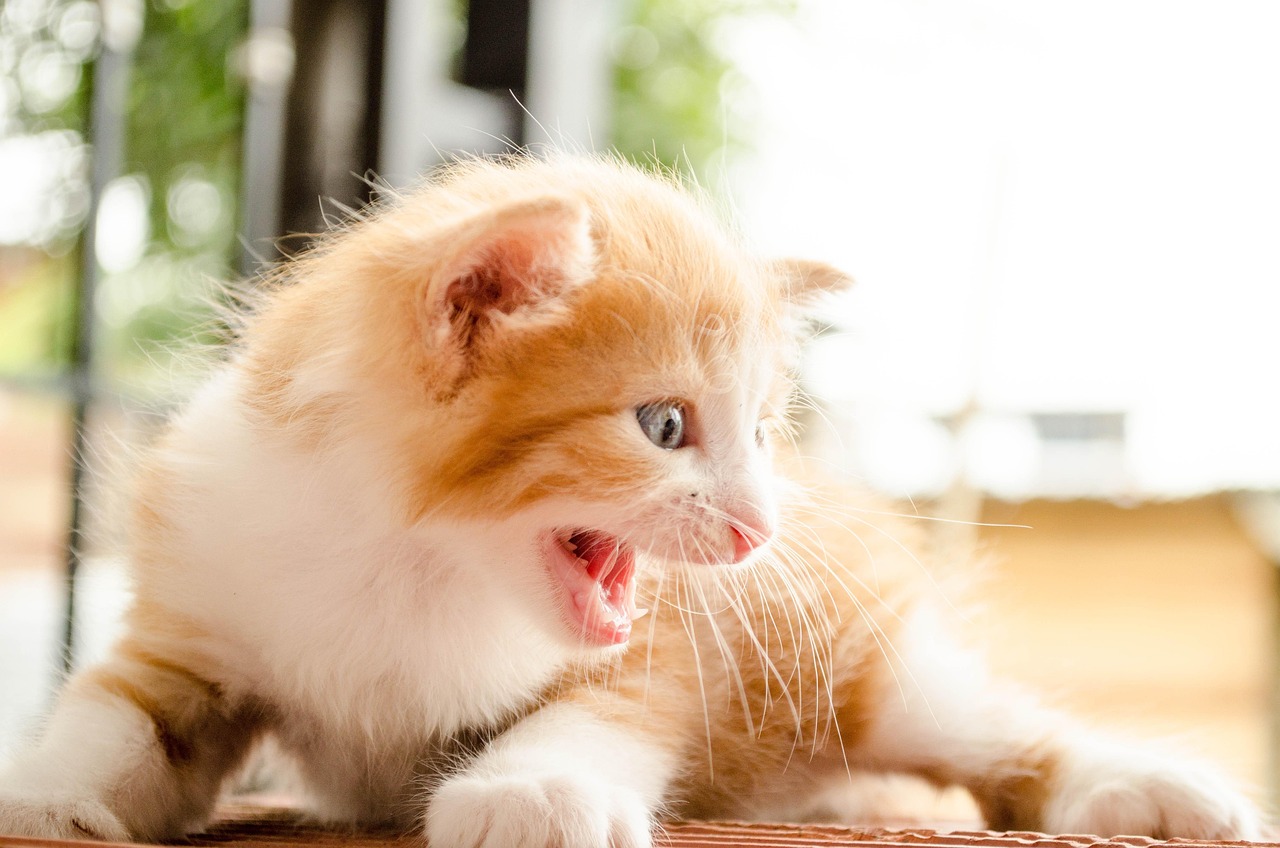

Effective Strategies to Calm Aggressive Cats
Understanding cat aggression is essential for both cat owners and enthusiasts. This unwanted behavior can arise due to a range of factors including fear, stress, or territorial disputes. When your cat shows aggression, it can manifest in various ways: vocalizations such as hissing, swift movements, lunging, or even biting. Recognizing the signs is the first step towards alleviating this behavior. In some cases, aggressive actions may indicate that the cat feels threatened or in danger. Furthermore, previous traumatic experiences can also contribute to heightened aggression. Owners need to approach these situations with compassion and patience. Using effective strategies to soothe aggressive cats is pivotal to ensuring both cat and owner remain safe. Strategies like maintaining a calm environment can help reduce stress. Avoiding direct eye contact during confrontations can ease tension. Additionally, utilizing calming pheromones and comforting sounds may soothe your cat. Learning these techniques can create a more peaceful living arrangement while enhancing your bond with your feline friend. Moreover, it is crucial to seek professional advice when necessary.
Finding the right methods to calm your aggressive cat involves a multi-faceted approach. Assessing the root cause of aggression is vital, as this aids in determining the appropriate resolutions. Environmental changes could be the source of your cat’s discomfort; shifting furniture, introducing new pets, or altering routines can provoke stress. Therefore, re-evaluating your home situation regularly is important. Consistent routine, structured playtimes, and ensuring plenty of visual stimulation can significantly help your cat feel secure. A crucial aspect of dealing with cat aggression is understanding body language. For instance, an arched back and puffed fur typically indicate fear or discomfort. On the other hand, a relaxed body posture shows comfort. Each cat is unique, and their triggers can vary widely. Engaging with interactive toys helps channel excess energy and mitigates aggressive tendencies. In cases where aggression persists, consulting with a veterinarian may be necessary. They can evaluate for possible medical issues that contribute to aggressive behavior. These insights will guide owners toward better strategies, making it essential to be observant of any changes in your pet’s demeanor.
Recognizing Triggers of Aggressive Behavior
Recognizing the triggers of aggressive behavior in cats is essential for effective management. Every cat has unique sensitivities that can prompt them to act aggressively. Some may be fearful of loud noises, while others might react negatively to certain movements or the presence of unfamiliar people or animals. Closely observing your cat’s reactions in various situations helps identify patterns that lead to aggression. This understanding allows for headway into implementing preventative techniques. For instance, if your cat becomes agitated when visitors arrive, preparing them beforehand can ease anxiety. Offering a quiet space or familiar toys can create a refuge during stressful situations. Additionally, utilizing soothing scents such as lavender can alleviate aggression for some cats. Implementing gradual exposure to stressors can also help diminish their aggressive response over time. For example, allowing your cat to see the new pet from a distance can promote a sense of safety. Such strategic introductions are crucial to encouraging calm interactions. Patience and consideration of your cat’s feelings are key components in fostering a peaceful home environment.
Utilizing various calming products can also provide relief and reduce aggression in cats. There is a wide range of products available that can help create a tranquil atmosphere for your feline friend. These include calming collars infused with pheromones, which can help to ease anxiety and stress. Additionally, pheromone diffusers can be particularly useful in promoting a sense of wellbeing throughout your home. Incorporating these products into their environment can help soothe your cat during triggering situations. It’s also beneficial to engage your cat in regular interactive play, as this encourages physical activity while channeling their energy constructively. Engaging toys like feather wands or laser pointers can promote feeling safe and fulfilled. Furthermore, incorporating cozy resting spots and vertical spaces such as cat trees can provide your cat with areas to retreat when feeling threatened. This helps them feel in control of their environment. Regular veterinary check-ups are vital to rule out any underlying medical issues contributing to aggression. Ultimately, combining environmental enrichment with calming products facilitates an overall more relaxed atmosphere.
Implementing Stress Reduction Techniques
Implementing stress reduction techniques can significantly impact your cat’s overall behavior. Creating a calm, predictable environment enables your cat to feel more secure and less anxious. One way to achieve this is through the establishment of daily routines. Cats thrive on predictability, so maintaining consistent feeding and playtimes can minimize stress. Moreover, ensuring that your home is quiet during feeding times can also help create a relaxing mealtime experience. Introducing soft music or white noise can mask sudden sounds that may trigger anxiety. Offering cozy hides and enclosed spaces, like cat caves, allows them to retreat when feeling overwhelmed. Providing these safe spaces contributes significantly to their emotional stability. In addition, utilizing gradual desensitization techniques—where a cat is progressively exposed to stressors—can help them adjust better to their surroundings. Complementary strategies may include scent enrichment, like introducing familiar scents from their early life, providing reassurance. Recognizing and responding to your cat’s vocalizations and behaviors is essential. Understanding their communication allows you to provide the right support, fostering an emotionally healthy cat.
Socialization is another essential aspect of reducing cat aggression; it plays a pivotal role in their overall temperament. Cats that are well-socialized from an early age are often more adaptable and less prone to aggressive behaviors. Introducing your cat to varied experiences, environments, and people helps them become more resilient when facing new stimuli. It’s vital to introduce these interactions slowly and positively, allowing them to explore at their own pace. Reinforcing desired behaviors using treats and praise can turn potentially stressful engagements into positive experiences. For older or less socialized cats, gradual exposure is equally important. You may start with short visits from trusted friends or family members, giving your cat a chance to acclimate. Furthermore, playdates with friendly pets can provide social skills development and help ease territorial instincts. Meanwhile, ensuring their primary needs—such as food, clean litter boxes, and scratching posts—are met contributes to their overall happiness. By cultivating an environment that encourages interaction, you can significantly reduce their likelihood of reactive aggression and foster a happier, healthier pet.
Professional Help and Resources
Seeking professional help is an important step when dealing with a persistently aggressive cat. If your efforts to reduce aggression yield little success, consulting a veterinarian or a certified animal behaviorist can provide valuable insights. They can assess your cat’s behavior in-depth and recommend suitable training or behavioral modification plans tailored to your specific situation. Specialized training techniques can be provided by professionals who understand feline behavior intricately. Furthermore, utilizing online resources and courses can offer useful guidance to cat owners dealing with aggression. Books and videos can provide addition strategies and firsthand experiences that may resonate with your situation. Support groups, both online and in your community, can offer comfort and collective wisdom from fellow cat owners facing similar challenges. Engaging with these resources enhances your understanding and equips you with effective tools. Remember, addressing aggressive behavior takes time and commitment. The goal is to create a peaceful and harmonious environment for you and your pet. Taking steps towards professional guidance is not a sign of failure; instead, it shows dedication towards the welfare of your cat.
Ultimately, managing cat aggression requires patience, understanding, and consistent effort from pet owners. Recognizing the intrinsic link between a cat’s environment and its behavior is crucial. By promoting a calm atmosphere at home, providing social opportunities, and utilizing various stress-reducing techniques, you’ll be on the path to transforming your cat’s aggressive tendencies. Remember that positive reinforcement is critical in encouraging desired behavior changes over time. Every minor improvement in their behavior should be celebrated, reinforcing your cat’s efforts to adapt. Therefore, maintain a compassionate perspective and avoid punishment; it typically exacerbates fear and aggression. The bond between you and your cat can greatly benefit from the trust built through this process. With careful observation and appropriate interventions, owners can foster an environment that minimizes aggression while nurturing a loving relationship. Over time, your efforts will likely yield a more harmonious home, filled with affectionate interactions and reduced stress. Whenever in doubt, prioritize your cat’s needs, and don’t hesitate to consult professionals who can guide you through tougher challenges. In conclusion, understanding and addressing cat aggression is an ongoing process that requires dedication and empathy.