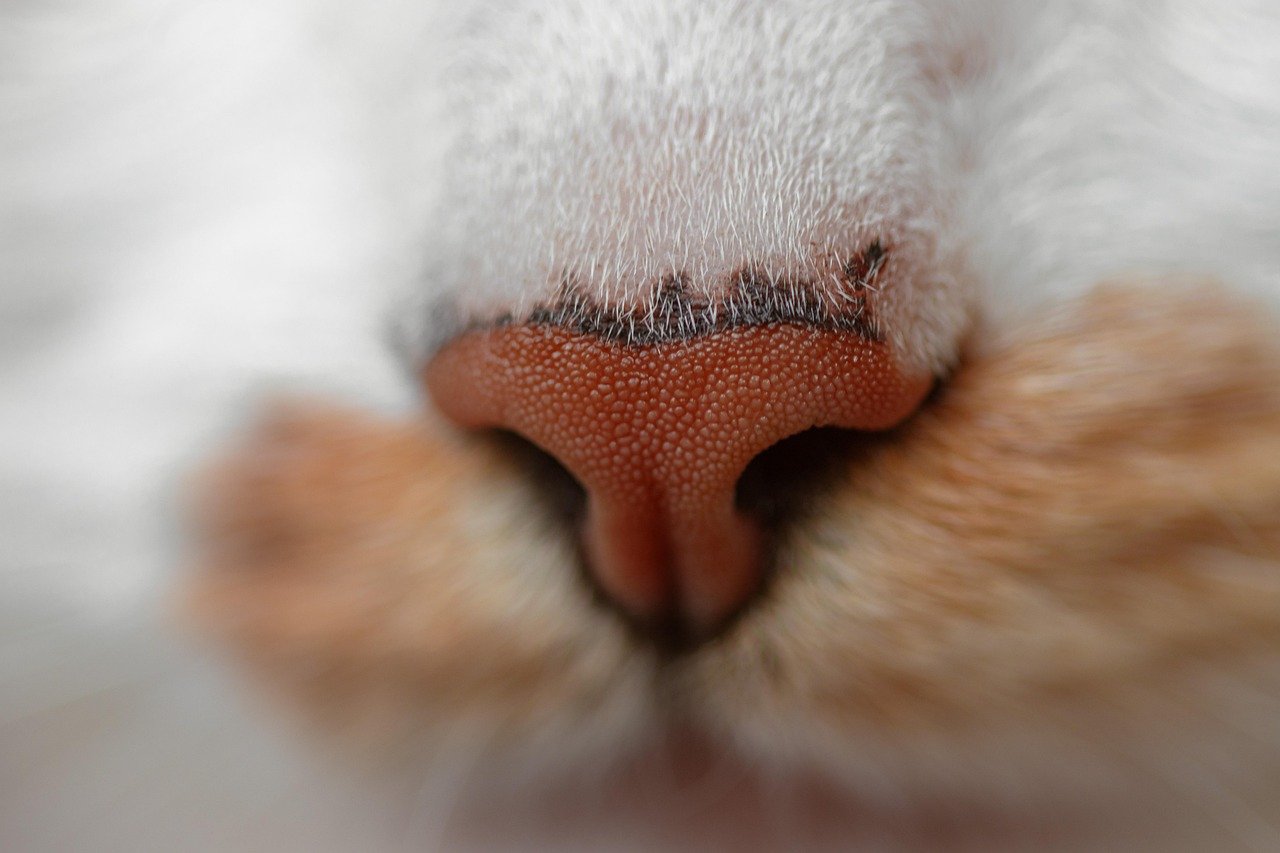

Common Mistakes to Avoid When Photographing Cat Fur Textures
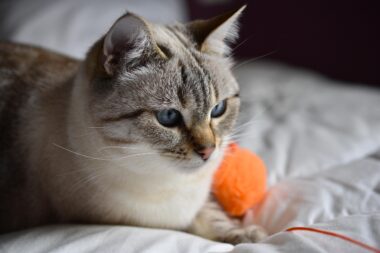
When photographing cat fur textures, many photographers overlook critical details that can significantly affect the final image quality. A common mistake is using inadequate lighting, leading to uneven exposure and muddled colors. Natural light often works best, but be aware that harsh sunlight can create unwanted shadows. Instead, opt for soft, diffused sunlight or artificial light from softbox setups. Another misstep is not utilizing the right camera settings. Ensure your camera is set to an appropriate aperture to achieve a crisp focus on the fur while creating a beautiful bokeh background effect. It’s also essential to consider the ISO settings to avoid grainy images. Experiment with different settings until you find the perfect balance. Composition is equally important; always pay attention to framing the cat in an appealing manner. Use the rule of thirds for a more dynamic shot. Lastly, patience is crucial—wait for those moments when the cat moves in just the right way, revealing the delightful texture of its fur, which adds depth and interest to your photos. Always be ready to click at the right moment, capturing the essence of your feline model.
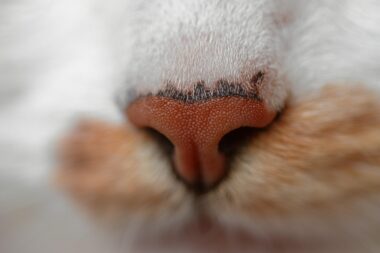
Another frequent mistake photographers make is failing to clean the camera lens before a shoot. Even tiny smudges or dust can compromise image clarity since this impacts the overall quality. Make it a habit to regularly clean your gear to avoid unsatisfactory results. In addition, ensure that your focusing technique is precise, as consistent sharpness is vital for showcasing fur details effectively. Utilizing an autofocus system that accurately tracks your subject will help, but manual focus can also come in handy in certain situations. Once you’ve captured your images, be cautious with post-processing techniques as they can easily ruin the natural beauty of the fur. Over-editing photos can render them unrealistic, leading to an artificial appearance. Instead, aim for subtle corrections that highlight the fur’s texture without compromising integrity. Develop your skills in color correction tools while being mindful of maintaining natural hues and tones in the final image. To ensure the highest quality output, shoot in RAW format, allowing greater flexibility during editing while preserving original detail. These adjustments and techniques will elevate your cat fur photography effectively.
Framing Your Subject
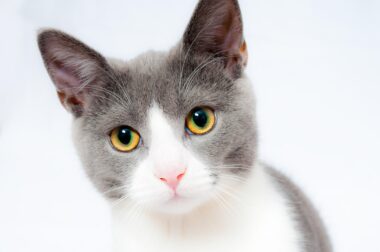
When it comes to cat fur photography, composition plays an important role in the process. Many people new to taking pictures of pets often forget that angles can dramatically affect the perception of the image. Shooting from a lower angle, at the cat’s eye level, can create an engaging perspective. This approach enhances the subject’s personality while allowing you to capture the stunning details of their coats more effectively. Be conscious of the background as well; busy scenes can distract from the cat’s fur textures. Opt for simple and uncluttered backgrounds to make your subject pop. Additionally, consider the use of negative space, which can enhance the visual appeal of the photo. It allows viewers to concentrate on the intricate details of the fur itself. A well-composed shot not only showcases the cat’s unique features but also can evoke an emotional response from the audience. Explore various compositions and styles, perhaps even experimenting with close-ups and full-body shots to provide variety in your images. Each framing decision can contribute to telling a unique story about the cat’s fur and personality.
Lighting considerations are vital for capturing stunning cat fur textures. Poorly lit conditions can diminish the vibrancy and color richness of the fur. Many photographers make the mistake of thinking that any light source is sufficient. Instead, experiment with reflectors to enhance light and avoid unwanted shadows on the fur. Diffusion panels can also soften harsh lighting, creating a gentle effect that highlights texture beautifully. Pay attention to the direction of your light source; side lighting can create shadows that accentuate the fur’s texture, adding depth to your photos. Another tip is to capture the cat when they are relaxed, such as while they are napping or playfully grooming themselves. These circumstances tend to highlight the beautiful patterns and colors in their fur without interruption. Don’t forget to try dramatic backlighting; this technique can create a glowing effect around the contours of the fur. Such experimentation with your light settings will facilitate high-quality imagery that portrays the remarkable details in your subjects. Incorporating good lighting practices will enhance the overall aesthetic of your cat photography project.
Attention to Grooming
Prior preparation before a photoshoot is key when it comes to photographing cat fur textures. Many people overlook the importance of grooming their feline companions prior to a session. A cat’s coat should be clean and free of tangles for the best results. Spend some time brushing their fur, ensuring it appears as polished and radiant as possible. When a cat’s fur is well-groomed, it enhances the overall quality of your photographs, allowing the textures to shine through. Additionally, check for stray fur or lint that may cling to their coat. Considering the right environment is just as crucial as grooming; choose locations that present contrasting backgrounds to emphasize the fur colors efficiently. Indoor spaces should have neutral backdrops to avoid overwhelming the subject. Remember, the cat should feel comfortable in whatever setting you choose; this not only strengthens their bond but also results in better photographs. Look for areas where the cat enjoys spending time, as these moments often yield the most candid, detailed shots of their fur. Patience during this preparation can produce remarkable photographic outcomes.
Avoiding common mistakes involves continual learning and practice. Each shoot will teach you something new about your technique and approach. Reflect on past photo sessions where things didn’t go as planned; this self-criticism can drive your improvement forward. Join online forums, photography groups, or classes to share your work and gain valuable feedback from peers. This community engagement is incredibly beneficial for growth and inspiration. Also, dedicate time to study the works of successful photographers recognized for their cat imagery. Analyzing their styles, techniques, and compositions can offer you insight into what makes effective photos. As you advance your skills, consider creating a portfolio showcasing your best cat fur images to track your progress. It serves as motivation to refine your techniques further. Don’t shy away from experimenting either; different styles of photography can lead you to discover unique ways of capturing cat fur textures. Embrace challenges as opportunities for innovation; letting your creativity flourish will ultimately improve your overall photographic journey with cats.
Conclusion
In conclusion, avoiding mistakes when photographing cat fur textures rests upon preparation, practice, and precise techniques. By ensuring clean lenses, adequate lighting, and appropriate camera settings, the quality of your photographs will greatly improve. Pay attention to how you frame your subjects, focusing on angles and composed backgrounds that allow the texture to take center stage. Groom your cats thoroughly before each session for outstanding results. Learn continually through feedback and by observing others in the field, adapting your skills as you grow. Remember to capture their essence by being patient, resulting in images that truly showcase their individuality and stunning fur details. Celebrate the art of cat photography by persistently honing your approach to improve continually. Each moment spent photographing your feline companions can yield delightful surprises, revealing the enchanting grace of their fur through your lens. This art form allows you to capture the beauty and personality inherent in each cat, potentially forming a deeper connection between you and your subjects. By employing these strategies, prepare to elevate your photography skills and enjoy a fantastic journey in this rewarding domain.
It is important to stay inspired when embarking on this photographic endeavor. Explore creative methods to showcase your cat’s features convincingly. Each paw swipe, purr, and flick of the tail can inspire a captivating shot waiting to be taken. Your unique interpretation of cat fur can lead to mesmerizing photographs that resonate with viewers. Use everyday moments of play or sleep to capture charming expressions and textures. Let curiosity guide you to explore various settings, capturing your cat in natural habitats whether it’s indoors or outdoors. Pay attention to seasonal changes of lighting and colors around your photography spaces. You may even discover that certain times of day yield the best outcomes! By embracing these principles and aligning them with a steady commitment to continual improvement, you’ll find that your cat photography evolves into something truly extraordinary, capturing remarkable textures and enchanting character tied tightly to feline friends. In doing so, you contribute to a visual tale that cat lovers and photography enthusiasts alike will appreciate. There’s no denying that combining craftsmanship, creativity, and personal touch with your passion can yield amazing results in cat fur photography.