
Identifying Skin Tumors Through Grooming Sessions
As a pet owner, it’s crucial to pay close attention to your cat’s skin during grooming sessions. Regular grooming is an excellent opportunity to check for unusual changes that could indicate skin issues or tumors. These changes might include lumps, bumps, and discolorations that require immediate attention. Tumors can appear in various shapes and sizes, making it important to use grooming as a proactive strategy. Look for any new growths or changes in the texture of your cat’s skin. Always handle your cat gently to avoid causing stress. If you discover anything unusual, consider discussing it with your veterinarian for expert advice. Early detection of skin tumors can lead to better treatment outcomes and can reassure you regarding your cat’s overall health. Regular grooming not only keeps your cat looking good but also serves as a preventative measure against serious health issues. Keep your grooming tools clean and sharp, as this aids in effective trimming. Grooming together strengthens the bond between you and your cat, making the process a routine experience for both of you. Remember to reward your cat after grooming to create positive associations with the process.
Once you become familiar with your cat’s skin health, it becomes easier to identify concerning signs during grooming. Common tumor types include benign growths such as lipomas and malignant ones, which can be more damaging. When evaluating your cat, it’s essential to assess the area around the lesions carefully. Tumors may feel firm or soft to the touch, forcing you to determine if the growth is cautioned. Mark the area if you’re unsure and seek veterinary advice to ensure proper monitoring. Besides checking for lumps, also observe your cat for any signs of discomfort, scratching, or licking at the affected areas. Regular check-ups with a veterinarian should complement grooming efforts. Having knowledge about your cat’s skin conditions means you can act quickly. Your vigilance can help determine the nature of any skin issue, guiding your discussions with your veterinarian. If necessary, photos can be taken to document the progression of the skin issues you discover. This often provides your vet with more insight during consultations.
Signs of Skin Tumors
Observe your cat for symptoms that may indicate skin tumors or growths developing. Symptoms such as abnormal swelling, changes in fur texture, or bald patches are all red flags that should prompt further examination. Pay attention to how your cat behaves; increased scratching or attempts to bite the area could indicate irritation or pain associated with a tumor. Observing other symptoms such as weight loss, lethargy, and changes in appetite may also reveal more serious underlying conditions beyond just skin tumors. When you groom your cat, check for any changes to the size of existing lumps or any new lumps that develop. This ongoing observation can play a crucial role in early identification of tumorous growths, which is key to successful intervention. If your cat exhibits any signs of skin lumps that appear suddenly or change in size over a short period, it’s essential to consult your vet immediately. Early detection can significantly influence treatment options and your cat’s long-term health status, so don’t underestimate the power of routine grooming in keeping your feline friend healthy.
Understanding the various types of skin tumors that can affect cats is beneficial. Tumors can be classified as either benign or malignant, each having differing treatment paths and implications. Notably, squamous cell carcinoma is one of the most common malignant tumors observed in cats. Frequently affecting areas with limited fur, like the ears and nose, early identification is crucial. Fortunately, many benign tumors do exist, and while they may require monitoring, they are not life-threatening. Reliable sources on feline health are available through veterinary associations or comprehensive online resources. Always make sure the sources you refer to are credible, as misinformation can adversely affect your pet’s care. By partnering with your veterinarian, you can create a personalized plan for monitoring your cat’s skin condition over time. Awareness of categories and factors helps prepare you as you groom your cat. Regular discussions with your vet about findings during grooming can ensure that potential problems don’t go unnoticed. Keeping records of any changes you observe during grooming will also enhance your veterinarian’s ability to provide effective treatment should a tumor develop.
Grooming Techniques for Better Detection
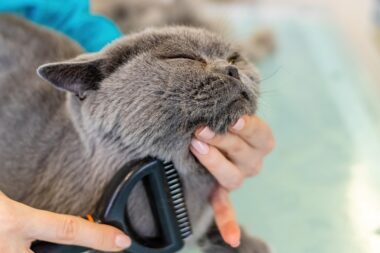
Using proper grooming techniques can improve your ability to detect issues early. Start by brushing your cat’s coat gently to eliminate tangles and find hidden abnormalities. Focus on areas where blood flow is strong, as tumors are sometimes more accessible in these regions. Utilize tools that enhance visibility such as fine-tooth combs and grooming gloves that have a texture and allow for better skin contact. Gently run your hands over the skin on the head, neck, body, and legs to feel for any inconsistencies. When identifying skin tumors, consistency is key; set aside a regular time to observe and note any changes. Establishing a routine strengthens your bond with the cat and promotes tranquillity during grooming. You can also reward your cat after each session, reinforcing a positive grooming association. Keep an eye on your cat’s behavior and seek veterinary assistance if any unusual patterns emerge. The grooming period is a perfect opportunity to enhance the routine’s effectiveness through proper techniques. Educate yourself on how your grooming contributes to maintaining your cat’s overall health, including monitoring its skin condition effectively.
After a grooming session, keeping a watchful eye on your cat’s skin condition is essential. Some tumors may not present immediate spikes in symptoms, so regular check-ins are crucial. For example, you may notice subtle changes in texture or color that can indicate emerging issues. Any growth that does not recede or seems to change should be taken seriously. Recording findings in a dedicated notebook might assist in tracking your cat’s skin changes over time. If something alarming comes up, you can provide your vet with this information for informed decision-making. Strategic communication with your veterinarian ensures they can catch any potential issues. Ensure to follow recommended vet visits after any troubling observations. Tracking changes can ensure timely diagnoses and potentially life-saving interventions. Recognizing variations in skin health means you’re acting as your cat’s first line of defense. Don’t hesitate to engage proactively when addressing suspicious lumps or markings. Recommendations from veterinarians remain essential in guiding your actions going forward. Prioritize your grooming sessions to include observation and care in delivering the best possible outcomes for your feline companion.
Veterinary Follow-Up Care
Maintaining follow-up care after identifying potential skin issues is imperative. Your veterinarian may recommend diagnostics such as cytology or biopsies to evaluate the growth further. Depending on the findings, treatment options may include surgical removal or observation, depending on the type of tumor identified. Ensure you thoroughly discuss treatment options during your visit. Understanding the necessity and potential implications of the procedure ensures you can make informed decisions regarding your cat’s health. Always remember to ask questions regarding possible side effects from any proposed treatment strategies. Providing your veterinarian with a complete history of your cat’s skin issues can help create a robust health plan tailored specifically for your pet. Additionally, following a suggested care routine post-treatment can significantly impact healing and recovery. Keep tracking your cat’s healing process to ensure that any abnormal growths do not return or worsen. Your diligence in spotting issues and maintaining follow-ups can help facilitate early intervention should problems arise. Remember, staying engaged in your cat’s health journey plays an influential role in ensuring its well-being. Stay proactive, and your kitty will thrive under your nearly watchful care.
Documenting your observations in a journal after each grooming session can benefit you greatly. Noticing even subtle shifts in your cat’s skin condition can help identify changes early on. Over time, this documentation can provide your vet with valuable insights into your cat’s health journey. Take notes on specific areas where you’ve noticed changes or mention notable behaviors associated with those spots. You can also include considerations revolving around grooming products that might cause reactions. When discussing these details with your vet, they will gain a better picture of potential issues. This method strengthens the bond between you and your cat, as it shows your commitment to its health. Daily grooming routines not only maintain cleanliness but become a platform for vigilance against skin tumors. With this approach, you’re ensuring your feline friend enjoys a comfortable life while staying healthy and clean. Your level of engagement nurtures an overall atmosphere of trust and care. Ultimately, it is a partnership between you and your pet, enhancing your grooming sessions and keeping them a delightful experience. Your attentive efforts of observation create a seamless balance in maintaining your cat’s skin health while ensuring peace of mind for you both.