
Identifying Skin Tumors Through Grooming Sessions
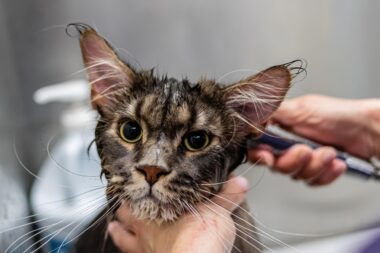
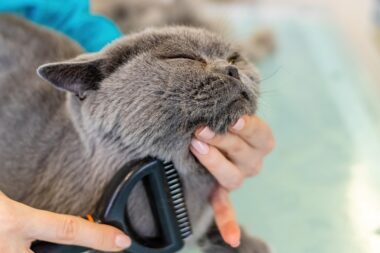
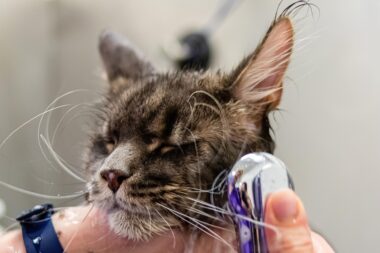
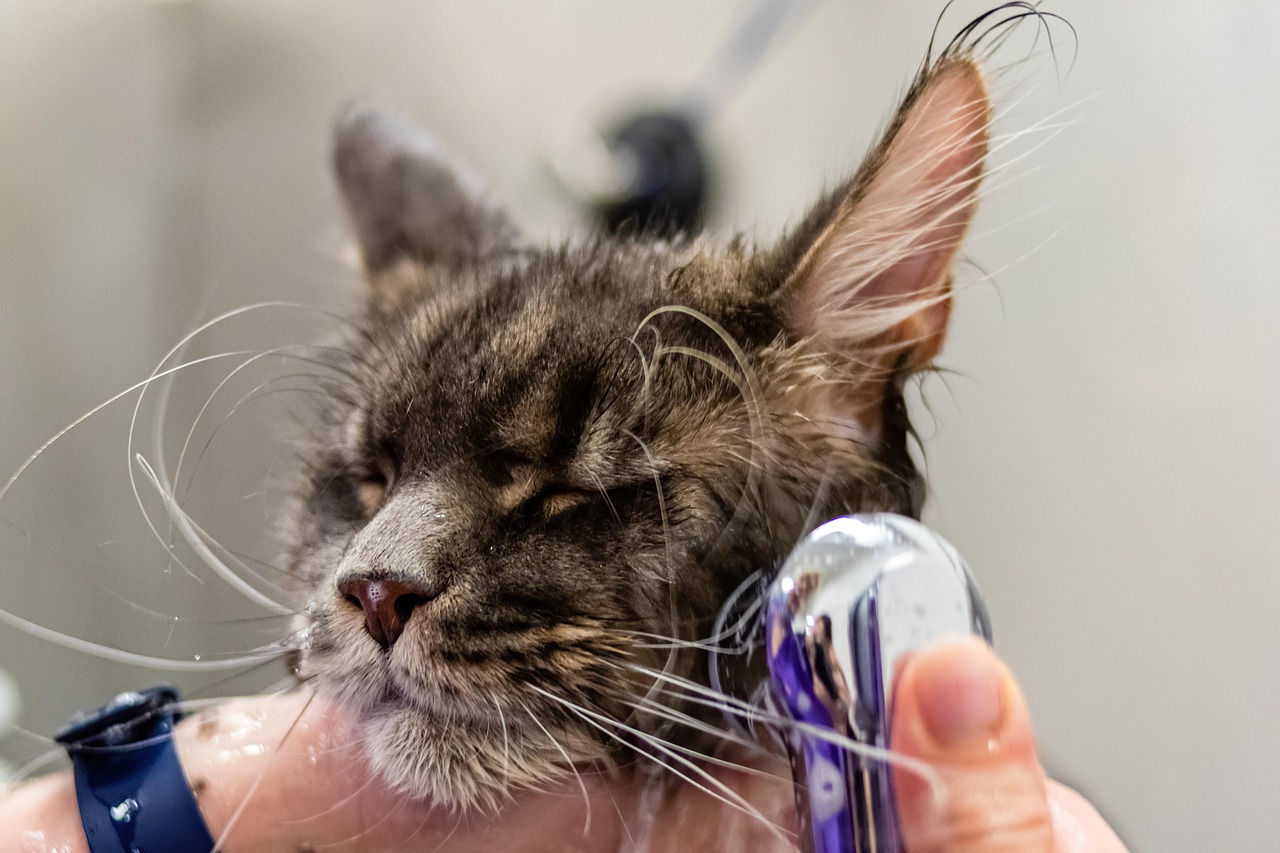
Grooming sessions provide an excellent opportunity to monitor your cat’s skin health closely. During these sessions, you can observe any changes in their skin or fur texture. Detecting skin tumors or lumps early can significantly impact treatment outcomes and your cat’s overall well-being. It’s essential to familiarize yourself with the normal texture and color of your cat’s skin to notice any abnormalities quickly. Pay attention to areas often missed, such as behind the ears, under the belly, and between the toes. Gently parting the fur with your fingers can also reveal hidden issues. If you notice any unusual bumps or changes in skin color, it’s important to consult a veterinarian promptly. These small tumors can sometimes indicate more severe health issues. For proper grooming, use tools that are suitable for your cat’s specific coat type and be gentle to avoid discomfort. Regular grooming shouldn’t just be a routine chore; it should be a means of connecting with your cat while caring for their health. By integrating vigilance into these grooming sessions, you are acting in your cat’s best interest.
In addition to the tools used for grooming, learning how to properly examine your cat during the grooming process is crucial. When checking for skin tumors, carefully inspect various parts of the body, especially areas that are often neglected. Look for signs like swelling, discoloration, or irregularly shaped growths. Tumors can manifest in various ways, including being firm or soft to the touch. Be attentive to any changes in your cat’s behavior during grooming, such as flinching or vocalizing, which may indicate discomfort. Discuss any findings with your veterinarian for further inspection. It may sometimes require a biopsy to confirm whether a growth is malignant. Regular interactions during grooming establish trust between you and your cat. This bond encourages your pet to remain calm and cooperative, which will allow you to conduct these necessary checks effectively. Make the grooming sessions enjoyable by incorporating treats or play into the routine. Remember that your cat’s comfort is essential; if they are anxious, it may hinder your ability to check for skin tumors thoroughly. Visibility and touch are vital in detecting potential issues early.
Signs of Skin Tumors to Look For
Being observant is key during grooming when it comes to identifying skin tumors. Some signs may include the presence of lumps or bumps that weren’t there previously. Skin tumors can vary in size, shape, and texture; thus, it’s helpful to know your cat’s baseline appearance. Many tumors may feel hard, but some might appear softer or fleshy. Discoloration of the skin surrounding a growth may also be an indicator of a more severe issue. Observe closely for any changes, such as irritations or changes in fur growth around the area of a lump. Additionally, fluid-filled sacs or sores that don’t heal could also be problematic. You should also monitor your cat for signs of itching or irritation, as skin tumors may cause discomfort. Cats often groom excessively in response to irritation, disrupting your ability to perform a thorough check. If you notice any of these signs, consult your vet immediately for an accurate diagnosis and treatment options. Regular grooming not only helps keep your cat’s coat looking pristine but can potentially save their life by facilitating early detection.
Prevention is always the best measure when looking to maintain your cat’s overall health. Regular veterinary visits are important because a professional can offer advanced methods for screening for skin cancer, among other things. During these check-ups, the veterinarian will help assess the overall health of your cat’s skin, identifying any tumors or irregularities that may not be apparent during regular grooming. Besides checking skin health, professional grooming might also help spot skin tumors earlier than expected. Vets have specialized training and experience in identifying potential issues, making it essential to rely on their expertise. You should also ensure that your cat is up to date on vaccines and flea treatments, as some parasites can contribute to skin irritations mimicking tumors. A balanced diet can also enhance your cat’s skin and fur health, helping to keep tumors at bay. Quality grooming products can further support skin health, as the wrong products can lead to irritation, possibly complicating skin conditions. By integrating these prevention strategies into your routine, you can be proactive rather than reactive when it comes to your cat’s skin health.
Communicating with Your Veterinarian
Being prepared when visiting your veterinarian can significantly enhance your cat’s health outcomes. In addition to providing a general history, ensure you communicate any specific concerns you have noticed during grooming sessions. Document any odd behaviors, changes in skin appearance, or other relevant observations to provide your vet with a comprehensive overview. This documentation can assist the vet in making a more accurate diagnosis and formulating an effective treatment plan if necessary. If your cat has developed tumors, report any changes in the size or characteristics of these lumps, as such changes can guide treatment types. Furthermore, understanding the differences among various types of tumors can aid in communication with your veterinarian. There are benign and malignant growths, and knowing which your cat may be affected by helps assess the situation. Be open about your concerns—the clearer the communication, the faster a solid plan can be constructed to manage your cat’s health effectively. This partnership will ultimately lead to better care for your feline friend, reducing potential stress for both you and your pet.
Incorporating regular grooming sessions into your cat care routine serves not just to enhance their appearance but also safeguards their health. Detecting skin tumors through careful observation during these sessions can provide the edge needed for early intervention. Always schedule veterinary visits to ensure that any potential issues are professionally assessed. Make grooming a pleasant experience for your cat with gentle handling and positive reinforcement strategies like treats and praise. Furthermore, explore different grooming tools designed for various cat fur types to find what works best for your pet, as proper tools can suggest signs of skin issues. Regularly examining under coats or hard-to-reach areas is necessary for a comprehensive health check. If tumors are found, understanding the next steps can ease the journey ahead. Knowledge is power; stay informed about the common types of skin issues affecting felines. A proactive approach, combined with loving care, creates an effective strategy for maintaining your cat’s skin health. Remember, your vigilance during grooming is an essential factor in safeguarding your pet’s well-being.
Conclusion and Final Thoughts
Finding skin tumors during grooming underscores the importance of awareness and vigilance. Regularly grooming your pet should be viewed not only as an aesthetic duty but as a vital health check. Regular examination complemented by veterinary advice forms a comprehensive strategy for your cat’s care. Always prioritize health over beauty when caring for your cat. When in doubt, seek professional help to ensure any significant concerns are addressed. In this partnership between pet and owner, communication remains essential. Keep a record, be observant, and don’t hesitate to discuss any nature of concern with your veterinarian. The responsibility of cat care encompasses far more than regular grooming; it includes fostering a knowledgeable and aware bond that prioritizes health. The earlier any irregularities are detected, the greater the chance of a successful treatment leading to better health outcomes. Through proactive grooming habits and effective communication, you can ensure your feline friend remains energetic and healthy. Advocating for their care ultimately means providing the love and attention that every cat deserves. Embrace the grooming process as an opportunity for bonding and health checks.