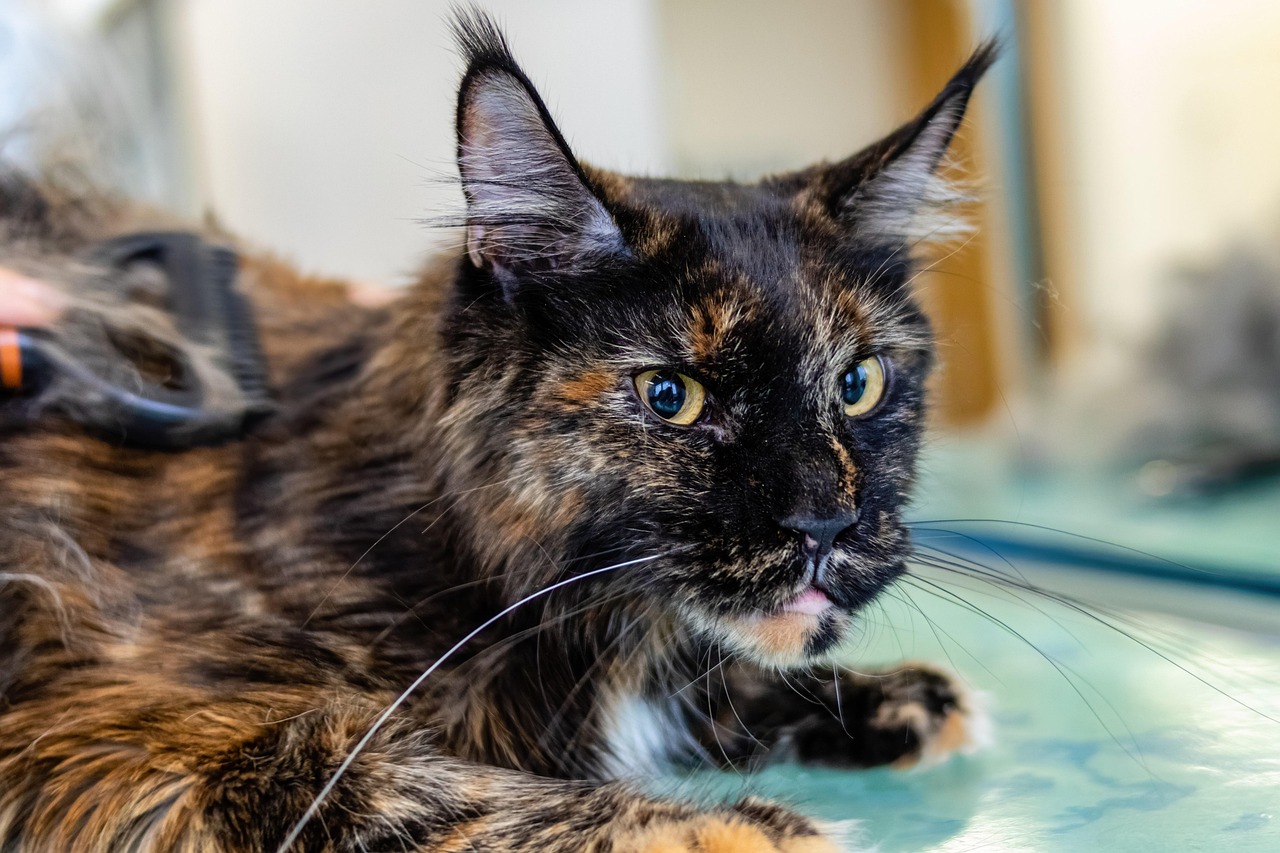

The Role of Regular Grooming in Managing Cat Allergies
Understanding cat allergies is crucial for pet owners, particularly those with allergic reactions to cats. Allergens primarily consist of proteins found in cat saliva, skin, urine, and dander. These proteins can trigger reactions such as sneezing, itching, and even asthma in sensitive individuals. Regular grooming plays a significant role in minimizing exposure to these allergens. By brushing your cat, you can effectively reduce the amount of loose hair and dander circulating in your home. Additionally, bathing your cat occasionally can help wash away these allergens from its fur, making the environment more comfortable for allergy sufferers. It is essential to establish a consistent grooming routine tailored to your cat’s specific needs. Certain breeds may require more frequent grooming due to their longer or denser fur. Keeping your cat groomed not only helps with allergens but also promotes healthier skin and coat. This attentive care can lead to fewer skin irritations and matting, which often trap allergens. Invest in quality grooming tools such as brushes and hypoallergenic shampoos. This proactive approach can greatly enhance the health and well-being of both your cat and your household.
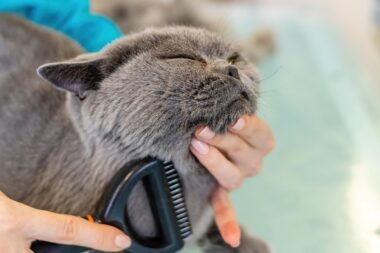
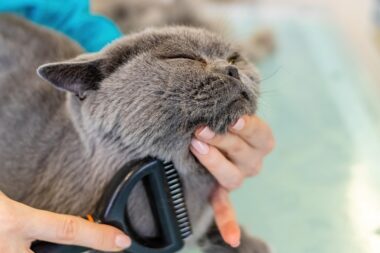
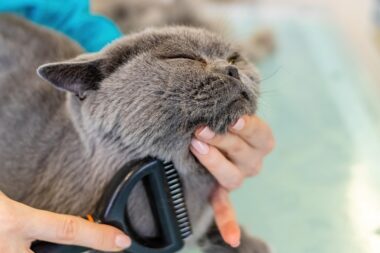
In addition to reducing allergen levels, regular grooming strengthens the bond between you and your cat. Cats are social animals that thrive on interaction with their owners. Grooming time can serve as an opportunity to relax and connect with your feline friend. Cats often respond positively to gentle grooming, associating it with comfort and affection. This bonding time can enhance your relationship while providing necessary care. While grooming provides many benefits, it’s crucial to understand your cat’s comfort levels. Some cats may be more tolerant of brushing or bathing than others. Start slowly by gradually introducing grooming tools and techniques. Pay attention to your cat’s body language, and stop if they show signs of stress or discomfort. Positive reinforcement through treats and praise can encourage your cat to enjoy grooming sessions. Consider using specific tools designed for sensitive cats as well. Thus, grooming can transform from a chore into a delightful routine. Furthermore, a well-groomed cat is often easier to manage when it comes to veterinary visits or travel. Remember, the more comfortable your cat is at home, the more resilient they will be in different situations.
Choosing the Right Grooming Tools
When managing cat allergies, selecting the right grooming tools becomes essential. The correct brushes can help effectively remove loose fur and dander while maintaining your cat’s coat health. Different types of brushes serve various purposes; for example, slicker brushes are excellent for removing mats and tangles in long-haired breeds, while rubber bristle brushes work well for short-haired ones. Additionally, consider using grooming gloves for a more interactive experience. When shopping for grooming tools, look for those that are specifically designed for your cat’s fur type and sensitivity. Choosing hypoallergenic and non-toxic products can also prevent potential reactions during grooming. Alongside brushes, certain combs can help detangle hair and distribute natural oils, keeping your cat’s coat shiny and healthy. Fur shedders can also be valuable in reducing shedding and consequently, allergens in your home environment. Regular maintenance of these tools is vital; clean them after sessions to eliminate any trapped allergens. A well-groomed, healthy cat not only reduces allergic reactions but also displays improved overall health. Make grooming an enjoyable experience by integrating toys and treats into the routine, rewarding your cat for its cooperation.
When embarking on a grooming regimen, it’s important to establish a regular schedule that fits both your and your cat’s lifestyle. For many cat owners, a weekly grooming session may suffice, while others with long-haired breeds may need to groom daily. Observe your cat’s reaction to determine what works best. Over time, your cat can adapt to the grooming routine, making the process smoother and more efficient. It’s advisable to keep grooming sessions short, gradually increasing their duration as your cat becomes more comfortable. Keeping calming music in the background or creating a serene environment can further ease any anxiety your pet may have during grooming. Consider incorporating treats or playtime following a grooming session to create positive associations. After a grooming session, remember to clean your living space thoroughly to minimize residual allergens. Vacuum with HEPA filters to trap dander effectively, ensuring that your home remains a safe haven for allergy sufferers. Some cats may also benefit from specialized dietary supplements supporting their coat and skin health, enhancing natural defenses against allergens. Always consult your veterinarian before introducing new diet or grooming routines.
Proper Bathing Techniques
Bathing your cat may seem daunting, yet it can be valuable for managing allergies. Regular baths can significantly reduce allergens and create a healthier living environment. Before starting, gather necessary supplies, including a gentle, hypoallergenic cat shampoo and a non-slip mat for the bathtub. Ensure the water temperature is comfortable; too hot or too cold may stress your cat. Cats are often apprehensive about baths, thus it’s critical to acclimate them beforehand. Gradually introduce the tub by allowing your cat to explore it at their own pace. Praise and reward positive behavior to help foster familiarity. Using a gentle sprayer or cup, wet your cat’s fur thoroughly while being cautious around the ears and face. Massage the shampoo into your cat’s fur, ensuring it reaches the skin to eliminate trapped allergens. Rinse thoroughly to ensure all shampoo is removed to avoid irritation. After bathing, quickly towel-dry your cat, and consider using a blow dryer on a low, cool setting if they tolerate it. Explore natural alternatives for bathing if your cat resists water, such as hypoallergenic cat wipes that clean their coat without water.
Another essential aspect to consider when managing cat allergies through grooming is the importance of frequent vacuuming and cleaning. Regularly vacuuming carpets, upholstery, and other surfaces helps remove dander, fur, and other allergens that may have settled. Utilize a vacuum with a HEPA filter designed to trap allergens effectively. It is crucial to be thorough, as allergens can linger on surfaces long after grooming. Dust and wipe surfaces frequently to further minimize allergen buildup within your home. Consider utilizing air purifiers with HEPA filters to continuously improve the air quality in spaces where your cat spends time. This can drastically reduce allergen levels while maintaining a comfortable environment for allergy sufferers. Maintaining cleanliness not only benefits those with allergies but also contributes to your cat’s overall health. Bacteria and irritants can accumulate in unclean spaces, potentially affecting your feline’s skin and coat. Additionally, ensure that your cat’s bedding is washed regularly with hypoallergenic detergents. This practice can keep your cat more relaxed, impacting their willingness to participate in grooming sessions positively. The combination of regular cleaning and grooming is essential in managing cat allergens for the well-being of both your pet and family.
Monitoring Your Cat’s Skin Health
Regular grooming also allows you to monitor your cat’s skin for potential issues. Allergens can irritate the skin, leading to problems such as excessive scratching, redness, or even infections. By establishing a routine, owners can catch early signs of skin issues, preventing them from becoming more severe. Inspect your cat’s skin regularly during grooming sessions, focusing on areas prone to irritation or matting. Note any changes, such as bald patches or unusual bumps, and consult your veterinarian if you notice any concerns. This proactive approach not only helps with allergens but also promotes your cat’s overall well-being. Keeping your cat’s skin healthy is crucial for preventing allergies from causing additional problems. Additionally, some breeds may be predisposed to skin conditions; understanding your cat’s genetic background can inform your grooming routine. Remaining observant while grooming allows you to maintain your cat’s health. Effective grooming can significantly reduce allergens through careful observation of your cat’s condition, enhancing overall comfort. Engaging with your vet can provide insight into specialized grooming techniques, diets, or treatments that may further support your cat’s skin health.
In conclusion, the importance of regular grooming in managing cat allergies cannot be overstated. Finding the right balance of grooming, cleaning, and monitoring can create a harmonious living environment for both your cat and allergy sufferers. Establish a routine that suits your lifestyle and your cat’s needs, ensuring both comfort and health. By minimizing allergens through grooming, owners contribute to their cat’s physical well-being while also improving the comfort of family members. Engage in grooming sessions as bonding time, and remember the importance of quality tools and proper techniques. Be mindful of signs of allergies or skin issues, taking the necessary steps for prevention or treatment. Staying consistent with these practices can lead to happier pets and a healthier home. As always, consult your veterinarian for personalized advice tailored to your cat’s unique circumstances. Incorporating these practices into your cat care routine will undoubtedly enhance their quality of life. Cherish the special bond you cultivate during grooming, as it promotes trust and love. Understanding how grooming directly impacts allergies empowers cat owners to create a safe and joyful environment for their furry companions.