
Exploring Black and White Macro Photography of Cats
Macro photography of cats is a fascinating realm that allows us to explore the intricate details of our feline friends. Capturing these details in stunning black and white adds a profound artistry to the images. This style emphasizes textures, patterns, and expressions that might be overlooked in color photographs. It invites viewers to appreciate the beauty and complexity of cats, showcasing their unique features such as whiskers, fur, and the captivating textures of their eyes. To effectively embark on this journey, one needs the right tools and techniques. A macro lens is essential for capturing detailed shots from close proximity. Consider using a tripod to stabilize your camera and prevent motion blur while focusing on those micro details. Lighting plays a significant role, as well; natural light or diffused artificial light can highlight the cats’ features wonderfully. Patience is key while photographing cats since they might not always pose for the perfect shot. Try to become familiar with their behavior for the best results. Overall, black and white macro photography of cats promises to unveil dimensions of their beauty that can profoundly connect with viewers.
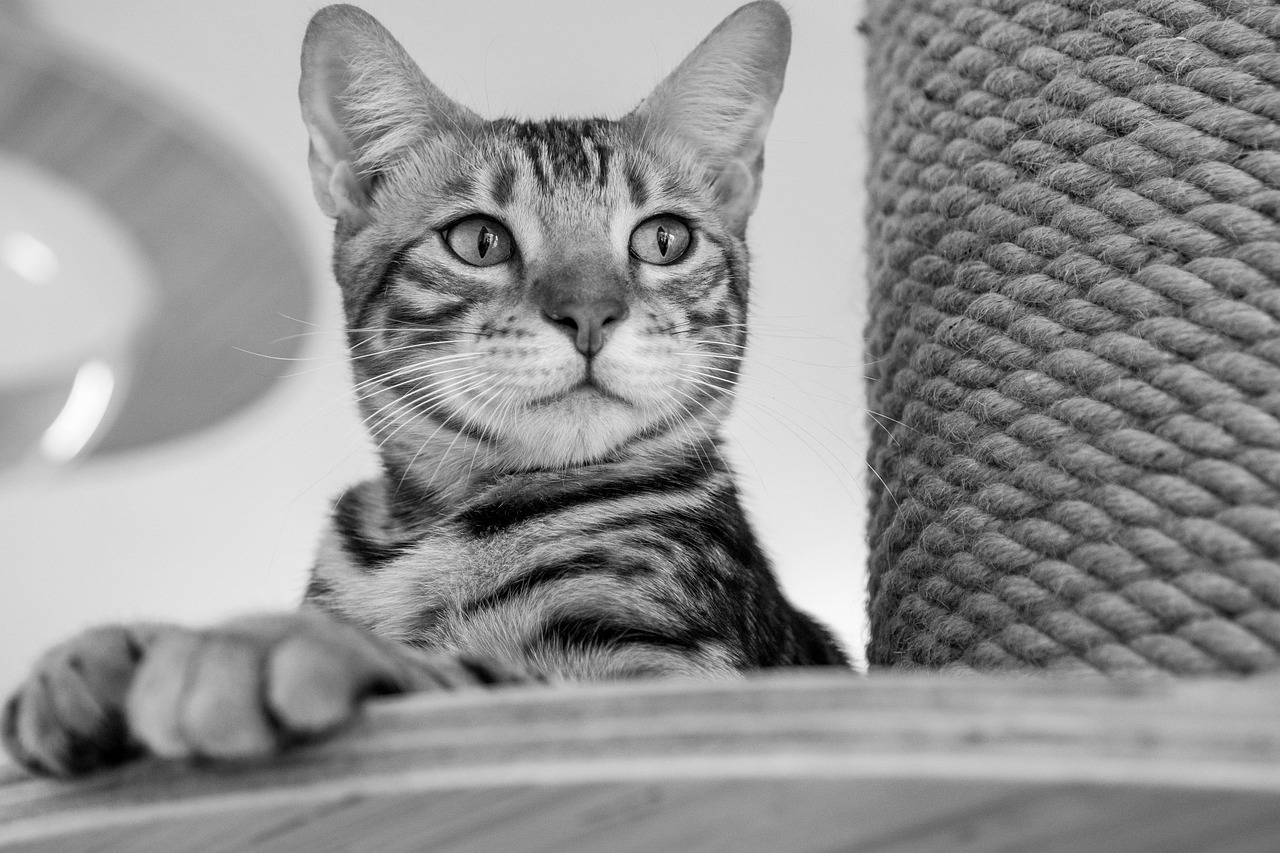
Before you begin capturing striking black and white macro photographs of cats, it’s crucial to plan your approach. This involves understanding both your subject and the techniques you’ll be using. The first step is to familiarize yourself with your cat’s habits. Cats are naturally curious and often playful, making it easier to capture spontaneous moments. You may want to observe them in their daily routines to find those candid shots when they least expect it. Setting up your shooting environment can significantly affect your results. Ensure that you have a clean background to minimize distractions that might take away from the cat’s features. Using a seamless backdrop can help isolate the subject beautifully. When ready, experiment with different angles and perspectives; a low angle can emphasize a cat’s stature and presence. Additionally, using a shallow depth of field can draw attention to the cat’s eyes while blurring the background. After capturing your images, the editing process is paramount. Converting images to black and white allows you to control contrasts, enhancing textures and elements that define your composition. This can transform a simple photo into a breathtaking artwork.
Techniques for Capturing Inspiration
Using proper techniques is vital when specializing in black and white macro photography of cats. Focus can play a crucial role in macro photography since it helps in conveying the emotions and behavior of these expressive creatures. One technique worth exploring is the use of natural light. Depending on the time of day, the light can create soft shadows and highlights, enhancing textures without harshness. A diffuser can also be employed to soften light, while reflectors can illuminate the subject effectively. Moreover, pay attention to your settings; manually adjusting your aperture and shutter speed can lead to creative outcomes. A lower aperture value allows for a blurred background, further isolating your subject. Don’t be afraid to experiment with various focal points as well—this can lead to striking, unusual compositions. You can even explore post-processing techniques to elevate your black and white photos. Adjusting levels and contrasts not only emphasizes textures but can transform your image into a stunning masterpiece. Learning different techniques and honing your skills will undoubtedly enhance your photography portfolio.
Lighting transforms black and white macro photography of cats, adding depth to photographs. Natural light is preferred, yet artificial light can be used creatively. Early morning or late afternoon provides soft light extending shadows, adding a magic dimension. Conversely, harsh midday sun can wash out details. Experiment with different positions and angles to achieve different effects. An umbrella or softbox can diffuse artificial light and create softer shadows, allowing more definition in textures. Pay attention to the cat’s fur and eyes, as perfect light showcases their details. The whiskers, in particular, create dramatic visual movements, so orchestrating your light accordingly is vital. Additionally, using backlighting ensures that the edges of the cat’s figure appear more prominent, emphasizing contours in black and white, creating intrigue. To further enhance lighting effects, utilize reflective surfaces or colored gels that can produce stunning backgrounds. However, avoid overexposure, which can eliminate essential details. Proper exposure control will yield rich tones in your image without losing detail. In contrast, adjusting contrast during post-processing can be effective in amplifying emotional tones within your photographs while emphasizing textures.
Editing Techniques for Stunning Results
Post-processing can elevate black and white macro photos, enhancing aesthetics and clarity. Basic adjustments such as exposure, contrast, and brightness can notably alter images. Programs like Adobe Lightroom and Photoshop offer user-friendly tools to enhance your captured photographs. One effective method is employing the ‘Curves’ tool, allowing detailed control over tones; you can manipulate highlights, mid-tones, and shadows to create depth. Consider the visual rhythm of your photographs; make sure they’re pleasing and engaging. Experimenting with filters can also bring various artistic results. A sepia filter can introduce warmth, while high-contrast edits can define your cat’s details boldly. Additionally, dodging and burning techniques highlight specific areas and enhance textures around the eyes, nose, and whiskers. When editing, remember the seamless transition between light and shadow can evoke emotion and interest. In photography, composition is vital, so explore cropping techniques that streamline your image, removing excess distractions. Lastly, look out for distractions that often go unnoticed; removing any clutter enhances your overall frame. Editing is where your artistic vision is expressed, thus reflecting your unique perspective.
Black and white macro photography of cats has gained popularity, resulting in an ever-expanding community of enthusiasts. Communities online, such as dedicated forums and social media groups, allow photographers to share their work and seek feedback. Engaging with fellow photographers fosters creativity and improves techniques, as you can share tips and support each other’s artistic endeavors. Participating in challenges and themed assignments helps push your creative boundaries. By exploring diverse styles through others’ work, you can enhance your vision and develop a unique voice. Reviewing successful portfolios inspires you and motivates continuous improvement. Remember to build a strong presence on platforms like Instagram or 500px, as these visuals can attract a dedicated following. Networking with photographers can also lead to fruitful collaborations or even mentorship opportunities. Showcasing your best macro pieces allows potential clients to see your skills. Join exhibitions or local art shows to gain exposure and credibility within the community. As you share your passion for cats and photography, you’ll likely create lasting relationships with like-minded individuals, ultimately contributing to your artistic journey.
Conclusion: The Beauty of Black and White Cat Photography
Black and white macro photography of cats captures not only artistic beauty but also emotional connections between subjects and viewers. By isolating details and creating contrasts through this striking technique, photographers can engage their audience on a deeper level. Analyzing and embracing these qualities is essential for those interested in this genre of photography. As you experiment, remember that patience and practice are necessary to hone your skills. Take your time assessing lighting, composition, and post-processing techniques to ensure every shot is effectively captured. When you engage in macro photography, explore your creativity by experimenting with unique angles, textures, and setups. Document your journey to see your growth over time; this can serve as motivation for future projects and inspire improvements. Furthermore, photography is inherently subjective, often reflecting personal views and sensitivity to one’s subject. Evaluating feedback from trusted peers can provide new insights and lead to enriching developments in your art. Embrace all these aspects, along with the joy of capturing your furry friends in their most charming and captivating moments. Your black and white images will leave lasting impressions.
Macro photography of cats is a fascinating realm that allows us to explore the intricate details of our feline friends. Capturing these details in stunning black and white adds a profound artistry to the images. This style emphasizes textures, patterns, and expressions that might be overlooked in color photographs. It invites viewers to appreciate the beauty and complexity of cats, showcasing their unique features such as whiskers, fur, and the captivating textures of their eyes. To effectively embark on this journey, one needs the right tools and techniques. A macro lens is essential for capturing detailed shots from close proximity. Consider using a tripod to stabilize your camera and prevent motion blur while focusing on those micro details. Lighting plays a significant role, as well; natural light or diffused artificial light can highlight the cats’ features wonderfully. Patience is key while photographing cats since they might not always pose for the perfect shot. Try to become familiar with their behavior for the best results. Overall, black and white macro photography of cats promises to unveil dimensions of their beauty that can profoundly connect with viewers.