Feline Behavioral Therapy: Incorporating Hydration Strategies
Hydration plays a crucial role in the overall health of cats, significantly impacting their behavior. Cats are prone to urinary issues, which can develop if they do not consume enough water. A well-hydrated cat tends to exhibit more positive behaviors. On the other hand, dehydration can lead to lethargy, aggression, and other undesirable behaviors. It is essential to provide your feline friend with adequate hydration to support optimal behavior. A cat that drinks enough water is likely to have better digestion and lower stress levels. Cats are often not very good drinkers due to their evolutionary history and preference for moist foods. Hence, it is crucial to encourage them to drink water consistently. Behavioral therapy can significantly benefit from strategies that enhance hydration, forming a comprehensive approach towards improving the cat’s emotional state. Consider portable water bowls or fountains, as they attract cats with their flowing water. Additionally, offering wet food is a great way to increase their water intake. Be sure to monitor their hydration habits closely.
Understanding Cat Behavior
Understanding cat behavior is critical in terms of improving their mental health. Cats communicate through their body language, vocalizations, and even actions they take. Environmental factors also contribute to their emotional well-being. A cat who is feeling stressed may be more reclusive or less friendly towards humans and other pets. Stressors include lack of environmental enrichment, changes in household dynamics, and health issues, including dehydration. Recognizing these signs allows cat owners to address underlying causes, including hydration needs. A hydrated cat is more likely to stay active and engaged in interactive play. Playing with your cat can improve their mood while increasing hydration through our bonding time. Cats often exhibit behaviors closely tied to their need for hydration and food. For example, cats that are feeling low on fluids may become more aggressive or irritable. It helps to provide a stimulating environment, so they feel inclined to explore and drink more. Overall, addressing hydration in combination with behavioral understanding can lead to a happier, healthier feline companion in your home.
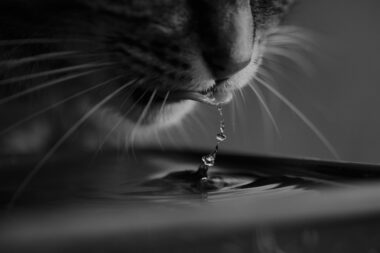
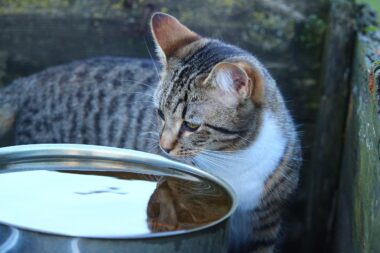
To promote hydration effectively, creating a positive drinking environment is important. Placing multiple bowls of water throughout your home can encourage your cat to drink more often. Cats tend to prefer running water, so investing in a cat water fountain might be another effective hydration strategy. The sound of flowing water attracts them, motivating them to drink. Furthermore, changing the water frequently ensures both freshness and cleanliness. Remember, bowls should be made from non-toxic materials to ensure safety. Alongside providing fresh water, incorporating wet food into your cat’s diet can significantly aid hydration efforts. Packaged appropriately, wet food often contains high water content, contributing to overall fluid intake. Another appealing option is homemade fish or chicken broth. Ensure it is free from salt and additives. Some cats also enjoy ice cubes in their water bowl, providing an additional water source while providing a playful activity. Pay attention to your cat’s preferences to identify the methods they respond to best. Ultimately, incorporating hydration strategies can prevent many health and behavioral issues related to dehydration for your feline friend.
Hydration and Stress Reduction
Recent studies indicate a strong correlation between hydration and stress levels in cats. Just like in humans, dehydration can lead to heightened anxiety and frustration in pets. When cats experience stress, they might withdraw, show aggression, or even develop litter box aversion. As they respond negatively to stressors, it is imperative to address their hydration needs promptly. The first step is closely monitoring your cat’s water intake. It helps to establish a routine where they have constant access to clean, fresh water to foster a sense of security. Additionally, creating a hydration-rich diet will improve their mood significantly. Encouraging interactive play with water-related activities can make drinking more enticing. Moreover, ensuring your cat has comfortable, safe spaces helps lessen stress, making them more inclined to hydrate adequately. Spin dropping chunks of ice in their water bowl can make drinking more fun! Remember that stress can come from various sources, including changes in the household environment or new pets. Observe your cat’s behavior during such changes to ensure you’re addressing their hydration and emotional needs comprehensively in these challenging situations.
In addition to regular bowls of water, many cat owners are exploring creative options to increase hydration. Offering ice cubes or frozen treats can provide your feline with a refreshing experience while ensuring fluid intake. This not only quells thirst but also serves as a playful activity, enhancing their engagement. Moreover, cats often enjoy licking water off surfaces, so occasionally wetting their favorite toys or using an interactive water toy can further entice them to drink. A motivating approach is to make a game out of drinking, encouraging adoption of hydration as part of playtime. Another interesting method is implementing a water schedule wherein specific times are dedicated to introducing fresh water, reinforcing its availability and importance. Consistency will lead to increased familiarity, and ultimately, better hydration habits. Your cat may also enjoy elevated food and water stations, adding variety to how they eat and drink. Be attentive to changes in their drinking habits, as changes may indicate underlying health issues. Keeping your cat hydrated encourages healthier behavior patterns, leading to a better quality of life overall.
Monitoring Hydration Levels
Monitoring your cat’s hydration levels should be a part of responsible pet ownership. Observing your cat’s drinking habits can provide insights into their overall health. If you notice your cat drinking significantly less than usual or showing signs of dehydration, there are steps you can take. Common signs of dehydration in cats include sunken eyes, dry gums, and lethargy. In such cases, it is vital to consult a veterinarian for advice. One way to help ensure your cat remains hydrated is to conduct a skin turgor test. Gently pinch the skin on the back of your cat’s neck; it should retract quickly when released if adequately hydrated. Additionally, when managing hydration, track how much water your cat is drinking each day. An appropriate amount varies depending on weight and activity levels but can be observed over time to establish norms. Encouraging water consumption is essential, but monitor for consistency. If changes arise, consult with an expert for personalized guidance. Proactively addressing hydration concerns can prevent various health-related issues while promoting better behaviors in our feline friends.
Overall, hydration is a critical component of feline behavioral therapy that should not be overlooked. Careful attention to hydration levels will not only promote better drinking habits but also enhance the overall well-being of your cat. Implementing hydration strategies like offering multiple water sources, incorporating wet food into their diet, and engaging in fun water-related activities can truly make a difference. Each cat is unique in its preferences, so remain attentive to what works best for your furry friend. Remember, collective strategies address hydration issues while significantly improving mental health. As you begin to notice your cat feeling better emotionally and physically, you may witness a shift in their behavior. They may become more playful, sociable, and relaxed. This ripple effect of hydration strategies can lead to a fulfilling and engaging experience for both you and your feline companion. Moreover, taking these steps not only contributes positively to their emotional health but helps strengthen your bond. A happy cat is a healthy cat, and by focusing on hydration, you provide them with the best chance at a fulfilling life filled with happiness and companionship.
Conclusion
In conclusion, providing adequate hydration for cats is vital for their mental health, behavior, and overall well-being. A multifaceted approach, including various hydration options, can lead to happier and healthier feline companions. Ensure your cat has access to fresh water at all times, and consider ways to make drinking more enjoyable and engaging. Your active participation in monitoring their hydration will ultimately enhance their quality of life. As you implement hydration strategies, observe the positive changes in their personality and behavior. Cats are sensitive creatures that benefit from pet owners who are attentive to their needs. An environment that prioritizes hydration can prevent health concerns linked to dehydration while reducing anxiety-causing behaviors. Whether you choose cat fountains, ice cubes, or wet food, each strategy adds to the overall improvement of their behavior. Remember that every cat is unique; customization of hydration techniques is critical to promoting better behavior and emotional health. Take the time to connect with your feline friend and explore what hydration methods resonate with them. In doing so, you’ll be well on your way to incorporating hydration strategically into feline behavioral therapy.