
How to Combine Muzzles and Restraints for Safe Dog First Aid
During emergency situations, ensuring the safety of both the dog and the caretaker is paramount. Incorporating muzzles and restraints can prevent injury to yourself and others. When dogs are in pain or frightened, they may bite unexpectedly. Employing muzzles made specifically for this purpose can be beneficial in avoiding potential bites. A properly fitted muzzle should allow the dog to breathe normally, drink water, and even pant. Additionally, it is crucial to know how to apply a muzzle correctly. Adjustable muzzles are typically more forgiving, as they can fit various breeds. Always ensure that you have a muzzle on hand while engaging with a new or unfamiliar dog. Restraints complement muzzles in keeping the dog stable during procedures or examinations. Many different types of restraint tools exist, such as leashes and harnesses. While selecting the appropriate tool, always consider the dog’s size and temperament. Gradually introducing muzzles and restraints to dogs in non-threatening settings is equally crucial, allowing the dog to acclimate before experiencing an emergency. This familiarity can contribute to the dog’s overall comfort and cooperation.
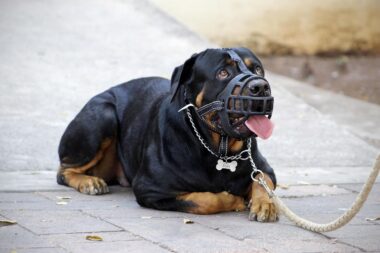
Understanding various types of muzzles and their appropriate uses can enhance a dog’s first aid experience. Basket muzzles are ideal for emergencies, allowing dogs to breathe freely while preventing biting. These muzzles are often constructed from durable materials and provide comfort if fitted correctly. Fabric muzzles may be suitable for quick application for less aggressive or anxious dogs. However, they can restrict airflow and are not advisable for prolonged use. Avoid using muzzles that constrict the mouth, as they pose a risk during emergencies. Reinforcing positive associations with muzzles can help dogs adapt smoothly to wearing them. Offer treats when muzzles are introduced, making it a fun experience for the dog. For quick application, it’s wise to keep a muzzle nearby, preferably in a dog’s first aid kit. When selecting a muzzle, always ensure it’s the right size for your dog’s breed, taking measurements if needed. In volatile situations, having the right resources on hand can make a difference. Furthermore, practicing putting on the muzzle allows for a less stressful scenario if a real emergency arises. Practicing regularly can ensure both the owner and canine are prepared.
Utilizing restraints effectively can simplify providing first aid to injured dogs. Restraints help to keep dogs calm and still during examinations or treatments. Proper equipment can include a sturdy leash or a specialized dog harness that limits movement. Before applying restraints, ensure the dog is in a comfortable and secure environment. This approach can ease the stress of the situation. Understanding your dog’s temperament is critical. Some dogs may resist restraints more than others. Gradually introducing these tools during positive interactions can create familiarity. Once the dog is accustomed, applying restraints during emergencies will become more straightforward. Proper positioning can also minimize anxiety in the animal, ultimately allowing for better treatment. Always review safety protocols to minimize the risk of injury to both the dog and the handler during procedures. Step back and assess the situation before making any decisions when the dog is agitated. Strive to engage the dog’s senses positively during stressful events, utilizing treats and praise effectively. In addition, remain calm as your energy will significantly influence your dog’s behavior. Consistency and familiarity can make a difference in how well the dog responds.
How to Safely Combine Muzzles and Restraints
Combining muzzles and restraints requires careful consideration to ensure effectiveness without causing discomfort. Often, muzzling a dog can evoke anxiety, so practicing beforehand is essential. Start by introducing the muzzle in a calm setting, allowing the dog to explore it. Gradually apply the muzzle while offering treats, reinforcing positive behaviors. Once the dog is comfortable, introduce the restraint method. A leash attached to a harness can help keep a dog still while being muzzled. For larger breeds, consider using a restraint that minimizes their movement yet provides safety. The combination should keep the dog at ease and prevent any aggressive reactions. Be mindful of the dog’s body language; it can indicate when the dog feels secure or threatened. Properly fitted muzzles and restraints can ease tension for the dog and owner. Using these tools will enable more accurate care in emergencies, facilitating quick assessments and treatments. Ensuring the equipment does not restrict breathing is critical; regular checks can prevent complications. With practice, the relationship between the dog and the handler can improve, leading to a smoother handling experience during emergencies.
When selecting muzzles and restraints, ensure high-quality materials for durability and effectiveness. Proper manufacturing usually guarantees safe usage, as poor-quality materials can lead to hazards. Check for reliable brands known for creating comfortable and strong dog products. Research reviews and seek recommendations from canine professionals. Health care professionals, trainers, and veterinarians may have valuable insights on effective muzzles and restraints. Be aware of your dog’s specific breed characteristics, as certain breeds may have unique requirements. For instance, brachycephalic breeds need specialized muzzles due to their distinct facial structures. Ensure that the products you’re using adapt well to your dog’s needs and body type. Consider practicing with the tools you select ahead of time. Strive for a relaxed environment where the dog can feel secure and see the tools positively. Mix short training sessions with praise and rewards to enhance acclimatization. Muzzles and restraints can be integrated seamlessly into a dog first aid routine with patience and diligence, ultimately easing both the dog’s and the handler’s burdens during emergencies. Effective tools significantly contribute to a safe and efficient environment for any canine-related first aid situation.
Emergency Situations with Dogs
Being prepared for potential emergencies with your dog can significantly impact first aid procedures. Situations like injuries from accidents or aggressive encounters can arise unexpectedly, challenging any pet owner or handler. Having muzzles and restraints readily accessible makes handling these crises manageable. Educating yourself about the first signs of distress in dogs provides insight into when to use muzzles and restraints. Recognizing unusual behavior, vocalizations, or defensive actions can signal an impending reaction. Prepare a first aid kit that includes muzzles and effective restraint tools to eliminate delays during emergency situations. Stock your first aid kit with additional essentials, such as antibacterial ointment and bandages. Keeping an updated list of emergency contacts, including local veterinarians, is also wise. This list should be accessible in one location. In cases requiring immediate medical attention, calmness is vital to successfully navigate emergencies. Both you and your dog must remain composed amidst the chaos. Your dog will react to your demeanor, making it critical for you to exhibit a reassuring presence. Familiarize yourself with various first aid procedures appropriate for your dog’s specific needs and conditions.
To conclude, combining muzzles and restraints forms an integral aspect of dog first aid. Being prepared, practicing controls, and understanding how to use these tools effectively can enhance the safety and comfort of your dog during emergencies. Always prioritize your dog’s well-being alongside your safety. Start by selecting appropriate muzzles and restraints that fit your dog’s breed characteristics well. Investing time in practice sessions helps build trust and confidence between you and your dog. Encourage positive associations with the equipment, using treats, praise, and courage to ease their anxiety. Understanding how to respond to your dog’s unique needs can greatly improve the care you provide. Staying informed about their behaviors and stresses will empower owners to create a supportive environment. As emergencies can come without warning, being equipped with knowledge and the right tools is crucial. Being ready with a well-stocked first aid kit can save valuable time when reacting to situations. Making these practices a routine reinforces your bond with your pet. This preparedness promotes a safer experience for you and your furry friend during any unforeseen emergencies.
Ultimately, mastering the combination of muzzles and restraints requires dedication and commitment. Emphasizing safety throughout your dog’s life leads to greater peace of mind as a pet owner. The path to success comprises gaining knowledge, skill, and empathy towards your canine companion. A thorough understanding of both tools’ purposes and proper usage will enhance your ability to care for your dog. Engaging in training sessions with your dog strengthens your bond while developing lifelong trust. By ensuring your dog routinely experiences muzzles and restraints positively, future emergencies will be more manageable. Preparations through continuous learning and practices will benefit both the dog and owner. Always be vigilant and aware of your dog’s changing needs and situations, adapting as necessary. Safety should always be the priority when addressing emergencies involving dogs; proactive measures pave the way for confidence during stressful times. Regular check-ins with canine behavioral experts might also enhance your understanding. Establishing a consistent, positive response plan helps create a more harmonious relationship between you and your pet. Utilizing muzzles and restraints effectively can indeed transform the experience of canine first aid while fostering a safe environment.