
How to Incorporate Jump Training into Your Dog’s Exercise Routine
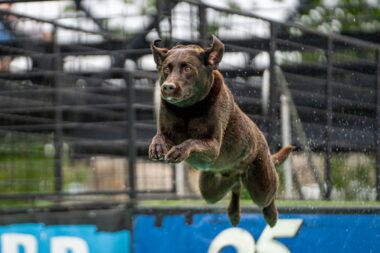
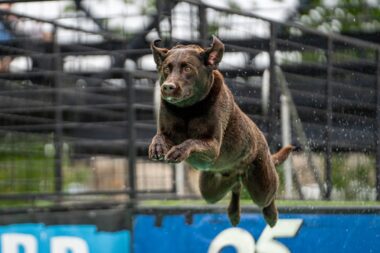
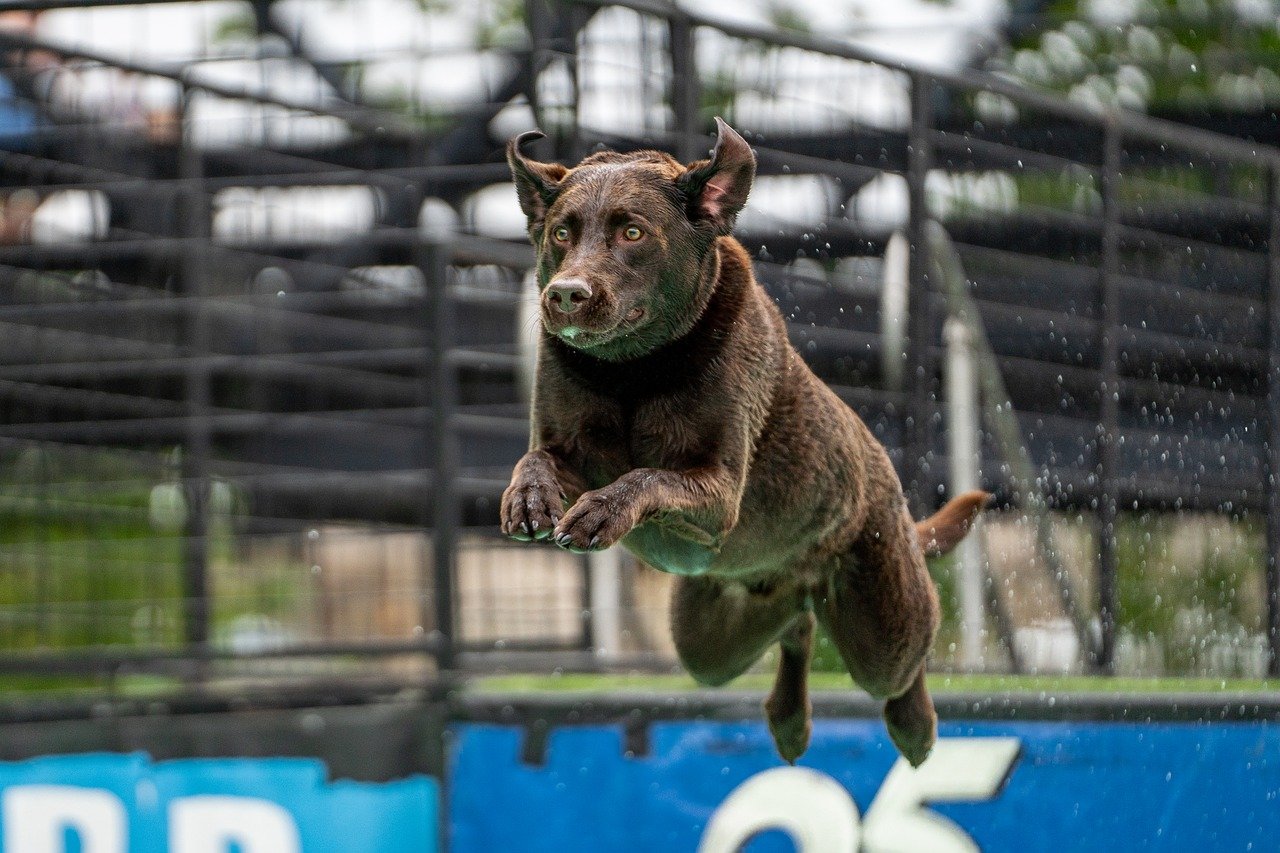
Jump training is a fun and engaging way to keep your dog active while enhancing their agility. Start with basic commands to establish control during training sessions. Use treats to encourage your dog to jump over low obstacles on command. Gradually increase the height of hurdles as they become comfortable. Always ensure safety by choosing soft surfaces, avoiding potential harm during practice. Remember that jumping can be demanding. Hence, warm-up exercises are vital to prepare your dog’s muscles. Incorporate commands like ‘jump’, ‘over’, or ‘hurdle’ to clarify expectations. Consistent commands help your dog grasp the action you want them to perform. Using positive reinforcement, praise, and treats motivates your furry companion. Mix up your training routine to prevent boredom, keeping your dog engaged and excited. Vary your jumping patterns to challenge them mentally and physically. Adding agility equipment such as cones or hoops can diversify the experience. Always monitor your dog’s fatigue levels and adjust accordingly. Listen to your dog’s needs, ensuring they enjoy their exercise without overexerting themselves. Lastly, always end on a positive note.
Building a Foundation: Basic Commands for Jumping
Before diving into jump training, it’s essential to establish a solid foundation through basic commands. The ‘sit’ and ‘stay’ commands are vital in teaching without distractions. Begin with your dog on a leash in a calm environment. Command them to ‘sit’, allowing them to focus on you before initiating jumping exercises. After a few successful ‘sits’, introduce the ‘jump’ command. Hold a treat above their head, prompting them to leap upward gently. Gradually elevate the treat, encouraging them to jump higher. Likewise, employ the ‘come’ command after they land to reinforce their position during jumping. Using a consistent tone will aid in their learning process. Clear visual cues are equally important; hand gestures can help facilitate understanding. When your dog successfully performs the command, reward them immediately to reinforce positive behavior. Repeat these exercises regularly to strengthen their capability. Consistency is vital, as dogs thrive on routine. Sustaining your enthusiasm during training will captivate their attention. The more enjoyable the experience, the more engaged your dog will become. Transition to physical obstacles only once your dog masters the initial commands.
Incorporating jump training into your dog’s routine offers numerous physical benefits. Regular exercise is crucial for a dog’s health, and jumping provides an excellent cardiovascular workout. With proper training, jumping enhances their coordination and balance, improving their overall agility. As dogs age, maintaining joint stability with low-impact exercises becomes essential. Jump training fulfills this requirement while keeping their joints in good condition. Additionally, it helps prevent obesity, a prevalent issue in sedentary pets today. Engaging your dog with jumping challenges fosters mental stimulation while promoting a fit, healthy lifestyle. The exercise is naturally exciting, which will encourage your fur baby to participate willingly. It can also improve their confidence, fostering a strong bond between you and your dog. Choose a variety of surfaces for practice, such as soft mats or grassy areas, to keep sessions enjoyable and safe. Always monitor your dog’s response to the activity and adapt to their limits. Obeying their fatigue signals is paramount for maintaining health and enthusiasm during training. Engage in jump training several times a week to keep them in peak condition while exploring different agility techniques regularly.
Fun and Creative Jump Training Techniques
To keep your dog engaged during jump training, mix in fun and creative techniques. Consider using toys to create a playful atmosphere, enhancing enthusiasm towards jumping. Invest in colorful, lightweight agility equipment. Items like hoops or hurdles intriguingly challenge your dog while promoting exercise. Create a mini obstacle course in your backyard with various heights to familiarize your dog with jumping different surfaces. Use their favorite toys as incentives, integrating play and exercise. After they complete a jump, reward them with playtime to reinforce positive behavior. Incorporate commands for added excitement, like ‘run’ after a successful jump, to keep them moving. Make the session feel less like work by varying training routines frequently. Exploring different locations can provide mental stimulation along with physical exercise. Fields, parks, and beaches introduce new scents and environments into the mix. Jointly training with friends and their dogs can enhance social skills and encourage friendly competition. Various distractions can heighten focus, improving performance. Always remember to keep sessions fun, reflecting the joy of play rather than a strict training format, benefiting both you and your four-legged friend.
Positive reinforcement is essential in every training session, ensuring your dog remains eager to participate. Use treats, cheers, and pets to reward good behavior consistently. This method cultivates a loving bond, enhancing their willingness to engage with commands. The timing of rewards is crucial; immediate praise or treats regains motivation when they follow through correctly. Understanding each dog’s capability is also necessary. Pacing sessions according to individual progress optimizes the experience and ensures your dog feels successful. Gradually increasing the challenge helps to build confidence, preventing frustration during training. Choose treat options wisely, considering your dog’s dietary needs to avoid tummy troubles. Using small, easily digestible rewards maintains focus without overloading them. Another essential factor is ensuring jump training doesn’t lead to injury; proper warm-ups and cool-downs are crucial components. After each session, allow your dog to stretch and cool down, aiding their recovery. Regular vet check-ups provide insights into your dog’s health status, especially concerning exercise routines. Adjust training plans based on professional advice, ensuring your dog’s welfare always comes first. This thoughtful consideration enhances rejuvenation and ultimately furthers your dog’s enjoyment of the process.
Common Challenges in Jump Training
Every dog is unique, and challenges during jump training sessions are inevitable. Understanding common issues can help you address them effectively while maintaining a positive approach. One prevalent challenge is fear, particularly with unfamiliar heights. Gradually introduce your dog to higher jumps to build comfort steadily. Patience is key; never force or rush the process as this may exacerbate their anxiety. Be attentive to your dog’s body language and adjust the training pace to suit their needs. Another issue might be a lack of interest. Varying the types of jumps and incorporating interactive playtime can rekindle excitement. Your dog’s mental state significantly impacts their willingness to participate; always ensure they’re well-rested and in a good mood before training. If a dog appears tired or unfocused, taking a break is paramount. Furthermore, inconsistency with commands can confuse them, so maintaining the same phrasing is essential. Regularly practicing commands outside jump training can reinforce their understanding, making transitions easier. Keeping training sessions short and sweet helps retain enthusiasm while preventing burnout. Adapting the training schedule ensures your dog flourishes in a supportive, enjoyable environment.
In summary, incorporating jump training into your dog’s exercise routine can be a fun and beneficial activity. Establishing a strong foundation through basic commands is essential before transitioning into advanced jumping techniques. Engage your pet with various training methods that prioritize positive reinforcement. Focus on physical and mental stimulation while ensuring safety through repetitive warm-ups and cool-downs. Identifying common challenges and adjusting your approach fosters a supportive learning environment for your canine companion. Monitoring your dog’s health and energy levels ensures a conducive training experience without undue stress. Make the exercise enjoyable by varying the scenarios, locations, and equipment, which keeps them engaged and motivated. A strong emotional bond built through play and consistency promotes trust, enabling efficient learning. Regularly involve different exercises and agility techniques to further enhance agility, coordination, and obedience in your dog. The goal is to ensure they view training as a joyful experience rather than a chore. So, lace-up those shoes, grab treats, and let’s start mastering jump training today. Your dog’s enthusiasm will grow, improving both their physical health and strengthening your bond.