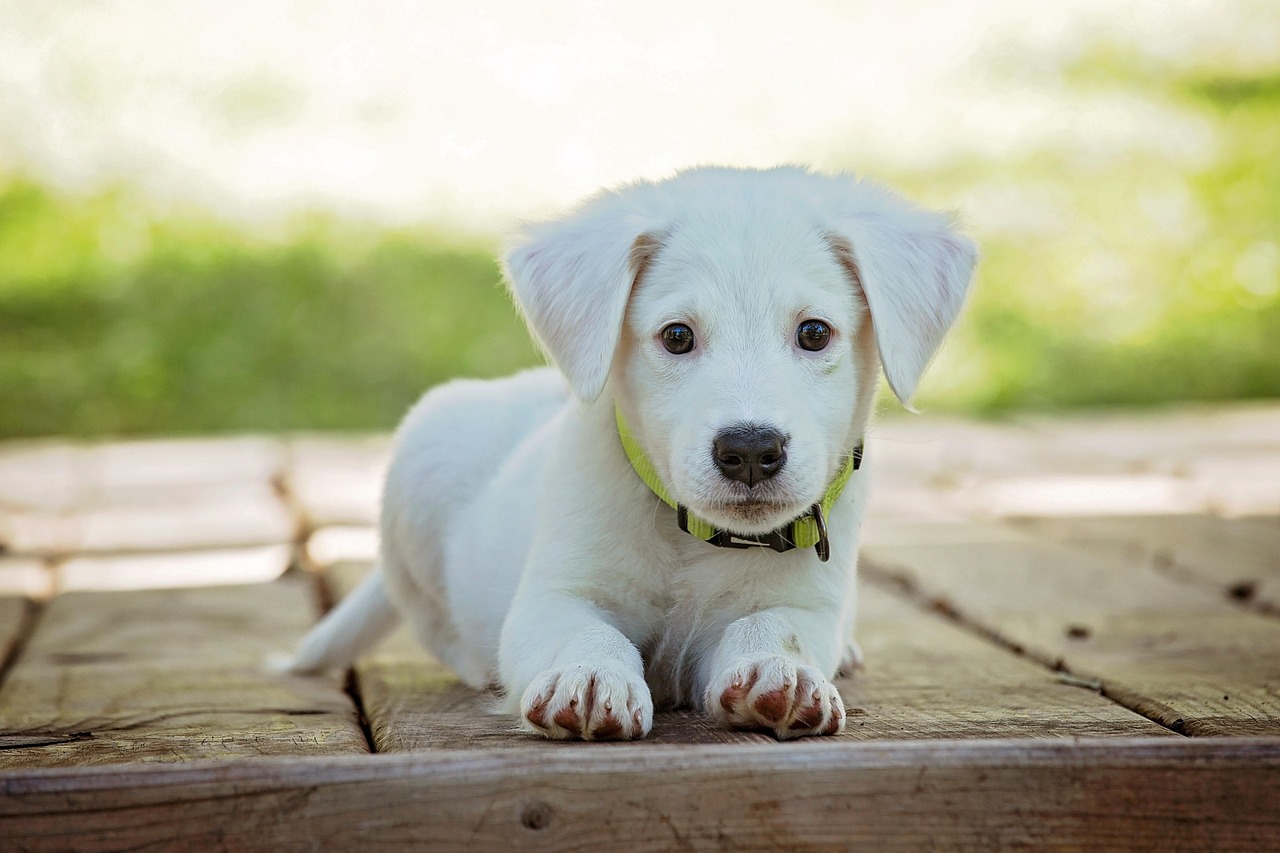

Understanding Why Your Puppy Has Potty Training Accidents
Puppy potty training can be quite a challenge for many pet owners. Understanding the reasons behind potty accidents can significantly help in troubleshooting and resolving these issues. Puppies are unable to fully control their bladders and bowels until they reach a certain age. It’s crucial to be patient during this phase of their development. Often, a puppy may have an accident simply because they need to relieve themselves and haven’t been taken out in time. In addition, different breeds can vary in their maturity levels, which impacts their ability to hold their bladder. Accidents can also occur due to overwhelming excitement, fear, or anxiety. Puppies being new to a house may not recognize designated potty areas, resulting in random accidents. Ensuring a consistent routine, taking them out frequently, and rewarding them for successful potty behaviors are essential strategies in overcoming this challenge. Crate training can also reinforce their need to hold it until they are let outside, which helps build better habits. Remaining calm and rewarding good behavior goes a long way in reinforcing positive potty training outcomes.
Aside from natural development, it is critical to recognize if any medical concerns might cause these accidents. Puppies, like humans, can experience illnesses that affect their urinary or bowel control. Conditions such as urinary tract infections (UTIs), diarrhea, or even parasites can create sudden urges that may lead to accidents in the house. If your puppy is having frequent accidents despite regular outdoor trips, consulting your veterinarian is advisable. A medical exam can rule out any health issues that might be contributing to your training troubles. Stress can also exacerbate potty issues. New environments, loud noises, or changes in daily routine can upset puppies, leading to unexpected accidents. Providing a stable environment for your puppy can greatly minimize this anxiety. Behavioral accidents can also stem from inadequate socialization, leading to fear or nervousness during attempts at outdoor relief. To assist this, ensure frequent exposure to various sounds, sights, and other pets. Moreover, consistency in training methods is vital to avoid confusion. Always use the same commands and reward system to reinforce the desired behavior in your puppy.
Importance of Consistency and Routine
Establishing a routine can streamline potty training efforts significantly. Puppies thrive on predictability, which helps them know when and where they are expected to relieve themselves. Take your puppy out at the same intervals each day to reinforce this routine. Most puppies can hold their bladders for about one hour for every month of their age. For instance, a two-month-old puppy can hold it for roughly two hours. Use this guideline to create an appropriate schedule for potty breaks. Additionally, consider the timing around meals when establishing this routine. Puppies typically need to relieve themselves within 15-30 minutes after eating. Offering a consistent place for them to go outside is equally important. If they continually relieve themselves in the same spot, they will associate that area with going potty. Be vigilant to observe their behavior, as signs like circling or sniffing can indicate they need to go. Additionally, avoiding negative punishments for accidents aids learning more effectively. Instead, focus on redirecting them to the designated spot for relieving themselves during outdoor trips, leading to positive reinforcement.
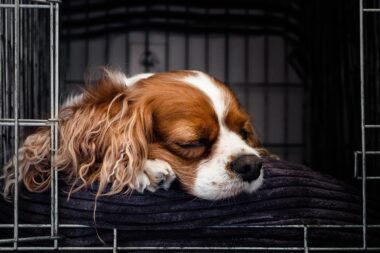
Furthermore, proper supervision indoors can significantly help reduce the frequency of accidents. Keep an eye on your puppy when they are inside the house, especially during the initial stages of potty training. This supervision will allow you to pick up on their signals more readily and intervene before an accident occurs. When you catch your puppy in the act, gently redirect them outside while praising them for their good behavior when they relieve themselves outdoors. If you cannot supervise them closely, consider crate training as an effective solution. Puppies naturally avoid soiling their sleeping areas, so a crate can help them learn control over their bladder. Ensure the crate is comfortable and never use it as a form of punishment, as this will create negative associations. Make bathroom breaks a part of their routine, particularly after meals or playtime. This will help them learn their cues and establish consistency. Remember, persistence is key, and tracking progress is helpful. Maintain a journal of potty training successes and setbacks to identify patterns that you can address more effectively.
Utilizing Positive Reinforcement
Positive reinforcement is a powerful tool in potty training. Rewarding your puppy immediately after they successfully relieve themselves outside helps them develop a strong association between going potty outdoors and receiving praise. This can involve treats, verbal praise, or even a favorite toy. Consistency is crucial in this process. Each time they go outside, regardless of whether it’s planned or unexpected, offer them a reward. Eventually, your puppy will start to understand that outdoor relief leads to positive outcomes. Additionally, be sure to celebrate small victories. Success can lead to greater confidence in taking them outside for potty breaks. The goal is to create a positive experience around potty training, minimizing fear or anxiety during the process. Consider using clicker training as well. When they go potty outside, click and offer a reward immediately. This method can strengthen communication about expectations. Be cautious, however, about overdoing it. You don’t want to overwhelm your puppy; a calm and patient demeanor fosters comfort. If accidents happen, avoid scolding. Instead, calmly clean up and focus on reinforcing the next outdoor visit.
Adequate physical and mental stimulation plays a key role in successful potty training. Puppies have a lot of energy, and if they are not exercised properly, they may use their energy inappropriately, resulting in accidents indoors. Provide daily exercise and engaging activities to keep their minds stimulated. Regular playtime, walks, and basic obedience training can encourage them to focus better and reduce anxiety. An active puppy that has had a chance to expend energy is more likely to establish a routine and stick to specified potty breaks. Additionally, toys that require problem-solving can help prevent boredom and destructive habits. Moreover, if your puppy is bored or filled with pent-up energy, they might not focus on their potty training. Providing interactive toys during crate time can keep them mentally occupied and discourage accidents. Seek out activities that challenge and engage your dog, as this will lead to a well-behaved pet. Furthermore, explore dog classes or play dates with other pets to encourage socialization. Socializing can also relieve anxiety that may accompany potty training challenges, enhancing learning experiences.
Seeking Assistance When Necessary
If your puppy continues to have accidents despite the efforts you have implemented, it might be time to seek professional help. Sometimes, underlying behavioral issues can impede potty training success, and a professional dog trainer can provide valuable insights. They can assess your specific situation and offer tailored solutions that fit your puppy’s needs. Enroll in puppy training classes that focus on positive reinforcement strategies to enhance their training base. These classes not only provide structured guidance but also give your puppy a chance to socialize with other dogs, which is beneficial for their overall development. Alternatively, consulting a veterinary behaviorist may be useful if you suspect deeper behavioral issues related to potty training. They can help you comprehensively understand your puppy’s mental state and emotional needs. Finally, keep your expectations realistic. Potty training is a process that varies per puppy. Celebrate progress, regardless of how small, and adjust your training methods based on observed behaviors. Remember that patience, consistency, and understanding are integral parts of successful puppy care.
In summary, understanding the reasons behind potty training accidents can significantly improve your training success. Puppies are still developing their physical and emotional regulation capabilities. By recognizing their limitations, approaching potty training with empathy and patience, you set the stage for effective training methods. Identifying the roots of accidents—be it developmental stages, medical conditions, anxiety, or lack of structure—forms the basis of a comprehensive training strategy. Establishing a consistent routine, practicing positive reinforcement, and ensuring socialization can lead to fewer mishaps and improve the bond with your puppy. Should challenges persist, do not hesitate to seek professional assistance. Engaging a trainer or specialist can unveil solutions that may not be evident and can provide additional support during the training journey. The ultimate goal is not just to have a potty trained puppy, but to foster a trusting relationship that paves the way for growth. Through perseverance, education, and love, you can help your puppy become the well-behaved companion you envision. Potty training can be an enjoyable and constructive experience if approached correctly.