
Safety Tips for Exercising Your Dog in Hot Weather
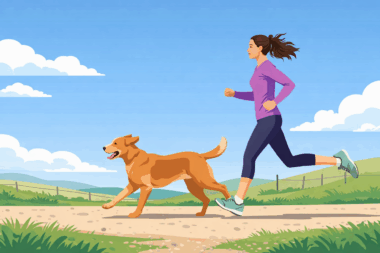
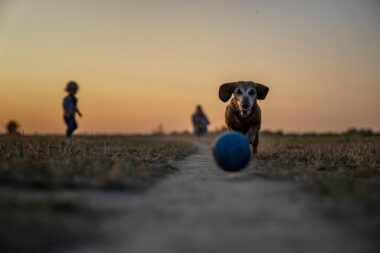
Exercising your dog during hot weather requires careful planning to ensure safety and comfort. Dogs are susceptible to heat exhaustion and heatstroke, which can be life-threatening. Prior to exercise, it’s crucial to consider the temperature and the specific breed of your dog. Breeds with short snouts, like Bulldogs, face increased risks, as do elderly or overweight dogs. When temperatures soar, exercise should be limited, especially during midday when the sun is at its peak. Aim for early morning or late evening walks when it’s cooler and more comfortable for your furry friend. Always carry fresh water to keep your dog hydrated, and take breaks regularly. Be observant of signs that your dog may be overheating, which include excessive panting, drooling, and lethargy. Planning your exercise routes to include shaded areas or water sources can help keep your dog cool. Consider carrying a portable water bowl or using a spray bottle to cool them down. Remember, moderation is key in ensuring that your dog enjoys exercise without putting their health at risk. Find ways to make physical activities fun without compromising safety.
Monitoring your dog’s behavior during hot weather is essential as it can prevent heat-related emergencies. If your dog starts to slow down or becomes disinterested in the exercise, it might be an indication to stop or take a break. Sticking to lighter activities also means adapting exercise plans. Instead of vigorous play, consider more leisurely walks where your dog can set the pace. Pay attention to the ground temperature, as pavement can become extremely hot and burn your dog’s paws. To test, simply place your hand on the pavement for seven seconds; if it’s too hot for you, it’s too hot for your dog. It’s best to avoid exercising during peak sun hours to avoid overheating. Use protective booties to shield their paws if they must walk on hot surfaces. If your dog is adventurous, consider alternative engaging indoor workouts. Activities like using toys for mental stimulation or teaching new tricks can be just as beneficial to their fitness without the risk of heatstroke. Always keep first aid supplies at hand, including a cooling towel, and understand basic dog CPR in case of emergencies.
Signs of Overheating in Dogs
Recognizing the signs of overheating can save your dog’s life. Overheating occurs when a dog cannot cool down effectively, leading to serious health risks. Common symptoms include excessive panting, rapid heartbeat, and drooling. When these signs are noticed, cease all activities immediately and find a shaded area or cooler environment. Offer your dog cold water to drink and apply cool, wet cloths to their body, focusing on the neck, armpits, and groin area. Another warning sign is lethargy or weakness; your dog might resist any more exercise and appear disoriented. If symptoms persist, immediate veterinary attention is necessary. Heat exhaustion can lead to heatstroke, a severe condition that can result in organ failure and death. Understanding your dog’s unique tolerance level to heat can guide how much and what kind of exercise they can handle. Protective gear like cooling vests can help manage heat while exercising outdoors. Ensure thorough observation and avoid any risk of overexertion during hot weather, always prioritizing their wellbeing. Adjusting exercise frequency and intensity based on weather conditions protects their health while still allowing them to enjoy being active.
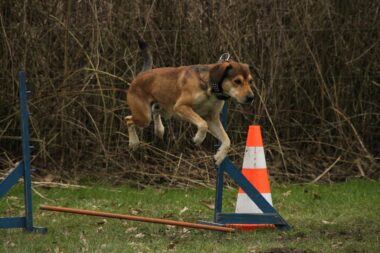
Alternative activities are a great way to engage your dog without risking their safety in extreme heat. Indoor games can keep your pet entertained while staying out of the blazing sun. Activities can include hiding toys or treats around your home, challenging them to find the hidden treasures. Tug-of-war games can also be played indoors, allowing them to exert energy without overheating. Using puzzle toys keeps their minds sharp while providing the necessary stimulation their physical activity offers. Exploring new training commands not only serves as a workout, but it also enhances your bond with your furry friend. On particularly warm days, weights may lay in temporarily setting aside their usual outdoor routine. Instead, opt for swimming, a great way for most dogs to engage with minimal risk. Always supervise them closely while in the water, ensuring they’re comfortable and safe. Investing in portable kiddie pools can be an excellent way for your dog to cool off. Offering mental challenges can be just as exhausting and rewarding as physical exertion, yet requires fewer risks associated with hot weather. Prioritizing fun alongside safety is possible with creativity and consideration.
Hydration and Nutrition
Ensuring proper hydration and nutrition is fundamental during hot weather exercise for dogs. Just like humans, dogs can become dehydrated quickly, especially when engaging in physical activities. Always bring water on walks and let your dog take regular breaks to drink. Consider using collapsible bowls for convenience. If your dog does not drink enough, have treats that contain high water content to keep them hydrated. Incorporating watermelon or ice cubes as treats can entice your dog to stay hydrated. Nutrition also plays a significant role; ensure your dog has a balanced diet to support energy levels during workouts, particularly in warmer conditions. High-quality dog food can provide the essential nutrients they need. Additionally, evaluate your dog’s weight and caloric intake based on their activity level. In summer, you may consider reducing food portions slightly to prevent weight gain in inactive periods. Monitor their condition and increase meals post-exercise to help replenish lost nutrients. Discuss serving options and dietary requirements with your veterinarian to tailor a plan that suits your dog’s specific needs and lifestyle, especially during seasonal changes that could affect their health.
Exposing your dog to the sun also requires thinking about their coat type. Certain breeds with thick fur may require more attention during hot weather, while short-haired breeds are less likely to overheat. However, remember that even short-haired breeds can get sunburned just like humans. Applying a dog-safe sunscreen on vulnerable areas, such as the nose and ears, can help protect them. Grooming your dog regularly ensures their coat is free of mats or excessive undercoat, promoting better airflow and cooling. In some cases, shortening your dog’s coat may be a consideration during hotter months. Consult with a professional groomer about the best approach to maintain your dog’s coat without compromising on their protection from the sun. Regular baths can refresh their coat while keeping the skin clean and healthy. Ensuring a comfortable and well-groomed dog will contribute to maintaining their overall happiness and health. Exercise is important, but an understanding of coat and skin needs could prevent serious complications, allowing for more enjoyable outdoor time.
After-Exercise Care
Post-exercise care is just as crucial as preparation when exercising your dog in hot weather. After returning from a walk or play session, ensure your dog gets plenty of time to rest and cool down. Providing ample access to shade and fresh water will help them recover. If your dog appears especially hot, you can gently dampen their fur with cool water to help them cool down faster. It is a great time for gentle rubdowns without overheating them. Observation for symptoms of heat-related illness is vital—continue to monitor your dog’s behavior and health for a short while after exercise. If any unusual symptoms arise, do not hesitate to seek veterinary assistance. Additionally, keep an eye on their paws for any signs of burns from hot pavement. If they require care, treat their paws gently with appropriate ointments or pads. Introducing them to a stretching routine post-exercise can also benefit muscle recovery and promote circulation. Incorporating thoughtful aftercare into your dog’s routine ensures a continued positive relationship with exercise while safeguarding against potential hazards. This fosters a respectful and fun exercise experience shared between you and your dog, even in hotter conditions.
In summary, exercising your dog during hot weather requires careful planning and awareness. Understanding your dog’s needs and limitations in heat puts their health first while allowing them to enjoy outside activities. This includes monitoring temperature, providing hydration, and looking out for signs of overheating. Recognizing the conditions your dog thrives in will help build a strong routine that prioritizes their health and safety. Considering alternative indoor activities keeps your dog stimulated and active without exposing them to extreme temperatures. Always tailor your strategies based on their reactions to heat and adapt accordingly. Taking proper care of hydration and nutrition will also positively impact your dog’s health during intense exercise periods. Don’t overlook their grooming needs, which can drastically affect your dog’s comfort level in warm weather. Prioritizing post-exercise care is just as important as preparation before heading outdoors. By focusing on these guidelines, you create a safer and more enjoyable environment for your dog to thrive in hot weather while maintaining their fitness. The excitement of exercising outdoors can remain delightful when you take these vital precautions into account.