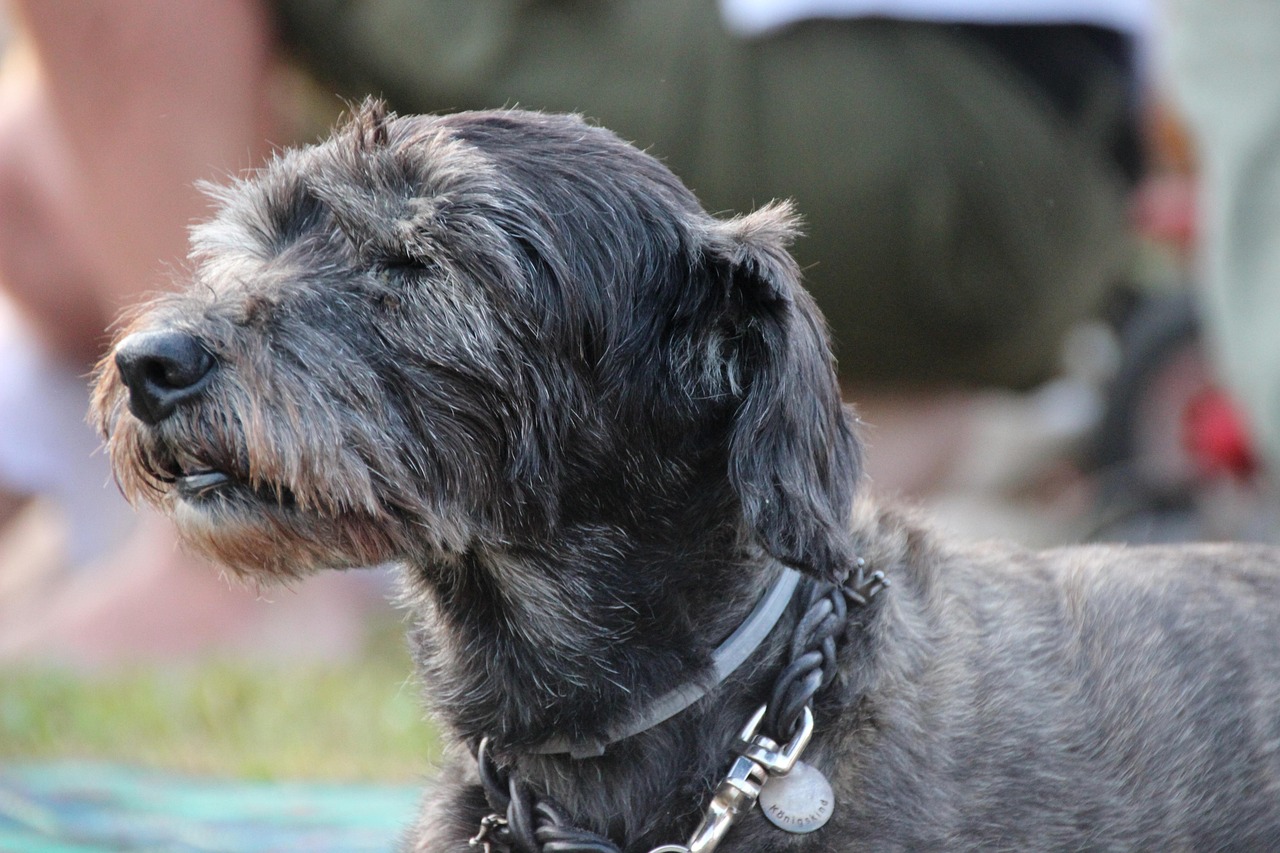

Top Tips for Traveling with Your Senior Dog
Traveling with a senior dog requires extra planning. Before embarking on any journey, ensure that you have consulted your veterinarian. Discuss your dog’s specific health issues, medications, and limitations. Create a comprehensive packing list for your senior pet. Include items like medications, food, water, a collapsible bowl, and a comfortable bed. Incorporate their favorite toys and blankets to make the travel experience more enjoyable. Provide regular bathroom breaks during the trip and monitor their hydration closely. Senior dogs are prone to dehydration, so frequent access to fresh water is crucial. Moreover, keep an eye on their physical condition as excessive travel can be taxing. Adjust your itinerary based on their energy levels and ensure pet-friendly accommodations are available. Familiarize yourself with pet policies at rest stops and accommodations. Always carry a leash and ensure your senior dog is secured in your vehicle. Invest in a harness or pet seatbelt for safety. Senior dogs may be anxious in new environments, so create a safe and familiar setting to reduce stress throughout your travels.
As you prepare for your trip, consider your senior dog’s comfort and mobility. Certain dogs may struggle with long distances, so it’s essential to plan shorter travel periods with ample rest intervals. Consider traveling during cooler parts of the day. This is especially important for breeds that are sensitive to extreme temperatures. Always keep an eye on signs of discomfort or stress that may arise while you’re traveling. If your dog has trouble with stairs or getting into vehicles, invest in a pet ramp or lift. This will not only ease the process but also prevent injuries. Make sure to bring your dog’s bed or blankets, allowing them to feel at home wherever you go. Regularly check on your dog and accommodate their needs frequently. If a lengthy journey is unavoidable, explore options for breaks, including overnight stays in welcoming environments. There are many pet-friendly hotels that cater specifically to senior dogs. Be sure to read reviews to find the best locations. Additionally, consider using pet travel apps to find relevant resources along your route, such as parks and dog-friendly restaurants.
Keep Health Records Handy
Having your senior dog’s medical records readily available can be invaluable while traveling. This documentation should include vaccination history, medications, and any pre-existing conditions. Carry both physical copies and digital versions on your mobile devices. In case of an emergency, ensure you have all the necessary contact information for your veterinarian at home, as well as vet clinics along your travel route. If your dog is on medication, pack enough supplies for the entire trip and clearly label each container with dosages. Research nearby veterinary services in the area you’ll be visiting, so you know where to go if needed. Regularly monitor your dog for any signs of distress or illness while on the road. These may include decreased appetite, lethargy, or unusual behavior. If any such symptoms arise, seek veterinary attention at the nearest clinic. Having a quick reference guide for emergencies will certainly ease some anxiety. In addition, pay attention to their dietary needs, as senior dogs may require special food or feeding schedules to maintain wellness throughout your travels.
When traveling, it is crucial to prioritize your senior dog’s routine as much as possible. Keeping a consistent schedule can help ease the stress of travel. Whether it involves eating, walking, or resting, try to replicate your dog’s usual day-to-day activities. Maintaining familiarity can bring them a sense of comfort during travels. While it may be tempting, resist the urge to skip meals or change their diet abruptly. Sudden dietary changes can lead to gastrointestinal upsets, which can be especially problematic for older dogs. Instead, bring along their regular food and homemade food if necessary. This way, meal times remain predictable. Performance may also depend on their activity level; therefore, ensure to incorporate gentle exercise during breaks. Going for short walks allows your dog to stretch their legs and explore the surroundings, which is beneficial for their overall well-being. Use leverage points like parks or pet areas to let your dog roam with supervision. Always keep them on a leash when exploring in unfamiliar areas to ensure safety and avoid potential dangers.
Choose the Right Travel Gear
Selecting the appropriate travel gear for your senior dog can make a world of difference. Consider investing in a comfortable harness for easier control during walks. Ensure the harness accommodates any mobility challenges your dog may face. A travel crate or carrier that is well-ventilated and appropriately sized is essential if you plan to fly or take public transport. Your dog should have enough space to stand, turn, and lie down comfortably. Soft bedding is ideal, as it provides comfort and support for older joints. When in your vehicle, ensure that your dog is secure using a pet seatbelt or booster seat. These options can keep them safe in the event of sudden stops or turns. Dogs can easily get anxious during travel, so consider calming products like travel blankets, pheromone sprays, or anxiety wraps. Be ready for spills by taking along protective covers for your car seats. Invest in waterproof or easy-to-clean materials, ensuring you’ll maintain a clean environment for both you and your dog. The right gear can provide a stress-free travel experience for all involved.
Ensuring proper hydration for your senior dog is vital while traveling. Bring along plenty of fresh water, and make it easily accessible at all times. Invest in a travel bowl that’s lightweight and collapsible, making it easy to stash when not in use. If your dog is reluctant to drink, add some low-sodium chicken broth to entice them. Monitor your dog’s hydration levels closely, especially during hot weather. Signs of dehydration include excessive panting, lethargy, and dry gums. Act quickly if you notice any signs; providing shade and cool water can help alleviate distress. Also, familiarize yourself with potential health risks associated with sun exposure for senior dogs. Use dog-safe sunscreen, particularly on areas that may not be covered by their fur. For added safety, take frequent breaks in shaded areas, allowing your dog to cool off and hydrate. When choosing rest stops, ensure they are dog-friendly and have ample shade or even water bowls available. Always remain vigilant about your dog’s condition during travel to ensure they remain happy and healthy throughout your journey.
Arriving at Your Destination
Upon arrival at your destination, give your senior dog time to acclimate to their new environment. Allow them to explore at their own pace, ensuring they feel safe and secure in unfamiliar surroundings. Set up a designated area in your accommodation with their belongings, such as their bed, toys, and food. Creating a familiar space can ease anxiety and help them adapt quickly. Stick to your routine as much as possible, including meal times, potty breaks, and exercise schedules. Monitor their behavior continuously; if they seem unsettled or anxious, take a step back and provide comfort. Introduce them gradually to new activities or locations. Explore the area at a pace suitable for your senior dog, allowing time for rest. If you encounter other pets or children, ensure that your dog is comfortable and not overwhelmed. Prioritize their comfort and needs during this transition. Lastly, be aware of potential hazards at your destination, such as toxic plants or steep stairs. Proactive measures can keep your dog safe and happy while exploring new environments.
Traveling with a senior dog can be a rewarding experience if done thoughtfully. By preparing adequately and prioritizing your dog’s needs throughout the journey, you can create memorable adventures that both you and your furry friend will cherish. Start by planning your itinerary carefully, ensuring that it accommodates your dog’s comfort and mobility challenges. Pack sufficient supplies while considering their preferences and routines. Along with health records, ensure you have plenty of food, medications, and hydration tools. Thoroughly research your travel route and accommodations to find appropriate places that welcome pets. Opt for locations with pet-friendly policies and nature trails suitable for walking your dog. Monitoring their behavior and health during the journey is essential; be aware of signs indicating discomfort or stress. Always remain flexible and ready to adapt to your senior dog’s pace. These thoughtful considerations will not only enhance your travel experience but also contribute significantly to your dog’s happiness. After all, creating lasting memories and enjoying quality time together is what traveling with your beloved senior dog is all about!