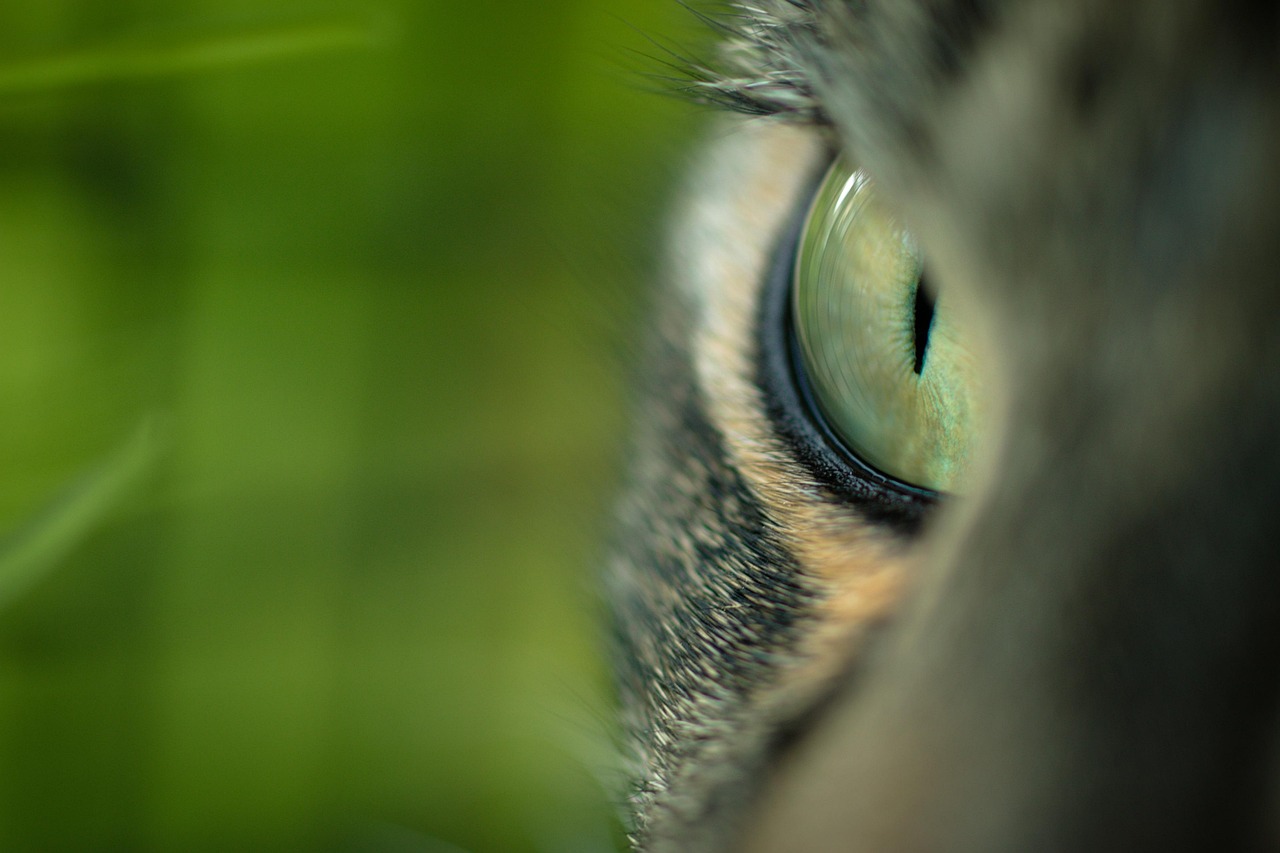

Highlighting Cat Eye Colors in Macro Photography
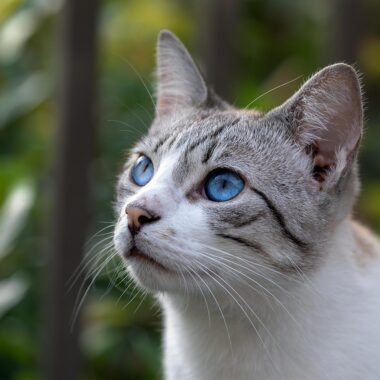
Macro photography is an art form that focuses on capturing details not often seen by the naked eye. In the context of cats, this can lead to stunning images of their eyes, which come in a variety of breathtaking colors. The intricacies and textures of a cat’s eye are fascinating, revealing details such as the reflective surface and unique patterns that set each feline apart. When practicing macro photography of cats, it’s essential to focus on the different eye colors ranging from vibrant greens and golds to deep blues and ambers. Capturing these hues requires creativity, skill, and an understanding of lighting. Utilizing soft lighting can enhance colors and highlight the textures within the eyes, making them pop. One can experiment with different angles to create depth and draw the viewer’s attention directly to the captivating glow of a cat’s eyes. Additionally, placing the camera at eye level with the subject can create a more intimate and engaging image. To achieve the best results, using a macro lens designed for close-up photography is highly recommended.
To achieve stunning close-up shots of cats, it’s crucial to pay attention to settings that enhance the clarity and color of the images. Begin by properly configuring the aperture to a low f-stop setting, ensuring a shallow depth of field. This technique beautifully blurs the background, drawing focus to the mesmerizing colors and details of the cat’s eyes. Furthermore, utilizing natural light can significantly increase the vibrancy of the eye colors, capturing them authentically. Backlighting or sidelight techniques can also be utilized to create highlights, further enhancing the eyes’ features. Don’t forget to consider the cat’s surroundings as they can impact the feelings conveyed through the photo. For instance, a natural setting with lush greenery can enhance the green hues in the cat’s eyes, creating a harmonious composition. It’s also important to engage with the cat to keep it calm and relaxed. Cats respond positively to toys and gentle sounds. This approach helps capture more natural expressions and poses, resulting in authentic representations of their eye colors.
Understanding Eye Colors and Their Significance
Each eye color in cats can carry a unique significance that enriches the emotional connection between the animal and the viewer. For instance, green eyes are often associated with mystery and depth, while blue eyes can convey tranquility and charm. In contrast, amber eyes are frequently linked to warmth, making them particularly inviting. This understanding of color can influence how a photographer decides to portray their feline subjects in macro photography. Understanding the cat’s personality and characteristics can inspire more meaningful and dynamic images. By aligning the emotional context with the eye colors, photographers can create images that resonate deeply with audiences. Each time a cat’s eye color is photographed, there’s an opportunity to capture a story that is unfolding. Photographers can choose to create images that highlight these narratives, converting simple photographs into compelling visual art. It’s essential to engage the observer by allowing them to see not only the physical attributes of the cat but also to feel the emotional undertones reflected through the colors of the eyes. This results in eye-catching art that invites viewers to look deeper.
Another crucial technique for macro photography is maintaining focus on the cat’s eyes while utilizing various technological tools effectively. Autofocus can be beneficial, but manually focusing may yield better results, allowing for precise adjustments that highlight specific features of the eyes. Investing in a high-quality macro lens greatly enhances the ability to capture intricate details. Look for lenses with a magnification ratio of at least 1:1 for optimal results. Additionally, using extension tubes can further allow photographers to get closer to the subject without compromising on quality. Understanding and utilizing the settings on the camera, such as ISO, shutter speed, and white balance, can prominently affect the final outcome of photographs. It’s recommended to practice shooting in different lighting conditions to master the techniques, making adjustments as necessary to achieve ideal exposure. Sometimes, a bit of post-processing in editing software can enhance colors and sharpness, offering a polished final image. With practice, combining these techniques can lead to remarkable portraits that truly represent the character and beauty of the cats being photographed.
Preparing for a Cat Photography Session
The preparation for a successful macro photography session begins with creating a comfortable environment for both the photographer and the cat. Ensure the area is spacious, allowing the cat to roam freely while lessening stress. Choose a location that provides ideal lighting conditions, such as near a window or in a garden during the golden hour. Gather props or backgrounds that complement the cat’s eye colors. Soft blankets in complementary colors can provide a striking contrast, adding visual interest to the photo. Patience is essential when working with cats as they have varying attention spans and moods. It is beneficial to engage their curiosity with toys or treats, coaxing them into playful positions that showcase their eyes. Remember to take breaks if the cat seems restless. Additionally, understanding the specific breed’s traits can give insight into the best moments to capture. Each breed has different playful behaviors or resting positions that can lead to unique photographs. Ultimately, being well-prepared allows for a more relaxed atmosphere, which often results in better photographs.
After capturing the images, the process doesn’t end. Post-production editing can significantly enhance the beauty of captured photographs. Start by selecting the best images that truly encapsulate the essence of the cat’s eye colors. Using software such as Adobe Lightroom or Photoshop allows for color correction, cropping, and sharpening. Always work in layers, enabling adjustments without affecting the original image quality. Pay special attention to the eye colors by adjusting saturation levels to make them more vivid, but be conscious of maintaining a natural look. Enhancing shadows can bring depth, while sharpening can ensure that details are crisply defined. When appropriate, adding a soft vignette may draw the focus toward the center of the photo. As you work through the editing process, remember to maintain a consistent aesthetic if you are building a portfolio. Focusing on a specific style or theme can help tell a cohesive story in your body of work. The final edits can make previously good photographs truly remarkable and eye-catching.
Sharing and Showcasing Your Work
Ultimately, showcasing your macro photography of cats is essential to gain recognition in the art community. Consider creating a dedicated online portfolio featuring high-quality images of your best work, allowing for easy access to potential clients or fans. Social media platforms such as Instagram and Facebook are ideal for sharing your photography journey and connecting with fellow cat lovers. Use relevant hashtags to increase your visibility and engagement within the photography and pet communities. Engaging with your audience by sharing behind-the-scenes shots and stories can create a more personal connection. Additionally, consider entering photography competitions that focus on animal photography, as these can bring significant exposure. Networking with other photographers or joining online forums can provide additional opportunities for growth. Presenting your work at local art shows or exhibitions can be a great way to showcase your talent while gaining feedback from viewers. Collaboration with pet-related brands can also open doors, allowing your work to reach broader audiences while adding credibility to your art.