
The Impact of Socialization on Dog Jumping Habits
Understanding dog jumping behavior is critical for pet owners aiming to foster positive interactions. Jumping occurs for various reasons, including excitement, anxiety, or the desire for attention. Often, socialization plays a pivotal role in shaping these jumping tendencies. A well-socialized dog learns proper boundaries and develops better self-control, reducing excessive jumping. Early exposure to different environments and people helps them understand when to behave appropriately. It is essential for dog owners to consistently reinforce good behavior during interactions with family and guests. Positive reinforcement training techniques can be useful in diminishing unwanted jumping. By rewarding calm and composed behavior, dogs can learn that staying grounded garners more affection and attention than jumping. Social gatherings or training classes can provide dogs with opportunities to practice controlled greetings. Observing the behavior of well-mannered dogs can influence younger pups, guiding them toward appropriate social responses. Owners should strive to create enjoyable experiences during socialization to instill lasting behavioral habits. The more positive the experience, the better the outcome for both the dog and the owner, leading to a healthier relationship in the long term.
Socializing your dog is not just about exposing them to new sights and sounds; it’s also about engaging them in necessary behaviors. As dogs interact with various people and situations, they must learn how to respond appropriately. If a dog jumps out of excitement upon meeting someone new, they might find that the person simply steps back, fostering further jumping. This can create a negative cycle where the dog continues to jump up as a means of engagement. By focusing on teaching alternatives to jumping, like sitting or staying, owners can guide their pets toward better behaviors. It is essential for owners to be patient during this learning process, rewarding achievements and redirecting jumping instances. Regular training sessions can ensure that the behaviors are reinforced and remembered. Additionally, incorporating playtime and physical activities can help allocate some of that jumping energy appropriate outlets. This approach ensures that dogs feel satisfied and less likely to resort to jumping for attention. Strategies such as scheduling playdates or visiting dog parks can allow dogs to interact socially without excessive jumping.
The Role of Consistency in Training
Consistency is fundamental in dog training, particularly concerning jumping behaviors. Dogs thrive on routine, and predictable responses from owners help shape their actions. When a dog jumps to say hello, it’s crucial that every family member reacts the same way. If one person allows jumping while another discourages it, the dog becomes confused, leading to inconsistent behavior. Setting clear rules and expectations promotes a more straightforward path to training success. Owners should practice patience as dogs learn to adjust to these rules. Keeping interactions consistent during various situations, such as during play or greeting guests, will facilitate learning. Training aids, such as leashes with gentle corrections or interactive toys, can assist in guiding the training process. Owners may also find success by scheduling designated play sessions that emphasize calm behavior. In this way, dogs can have quick bursts of energy followed by relaxation periods, reinforcing the idea of calmness. Using techniques that allow for gradual exposure to new people or situations also strengthens the dog’s social skills, leading to less jumping and a more composed demeanor.
Another significant aspect of socialization is managing the dog’s environment effectively. For example, if a dog is overexcited in chaotic settings, managing their exposure can prevent unwanted jumping. Gradually introducing new environments helps desensitize dogs to stimuli that trigger jumping behavior. Taking the dog for walks in varied settings, such as parks or busy streets, can help them learn how to maintain composure amidst distractions. Owners should choose less crowded areas for initial exposure and gradually advance to busier places. Positive impulses like treats or praise reinforce the desire to remain calm. If they jump at new stimuli, owners should redirect their focus toward engaging alternatives. Providing mental stimulation through puzzles or interactive games at home can also reduce excess energy. Highlighting calmness in various settings fosters a sense of security and comfort within the dog. Additionally, participating in obedience classes can create structured environments where dogs learn effective social norms. As dogs become more adept in social situations, the chances of unwanted jumping behavior will significantly decline.
Building Trust Through Positive Experiences
Building trust is a crucial component in modifying a dog’s jumping behavior. Socialization should also be a joyful experience, as it fosters a positive bond between the dog and its owner. Structured outings create opportunities for enjoyable interactions that can build confidence in the dog. Gradually exposing dogs to larger crowds or louder environments while ensuring the experience remains positive promotes poise in social settings. It is important to remain calm and give your dog reassurance during these outings, establishing a sense of security through your presence. Providing rewards during calm moments further reinforces good behavior, establishing a reliable pattern. Engaging in various activities—sniffing, walking, and learning new commands—can keep dogs focused and help redirect energy. In exciting situations, distraction techniques may also aid in managing jumping. For instance, using toys or treats to redirect focus can mitigate jumping behavior during encounters. This trust and bonding experience fosters deeper connections while simultaneously reducing jumping incidents. The more socialization dogs receive, the more adaptable and pleasant their behavior becomes in different environments.
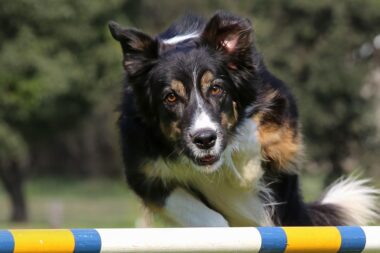
Notably, certain breeds may exhibit more jumping tendencies due to their natural instincts or energy levels. Understanding individual breed characteristics can also inform the socialization process. High-energy breeds often require more extensive exercise and social interaction to keep them calmed and focused. Owners of such breeds should be especially diligent in implementing structured training and socialization. For instance, herding or working dogs may benefit from activities that engage their thinking and physical agility. Facilitating playdates with less excitable dogs can teach these energetic canines how to interact appropriately. By allowing social comparisons, high-energy dogs can learn acceptable behavior while regulating their enthusiasm. It is also essential to recognize that training should extend throughout the dog’s life, not just during the puppy phase. Continuous reinforcement of training ensures lifelong good behavior. Owners should prioritize regular social outings, stimulating physical activities, and consistent boundaries. These actions provide a holistic approach to managing jumping behavior throughout the dog’s growth. Ultimately, understanding your dog’s breed-specific traits will help you personalize the socialization process, yielding happier dogs.
Conclusion: The Path to Better Behavior
In conclusion, socialization profoundly impacts dog jumping behavior. With proper training and consistent reinforcement, pet owners can curtail unwanted jumping effectively. A well-socialized dog not only reduces excessive jumping but also leads to improved interactions both at home and in public settings. Essential aspects include patience, regular training, and engaging experiences that promote calmness. Owners should focus on building trust through enjoyable outings and understanding their dog’s specific needs. By addressing breed tendencies and providing age-appropriate activities, effective socialization becomes attainable. Interactive training aids and structured experiences foster a cooperative spirit where dogs learn acceptable behavior while feeling secure. Additionally, addressing any environmental triggers becomes vital in managing jumping habits. Successful strategies involve simplifying initial exposure to stimuli and gradually increasing complexity. By employing positive reinforcement and remaining consistent, owners can ensure their dogs grasp the nuances of appropriate greetings and interactions. These methods fortify the dog-owner bond, creating a healthier environment for both. Ultimately, your efforts in socialization will lead to dogs that are well-adjusted and confident, enhancing both your lives.