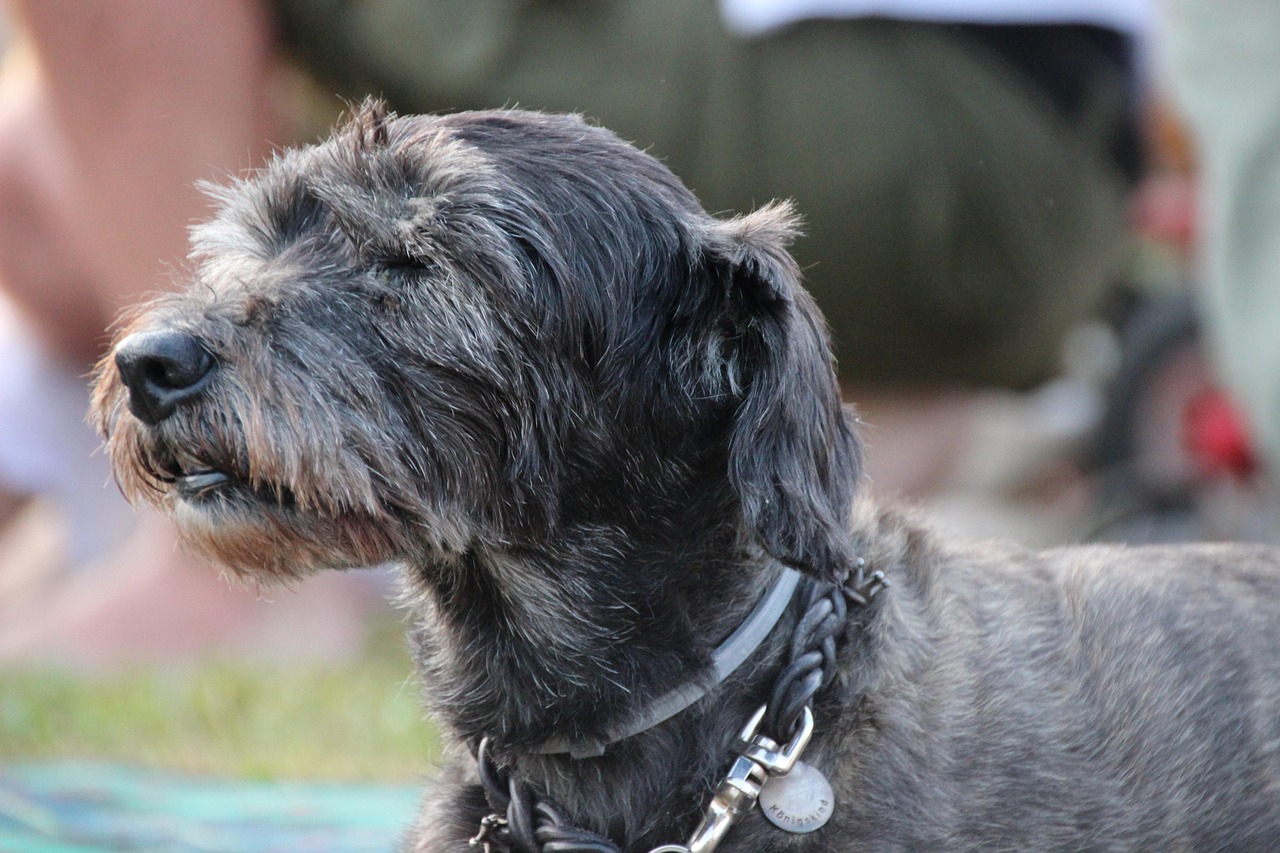

How to Manage Arthritis and Keep Senior Dogs Safe
As dogs age, they often develop arthritis, a painful condition affecting joints and mobility. Monitoring your senior dog’s well-being is essential for their health and happiness. Early identification of symptoms like limping or reluctance to engage in physical activities can significantly improve their quality of life. Regular veterinary check-ups allow for timely interventions and pain management options tailored to your dog’s specific needs. Weight management is crucial in reducing pressure on arthritic joints. Ensuring your dog maintains a healthy weight will alleviate stress on those painful areas, helping them move with more ease. Diet plays a vital role; consider incorporating supplements or specialized food rich in omega-three fatty acids, which can promote joint health. Engage in low-impact exercises such as slow walks or swimming sessions to keep them active without overexertion. Creating a comfortable living environment is equally important. Utilize ramps or non-slip mats to aid mobility, preventing accidents in the home. Lastly, invest in supportive bedding which can ease discomfort while resting. With the right approach, you can manage arthritis in senior dogs, enhancing their safety and overall quality of life.
Understanding the symptoms of arthritis in senior dogs is critical for effective management. Watch for signs such as difficulty rising, joint swelling, changes in appetite, or altered behavior. These indicators may signify that your furry friend is struggling with pain. Prompt action is necessary; consult your vet, who can recommend pain management options suitable for your dog’s age and health status. Various medications, including non-steroidal anti-inflammatory drugs (NSAIDs), can help alleviate pain and inflammation. In addition, physical therapy may be beneficial, assisting your dog in preserving mobility and strength. Discuss with a professional the most suitable exercise regimen tailored to your dog’s condition. A veterinarian may also suggest treatments like acupuncture or laser therapy, which have shown promise in improving joint function and comfort. As your dog ages, alterations in diet can yield significant benefits. Focus on high-value nutrition and consider supplements containing glucosamine and chondroitin to support joint health. Regularly reassessing your dog’s condition and adjusting treatment plans accordingly is crucial; ensure they remain as comfortable as possible while enjoying their golden years, enhancing their overall quality of life.
Preventive Measures for Arthritis in Senior Dogs
Preventing arthritis in senior dogs involves proactive measures to support joint health throughout their lives. Maintaining a healthy diet is paramount; provide balanced nutrition that caters to their age, size, and activity level. Regular exercise is equally essential, promoting strong muscles that support joints. Tailor workouts to be engaging yet gentle on aging bodies, offering activities that stimulate without risking injury. Additionally, consistent vet check-ups provide insights into your dog’s health, allowing for early detection of potential issues before they worsen. Pay attention to their weight and implement changes if necessary; obesity exacerbates joint issues significantly. Look for low-impact exercises like walking or swimming, which allow your dog to remain active without excessive strain. Consider investing in joint supplements, which can support long-term joint health and alleviate discomfort. Provide a comfortable living environment; creating spaces that accommodate their mobility needs encourages independence. Use foam beds that support their joints and keep their sleeping area warm and secure. Prioritizing preventive measures ensures your senior dog enjoys a healthy and active lifestyle while minimizing the risk of arthritis-related complications.
In addition to preventive care, creating a safe home environment is vital for senior dogs with arthritis. Focus on the layout to facilitate easy movement; clear pathways of any obstacles that could result in slips or falls. Installing ramps or step assist devices can also aid dogs when getting in or out of cars and navigating stairs. Additionally, consider purchasing non-slip mats or surfaces throughout your home to increase stability on slippery floors. Keeping outdoor spaces well-maintained will also enhance safety, removing any debris that might pose a threat. As your dog navigates their environment, provide them guidance and support if necessary, particularly when encountering unfamiliar spaces. Adequate lighting is essential in preventing accidents; ensure all areas, especially stairs, have sufficient lighting. Pay particular attention to your dog’s toys; select soft, lightweight toys to prevent any joint strain. Make sure these items are easily accessible to discourage unnecessary twisting or bending. By taking these precautions, you can create a safe and welcoming space for your senior dog while managing arthritis effectively, contributing positively to their safety and well-being.
Pain Management Strategies
Implementing effective pain management strategies is crucial for senior dogs facing arthritis, ensuring they remain comfortable without compromising their quality of life. Discuss available options with your veterinarian, who may recommend non-steroidal anti-inflammatory drugs (NSAIDs) as an initial approach. These medications can provide significant relief, mitigating pain and inflammation associated with arthritis. However, it’s important to closely monitor any side effects and to follow the vet’s guidance on medication dosages. Alternately, consider holistic treatments such as acupuncture, which has shown promising results in pain relief for some dogs. Regular physical therapy could complement these approaches, helping your furry friend regain strength and maintain mobility. Controlled exercises should focus on low-impact activities like walking in water, which can preserve joint function without inflicting unnecessary strain. Incorporating heat therapy, such as warm compresses or heating pads, can also soothe sore joints. As each dog is unique, it’s vital to develop a tailored pain management plan outlining the strategies best suited to your beloved companion, ultimately ensuring their comfort and happiness despite the challenges posed by arthritis.
Establishing a dedicated routine for your senior dog can greatly benefit their comfort and help manage arthritis symptoms. Regular attention to their needs reinforces a sense of security and routine. Begin by setting fixed times for feeding and walks, establishing a predictable schedule that enhances your dog’s comfort. Incorporate gentle stretching or warm-up exercises before walks to prepare their joints and muscles for activity. Gradually increase the duration of walks to keep your dog engaged, allowing them to explore their environment, which can improve both mental and physical well-being. After outdoor time, dedicate moments to unwind together, reinforcing the bond and showing them they are cherished. Quality time spent together can significantly influence your dog’s emotional health, helping them adapt to the limitations imposed by arthritis. Interactive toys can keep your dog mentally stimulated while they rest, making their environment vibrant and engaging without requiring excessive physical effort. Accompany these practices with ongoing vet consultations to continually tailor your dog’s routine to meet their evolving needs, ensuring they enjoy a fulfilling and enriched life even during their golden years.
Conclusion: Enhancing Life Quality for Senior Dogs
In conclusion, managing arthritis in senior dogs involves a multifaceted approach focused on enhancing their comfort and quality of life. Begin with preventive care strategies to maintain joint health throughout their lives, ensuring they are always active. Once arthritis develops, stay attuned to your dog’s symptoms and actively seek veterinary guidance for effective pain management solutions. Establishing a supportive environment at home will facilitate independence and safety for your senior dog while assisting them in navigating their surroundings. Establishing routines that prioritize your dog’s needs and preferences fosters emotional well-being and trust. Investing time in gentle exercises, balanced diets, and supplements specifically designed for joint health maximizes your dog’s comfort. It’s vital to cultivate a partnership with your veterinarian to adapt care plans as necessary. Remember, aging is a journey that presents challenges, but with your dedication and sensitive care, you can significantly enhance your dog’s quality of life, ensuring their golden years are full of joy. With every effort you make to ease their discomfort, you contribute to a happier, more fulfilling life for your beloved companion.
A key component of managing arthritis in senior dogs also involves community support and resources. Connecting with local pet care professionals or support groups can enhance your knowledge and provide a valuable network for shared experiences and advice. Engage online to access forums or social media groups that focus on senior dog care. Here, you can find valuable tips, recommendations, and emotional support from fellow dog owners going through similar challenges. Exchange ideas on innovative methods for pain management and share resources such as reputable veterinarians or joint supplement brands. Additionally, your involvement in the wider pet community can inform you about local events, seminars, or workshops focused on pet health and well-being. Consider participating in these activities to stay updated on the latest findings in canine care, especially concerning arthritis treatments. An informed approach empowers you with a variety of strategies that may ease your dog’s discomfort and enhance their life quality. Remember, the journey of caring for a senior dog is a shared experience, and the support of others can be invaluable as both your dog and you navigate the complexities of aging together.