
Preventing Hairballs in Senior Cats with Proper Grooming
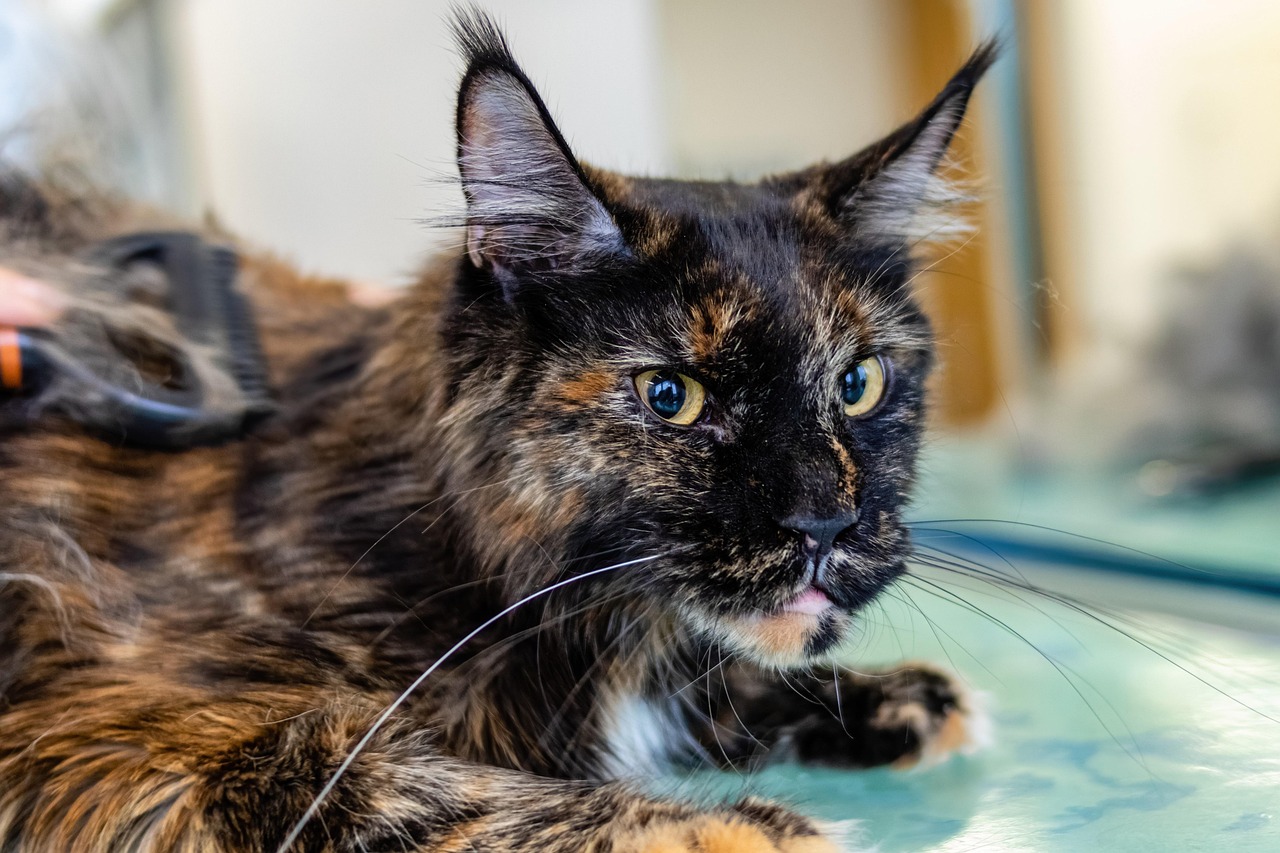
As cats age, their grooming needs become more pronounced, as they may struggle with self-grooming due to arthritis or reduced mobility. Proper grooming is essential in preventing issues like hairballs in senior cats. By understanding common grooming challenges faced by senior felines, cat owners can choose the right techniques to support their pets. Start by assessing your cat’s physical condition, which may require adjustments to the grooming routine. Consult your veterinarian if your senior cat displays signs of discomfort during grooming sessions or if you’ve noticed an increase in hairballs. Regular brushing helps to minimize loose fur and debris, keeping your cat cleaner and healthier. Additionally, ensure you use appropriate grooming tools designed for senior cats, as they are often gentler. This may mean going for soft bristle brushes or grooming mitts that don’t cause irritation to their skin. In this article, we’ll explore effective grooming strategies that cater specifically to senior cats and their unique needs, aiming to enhance their comfort and promote overall wellness with each grooming session.
Understanding Hairballs in Senior Cats
Hairballs form as a result of excessive grooming, particularly in cats with longer fur. Senior cats may swallow more hair than younger cats due to their grooming habits, exacerbating hairball formation. Knowing why these hairballs occur is the first step towards prevention. In a senior cat, hairballs can indicate deeper health issues, such as allergies or dietary problems. Be alert for signs of distress during grooming or if your cat is frequently trying to regurgitate. If your senior cat is throwing up hairballs regularly, it’s time to review their diet and grooming routine. Incorporating high-fiber foods can promote better digestion, making it easier for hairballs to pass through their system. Additionally, a balanced diet designed for seniors may offer nutritional support to maintain their skin and fur quality. Walking through the grooming process step after step can familiarize your cat with the routine and reduce anxiety. The collaboration between proper diet and grooming can help diminish hairball occurrences, letting your senior feline feel more comfortable and content.
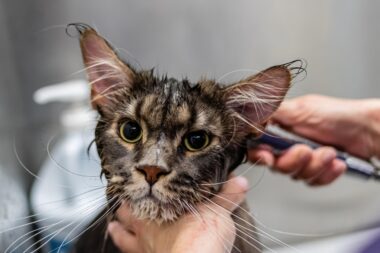
When grooming a senior cat, it’s important to create a calm and stress-free environment. A peaceful setting encourages your cat to relax and allows for easier grooming sessions. Choose a designated grooming area where your cat feels safe and secure. It’s best to avoid noisy settings or areas where your cat may feel threatened. You can start grooming during times when your cat is naturally more relaxed, like after meals or during lazy afternoons. Use treats to create positive associations with grooming; offer them as a reward throughout the session. Additionally, gentle and slow grooming motions can help build your cat’s trust in the process. Be patient, especially if your senior cat is not used to regular grooming. Short sessions are better than long, drawn-out ones, as they can prevent overstimulation. If your cat shows signs of irritation or distress, pause and allow them to take a break. Reinforcing positive experiences with each grooming can make the process enjoyable for both of you. The goal is to maintain your senior cat’s cleanliness while also fostering a loving bond.
Choosing the Right Grooming Tools
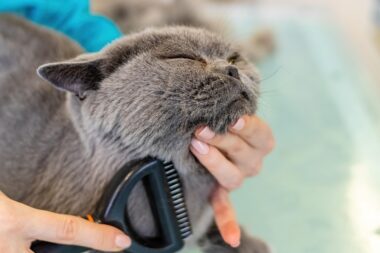
The choice of grooming tools significantly impacts the effectiveness of your efforts when it comes to maintaining your senior cat’s fur. Selecting brushes designed for older cats can greatly enhance comfort and reduce pain points in sensitive areas. Soft bristle brushes are excellent for gentle grooming that won’t irritate delicate skin. Additionally, grooming gloves can provide an interactive experience, allowing your cat to enjoy the sensation of being stroked while also removing loose fur. Avoid using rigid dematting tools or metal combs, as these can be harsh on your cat’s skin. Regularly inspect your tools to ensure they are clean and safe to use. Investing in high-quality grooming equipment tailored to senior cats will pay off in smoother grooming sessions. Be sure to check the tools for wear and tear, replacing them when necessary to maintain effectiveness. Moreover, having different tools on hand allows you to tackle varying fur types or thicknesses in your cat, ensuring a versatile grooming lineup. This approach prioritizes your senior cat’s comfort and makes the grooming experience enjoyable overall.
Additionally, scheduling regular grooming sessions can help keep your senior cat’s coat healthy and manageable, making it easier to control the fur that builds up. Aim for a consistent grooming routine of at least once a week, adjusting frequency based on your cat’s needs. Cats that shed more will need more frequent grooming sessions. Track your cat’s shedding patterns to establish a routine that works best for them. During each session, take time to check for any signs of skin irritation, lumps, or fleas that may not be initially visible. Regular grooming also provides opportunities for physical bonding and monitoring your cat’s overall health. Gentle massages during brushing can enhance relaxation and can contribute positively to your pet’s emotional well-being. Ensure to use treats consistently after each grooming session to reinforce positive behaviours. The goal is to make grooming a rewarding and fun experience rather than a chore. By establishing this rhythm, your senior cat will likely look forward to grooming, decreasing shedding and hairball issues in the long run.
Hydration and Diet Connection
Proper hydration plays a critical role in maintaining your senior cat’s overall health, including reducing the occurrence of hairballs. A well-hydrated cat is less likely to experience digestive issues, making it easier for fur to pass through the digestive system without causing distress. Ensure your senior cat has access to fresh water at all times, which promotes healthy hydration and digestion. Cats can be picky drinkers, so consider investing in a water fountain, which encourages them to drink more frequently. Furthermore, the right dietary approach ensures your senior cat receives vital nutrients that help facilitate healthy skin and coat. Foods rich in Omega fatty acids can contribute to coat health and can decreases shedding over time. Additionally, food formulated for senior cats often contains digestive aids such as fiber and probiotics, improving their gastrointestinal health. Consult with your veterinarian to find the best nutritional choices tailored to your cat’s specific needs. This holistic approach, blending proper hydration, diet, and grooming, is essential for mitigating hairball-related discomfort in your beloved senior cat.
Finally, singling out health issues is crucial when addressing excessive hairballs in senior cats. Any uncharacteristic behaviour, such as frequent vomiting, lethargy, or changes in appetite warrant immediate veterinary attention. These changes could signify underlying health problems requiring different approaches. Regular check-ups with the vet can help catch potential issues before they become severe. Collaborate closely with your veterinarian to develop a comprehensive care plan for your senior cat that includes diet, grooming, and preventive health measures. They can guide you in adjusting your grooming techniques depending on changes in your cat’s health. By staying informed about the latest developments in feline health care, you will know how to best support your senior cat’s grooming needs. A proactive approach considers grooming but encompasses a wide range of helpful strategies. By prioritizing your senior cat’s personal needs and being proactive are essential steps in fostering their overall health. Addressing grooming and health holistically can ultimately lead to a happier, healthier, and more comfortable feline companion.