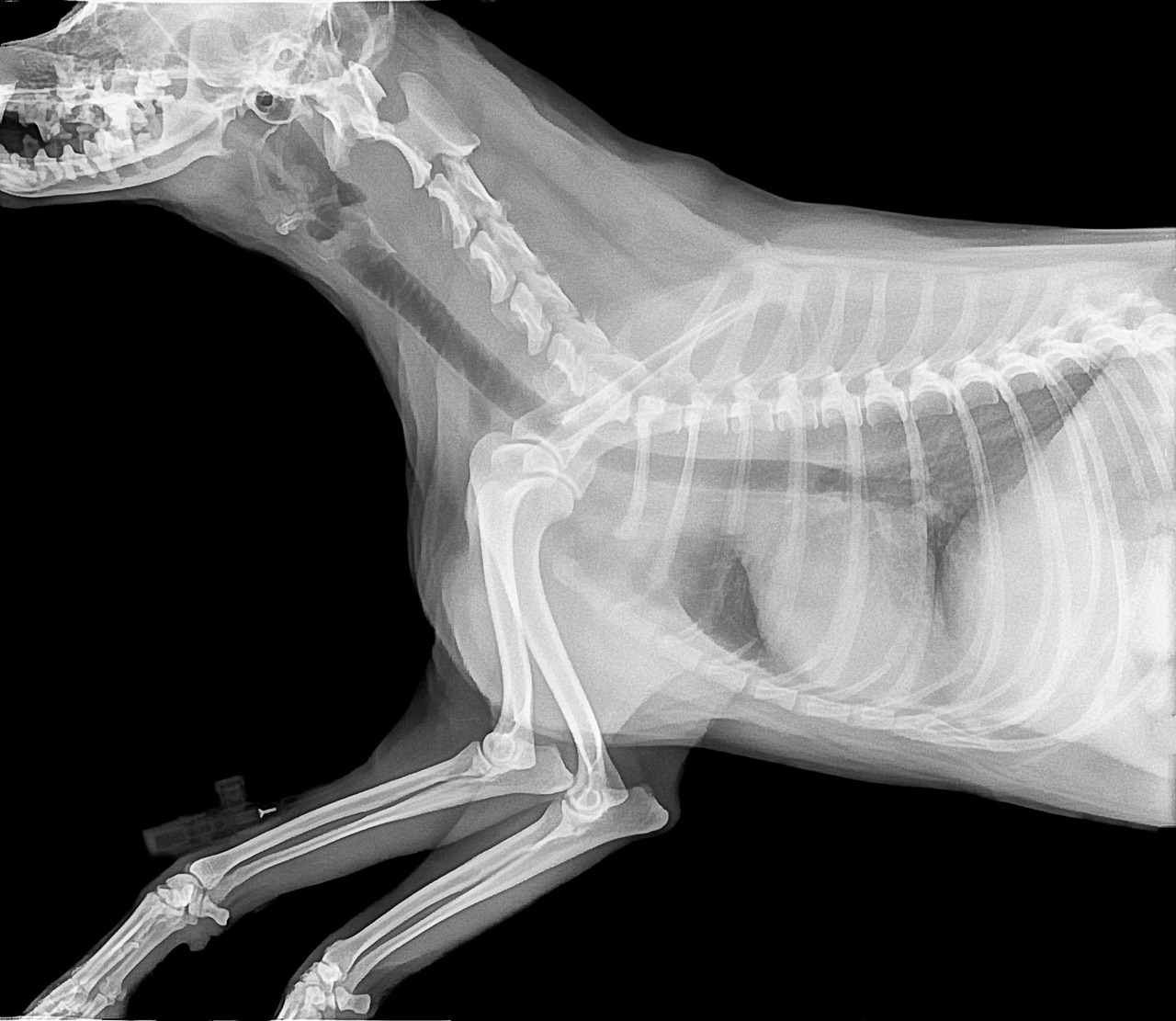

Common Bone Disorders in Dogs and How to Prevent Them
Bone disorders in dogs can significantly impact their quality of life, affecting mobility, behavior, and overall health. One of the most common issues is hip dysplasia, where the hip joint does not fit properly into the hip socket. This malformation can lead to arthritis and severe pain. Osteochondritis dissecans (OCD) is another disorder, often seen in large breeds, where cartilage becomes damaged, affecting joint function. Other examples include luxating patella and bone fractures. These conditions are particularly challenging as they can develop silently over time, making it crucial for dog owners to be vigilant. Regular vet check-ups become essential to catch these issues early on. Maintaining an appropriate weight, providing supportive nutrition, and engaging in moderate exercise are fundamental preventive measures. Dog breeds may have specific predispositions to certain bone disorders, making awareness important. Identifying early symptoms like limping, decreased activity, or reluctant movement should prompt immediate veterinary consultation. Thus, understanding these bone disorders is an essential step towards ensuring your dog’s long-term health and comfort. Through proper preventive care, you can help address and mitigate these common issues.
Another prevalent bone disorder in dogs is osteoarthritis, a degenerative joint disease that causes inflammation and pain. It typically develops over time as a result of wear and tear on the joints, particularly in older dogs or those with previous injuries. Symptoms may include reduced range of motion, stiffness after resting, and difficulty climbing stairs. Preventive measures for osteoarthritis focus on maintaining healthy joint function. Ensuring a balanced diet rich in omega-3 fatty acids can help reduce inflammation. Additionally, introducing joint supplements with glucosamine and chondroitin can support cartilage health. Weight management is also critical, as excess weight places additional pressure on joints, accelerating wear. Engaging your dog in low-impact activities like swimming or walking can enhance joint flexibility without risking injury. Regular exercise helps to strengthen the muscles surrounding the joint, offering better support. Moreover, keeping a consistent routine helps dogs feel secure and encourages mobility. It is vital to monitor their activities and ensure they do not overexert themselves. With early intervention and effective management, dogs can lead more comfortable and active lives free from the debilitating effects of osteoarthritis.
Some dogs may also experience conditions such as panosteitis, commonly referred to as “growing pains.” This disorder typically affects young, rapidly growing dogs, especially large breeds. It causes inflammation in the bones, often resulting in limping and discomfort shifting from limb to limb. Although the condition is self-limiting, meaning it usually resolves with time, managing the dog’s pain and ensuring they maintain a comfortable lifestyle is crucial. Regular veterinary evaluations are important during this phase as they can provide guidance on how to minimize pain. Offering a supportive bed and limiting high-impact activities can help in recovery. Proper nutrition focuses on delivering balanced protein, vitamins, and minerals to aid growth while avoiding obesity. Adequate hydration is also essential for promoting overall health and joint function. It is also advisable to gradually increase exercise intensity to prevent overstrain. To facilitate the growth process, consider involving a veterinarian in formulating an appropriate diet plan tailored to the dog’s needs. With these measures, owners can assist their young pups while they navigate through this often painful but temporary phase.
Understanding Luxating Patella and Its Prevention
Luxating patella is another common bone disorder often seen in small dog breeds. It occurs when the kneecap dislocates from its normal position, leading to lameness or abnormal gait. In cases of lateral luxation, the kneecap moves outward, which can be particularly concerning for active dogs. A regular assessment by a veterinarian is critical, as early detection can drastically alter the prognosis. Maintaining a healthy weight is vital in preventing this condition. Therefore, a balanced diet and appropriate exercise regimen can help mitigate the risk. Engaging in activities that strengthen the muscles around the knee can provide additional support. Physical therapy has also gained traction as a preventive measure, focusing on improving flexibility and strength. Moreover, avoiding harsh terrains and slippery surfaces can reduce the chances of injury that might exacerbate luxating patella. In severe cases, surgical intervention may be necessary to stabilize the kneecap. Owners should educate themselves about breed-specific risks and consult with veterinarians for customized care plans. By prioritizing prevention strategies, dogs can minimize incidences of luxating patella, ensuring they enjoy a happy and active life.
Another significant issue can arise from bone fractures, which may occur due to accidents, falls, or conditions like osteoporosis. Osteoporosis weakens bones, making them more susceptible to breaks, especially in older dogs. To prevent bone fractures, regular weight-bearing exercise is encouraged to build bone density. Nutrition plays a crucial role in maintaining strong bones; hence, a diet rich in calcium and phosphorus is vital. Regular dental care is also essential, as poor dental health can lead to systemic issues, impacting bone health. Any noticeable signs of limping or reluctance to bear weight should lead to an immediate veterinary consultation. Additionally, awareness should extend to the living environment, as many common household items can pose risks if chewed. Always securing recreational spaces and avoiding sharp objects can help reduce accidental injuries. For senior dogs, regular health checks can help catch conditions like osteoporosis early. Consequently, by staying proactive and vigilant, dog owners can significantly minimize the chances of fractures while ensuring the dog’s longevity and vitality. Ultimately, a combination of proper care, nutrition, and exercise is important for robust bone health and injury prevention.
Concluding Thoughts on Bone Health
Ensuring optimal bone health in dogs is an essential aspect of pet care. An understanding of common bone disorders, from osteoarthritis to fractures, empowers owners to take proactive steps in maintaining their pets’ well-being. Regular veterinary visits, coupled with a nutrient-rich diet and consistent exercise regime, greatly influence the prevention of these conditions. Dogs thrive on routine; hence, providing a consistent daily schedule can contribute to their overall mental and physical health. Furthermore, incorporating joint supplements in their diet can support strong bone structure. Observation of subtle changes in behavior, mobility, or appetite should always be taken seriously. These could indicate underlying health issues that require prompt attention. Providing a safe and supportive environment plays a crucial role in preventing injuries. Knowing how to handle and manage their energy levels can differentiate between energetic fun and unnecessary accidents. As pet owners, being equipped with knowledge about bone health is indispensable. With appropriate methods and consistent care, you can greatly enhance your dog’s overall happiness and quality of life as they journey through life by your side.
In closing, educating ourselves on canine bone health can dramatically impact our pets’ lives. The prevalence of joint and bone disorders necessitates awareness, early detection, and active management. Dogs that suffer from conditions affecting their bone and joint health may experience discomfort and decreased mobility if not appropriately addressed. Preventative measures, such as weight management, regular vet check-ups, and appropriately moderated physical activity, significantly contribute to mitigating risks associated with these disorders. The bond formed through active engagement with your dog during exercise may also enhance emotional health, reinforcing their spirit. Owners investing time and effort into their dogs’ nutrition and care send clear messages of love and attentiveness. Learning from resources and veterinary advice helps create a stronger partnership between you and your furry companion, empowering you both in navigating health challenges together. The commitment you show through care today will yield many joyful moments in the future. For those unfamiliar with specific disorders, there are several reputable sources and professionals available to support your journey. Let’s work together towards fostering a healthier and more vibrant life for our beloved dogs.