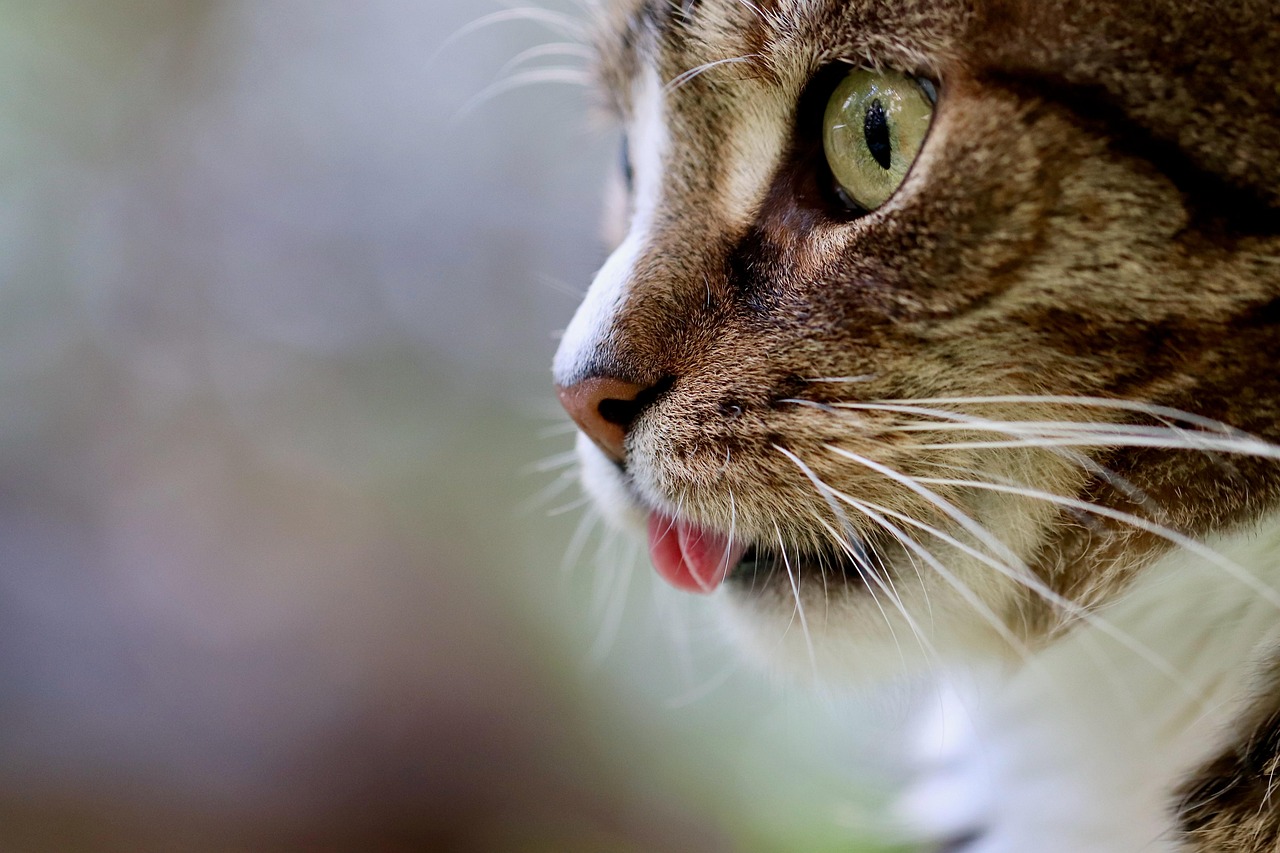

Understanding Pica in Cats: Causes and Symptoms
Pica is a behavioral disorder affecting many cats, compelling them to consume non-food items. This urge can lead to digestive issues, lethargy, or severe health risks. Understanding the causes and symptoms of pica is essential for cat owners, caregivers, and lovers. Various factors contribute to pica, ranging from environmental influences to medical conditions. Spraying or eating non-food objects like strings or plastic can be confusing and alarming. If a cat is eating items that pose choking hazards, immediate veterinary advice is crucial. Common causes of pica can include boredom, anxiety, nutritional deficiencies, or learned behavior. Cats may also engage in pica as a coping mechanism for stress, indicating their need for attention and stimulation. It’s vital for owners to identify these triggers early on. By recognizing pica in its early stages, effective intervention can be implemented. Consider providing enriched environments and toys to reduce boredom. This method not only helps curb pica but also promotes overall health and happiness for cats. In some cases, medical evaluation can shed light on underlying health issues. Watch for signs of distress or discomfort in your feline friend.
Behavioral modifications may also prove beneficial. Understanding the specific items your cat consumes can guide treatment options. If you observe patterns in their interests—like a preference for textiles or cardboard—this knowledge is essential. Have you thought about engaging more with your cat? Playing regularly can stimulate their mind and body while decreasing the likelihood of destructive behavior like pica. Sometimes, pica may suggest an underlying nutrient deficiency, which could necessitate a dietary change. A consultation with a veterinarian can help identify appropriate dietary modifications that support your cat’s health. Additionally, consider environmental enrichment strategies. Simple changes like scratching posts, climbing towers, and interactive toys can reduce boredom and encourage positive behaviors. Incorporate food puzzles or treat-ball toys to keep your cat mentally active as well. Some cats may also respond positively to training that encourages them to focus on appropriate toys rather than inappropriate objects. Always consult a veterinarian before attempting behavioral interventions, ensuring the approach matches your cat’s needs. The important thing is to remain patient and observant, slowly guiding your cat towards healthier behavior patterns with consistent attention and dedication.
Identifying Symptoms of Pica
Recognizing pica symptoms in cats is crucial for early intervention. Affected cats will often exhibit a compulsive urge to ingest non-food items. This behavior may manifest as frequent chewing, licking, or swallowing of inappropriate objects. Pet owners should observe their cats closely for signs, especially if they witness unusual chewing habits or see strange items missing from around the house. Some common objects cats may consume include fabric, rubber, or plastic. Observe their behavior, noting how often it occurs and whether it escalates when they seem bored or anxious. Injuries may occur due to sharp objects or toxic substances, elevating the urgency to address the issue. If your cat is experiencing gastrointestinal distress, including vomiting or excessive drooling, take action. Symptoms could indicate that they consumed harmful substances, warranting an immediate vet visit. Additionally, monitor your cat for signs of lethargy, decreased appetite, or any visible pain. Keeping a journal of these behaviors can help your veterinarian assess the situation accurately. By tracking changes over time, you’ll provide valuable insights that facilitate tailored treatments for your feline companion. Remember, your cat’s well-being depends on your vigilance.
Understanding that pica may originate from various underlying causes is key in providing proper care. Nutrition is often a primary factor, and some cats may develop these habits due to dietary insufficiencies. For instance, if a cat shows strong cravings for non-food objects, they may lack specific nutrients. Consulting with veterinarians can steer you towards a nutritionally balanced diet. Assess your cat’s current food for proper protein, vitamins, and minerals essential for their health. Sometimes, lifestyle changes can also mitigate pica. Boredom is a common catalyst for this behavior, leading to cats seeking other forms of stimulation. Introducing new toys regularly and engaging in interactive play can significantly reduce the urge to chew on non-food objects. Additionally, cats naturally require stimulation throughout the day. Providing vertical spaces and hiding places encourages their adventurous instincts. Another aspect to consider is social interaction: cats are social animals that often require companionship. If they feel alone, engaging with them more frequently or considering other pets as playmates can bridge that gap. Finding creative and enjoyable ways to bond with your feline will yield positive results.
Medical Interventions
In some cases, medical interventions may be necessary to address the underlying causes of pica. If behavioral modifications do not yield positive results, veterinary evaluation is crucial. A vet can conduct comprehensive checks to explore potential health issues triggering the behavior. Conditions like gastrointestinal disorders, dental problems, or neurological disorders might lead your cat to engage in pica. Evaluating your pet’s overall health is vital; blood tests and physical exams can reveal much about their well-being. If medical issues are diagnosed, tailored treatment plans or medications may be prescribed, adjusting their diet to prevent further incidents. Alongside medication, maintaining open communication with your vet is essential. Updates regarding your cat’s behavior, eating habits, and overall mood can inform subsequent decisions effectively. In some instances, veterinary behaviorists may provide deeper insight into your cat’s appetite for non-food items. Participating in comprehensive assessments and following their recommendations will lead to better outcomes for your pet. Just as in humans, cats react positively to stable routines. Transitioning to healthier habits can enable a brighter future for your feline friend, alleviating the worries of pica.
Creating a supportive environment goes hand-in-hand with medical treatments. Consider decluttering your living space to remove enticing objects that your cat may find. Ensure that items like strings, yarns, or rubber bands are put away securely. Having fewer distractions can help in breaking the cycle of pica behavior. You can also invest in cat-safe alternatives for commonly chewed items. For example, offering edible chew toys or specially designed cat treats can satisfy a cat’s need for oral stimulation without compromising their health. Designate specific areas for play, creating a safe zone that encourages appropriate behavior. Avoid scolding or negative reinforcement tactics; instead, redirect their energy and provide options for non-destructive play. When your cat engages in preferred activities, celebrate their successes with praise. Providing positive feedback reinforces beneficial habits. Building strong relationships with your furry companions through trust and understanding can significantly reduce anxiety and boredom, which are often triggers for pica. Remember to be consistent with your interventions, as habits can take time to adjust. Your cat needs you to be patient, understanding, and supportive throughout the journey of addressing pica effectively.
Conclusion: The Way Forward
Addressing pica within cats may prove challenging, but it’s possible with dedication and care. This journey necessitates a combination of behavioral tactics, enriched environments, and close veterinary cooperation. Pay attention to your cat’s individual needs, modifying treatment approaches as necessary; understanding is key to their recovery. It’s vital to affirm your cat’s worth, showing consistency in resolving behavioral issues together. By acknowledging the problem promptly and implementing relevant strategies, we can foster healthy behavior patterns. Maintaining mental and physical health should be the priority through quality time spent together. By connecting seeds of trust, also seek professional advice when necessary. Engage with your veterinarian regularly, adjusting diets, and ensuring your feline companion stays healthy and active. Observing your cat’s transformations can be a rewarding experience, as it reinforces the bond you share. Pica can be effectively managed with technological assistance and recommendations tailored to your cat’s needs. Understand that change takes time, and celebrate improvements along the way. The unbreakable bond between you and your furry friend will only strengthen as you work together toward healthier habits and behaviors, enhancing both your lives in the process.
By promoting a positive atmosphere and fostering understanding, you equip your cat with a chance to thrive outside habits of pica. Adapt strategies as you uncover what resonates most with your feline companion. An empathetic approach has the potential for remarkable outcomes, resulting in a healthier lifestyle that minimizes risks associated with consuming harmful objects. Leveraging a variety of resources available can guide you through the journey while addressing your cat’s needs effectively and emphatically. Explore cat behavior literature, join forums, or seek guidance from trained professionals who can further expand your understanding of feline behavior. Doing so will empower you with insights and equip you with tools necessary for creating meaningful interventions. Remember, progress may be gradual; however, remaining patient is crucial throughout this process. Be proactive in developing routines that introduce healthier alternatives to pica. Your cat deserves a fulfilling, happy life, free from harmful behaviors. Each small step counts, and every positive shift will lead to a more harmonious living situation for both of you. While pica can be concerning, know that successful resolutions are achievable with effort and commitment.