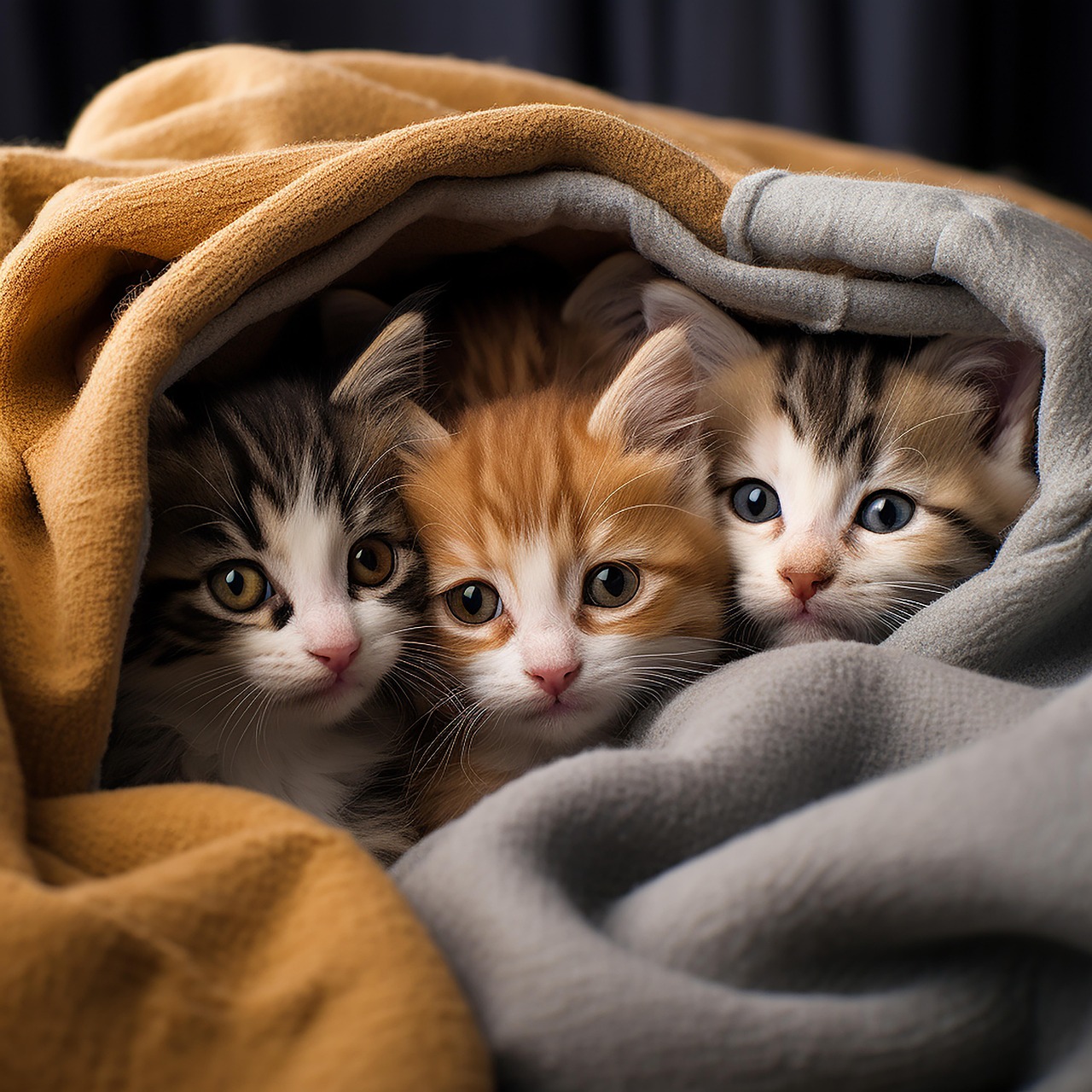

The Science Behind Cat Socialization and Stress Hormones
Understanding the dynamics of cat socialization is crucial for ensuring their health and reducing stress levels. Cats, being naturally solitary creatures, can sometimes struggle to adapt when interacting with humans or other animals. Recognizing their unique behaviors and triggers can significantly aid in creating a more harmonious environment. Socialization encourages positive interactions, reducing anxiety and aggression over time. When cats feel safe, their stress hormones decrease, fostering a better overall well-being. Early socialization, particularly in kittenhood, is essential as it lays a foundation for their adult behavior. Cats that are well-socialized often exhibit increased confidence and adaptability when meeting new people.
One of the significant factors influencing cat behavior and socialization is the role of stress hormones, particularly cortisol. Elevated cortisol levels can indicate stress in cats, leading to various health issues such as behavioral changes or even physical ailments. By fostering a positive and stimulating environment, pet owners can help minimize these stress responses. Strategies such as interactive play, enrichment activities, and providing safe spaces contribute positively to a cat’s physical and mental health. Furthermore, rewarding desired behaviors encourages social interactions. Adequate socialization results in a balanced emotional state, which is inherently linked to the reduction of stress hormones. Connecting socially with their environment is key for their happiness.
Role of Enrichment in Socialization
Environmental enrichment plays a vital role in the socialization process of cats. A stimulating environment involves not only toys and scratching posts but also interactive play with humans and other animals. By offering various stimuli, we can engage their natural hunting instincts, which promotes physical activity and mental stimulation. Furthermore, social plays can enhance bonds, making cats feel more secure and confident. Cats that experience richer environments are less likely to develop behavioral issues, as these settings encourage exploration and curiosity. Engaging with these elements creates a warm atmosphere, reducing anxiety for both the cat and owner. The impact of a well-designed space cannot be understated when it comes to fostering positive interactions.
Understanding body language is another critical component of cat socialization. Cats communicate extensively through body posture, vocalization, and eye contact. Learning to read these signs helps in determining their comfort levels with social interactions. For example, an arched back or flattened ears often indicates discomfort, while slow blinking can signify trust. Being attentive to their cues allows owners to respond appropriately, ensuring an environment that respects their boundaries. Socialization involves reciprocity; it is essential for owners to approach cats with patience and understanding. Creating a safe space for cats to express themselves is paramount, as it leads to lower stress levels. Observing and adapting to these signals fosters a mutual bond.
Effects of Isolation on Cats
Isolation can have detrimental effects on a cat’s health, resulting in stress and anxiety. Cats that are not socialized may become fearful or aggressive, leading to challenges in their interactions. Over time, chronic stress can manifest in various ways, such as excessive grooming or litter box problems. Consequently, it’s essential to recognize the signs of loneliness or fear in cats, aiming to address their needs proactively. Regular interaction, stimulating environments, and opportunities to socialize with both humans and other pets can mitigate these effects. Understanding their need for companionship and security drives positive consequences for their physical and mental health, making socialization a top priority.
When socializing cats, gradual exposure is key. Rushing the process can lead to overwhelming situations, inciting stress responses. Start with short interactions and slowly increase the duration as comfort levels build. It’s vital to allow the cat to dictate the pace of socialization; forcing interactions can provoke fear and anxiety. This gentle approach reinforces a sense of security, helping to instill confidence over time. Providing treats or engaging in play during social interactions serves as positive reinforcement, creating a favorable association with these experiences. Establishing rituals around feeding or playtime can also enhance feelings of safety, encouraging positive behavior and social skills among cats.
Finding Professional Help
In cases where a cat exhibits significant difficulties with socialization, seeking professional help may be necessary. Behaviorists and veterinarians can offer tailored support to address specific issues and develop strategies for improvement. These experts can identify underlying causes, such as past trauma or genetic predispositions, and recommend interventions that promote better social skills. Additionally, training classes may provide useful opportunities for structured socialization among multiple cats or mixed animal environments. Owners can also learn effective techniques to utilize at home, ensuring consistent applications for ongoing socialization efforts. Engaging professionals emphasizes a commitment to fostering a healthy, well-balanced feline companion.
In conclusion, the science behind cat socialization and stress hormones reveals the importance of understanding a cat’s emotional needs. By prioritizing socialization, creating stimulating environments, and recognizing stress signals, owners can foster healthy relationships with their pets. Understanding these essential elements significantly impacts a cat’s overall well-being. Cats are adaptable creatures, but they thrive when their social and emotional requirements are met. Reducing stress hormones contributes to a happier life, enhancing both their health and the bond shared with their owners. A collaborative approach, combining knowledge of behavior, environmental design, and professional guidance, paves the way for successfully bridging the gap between solitude and sociability.