
What a Cat Travel Certificate Looks Like and How to Get One
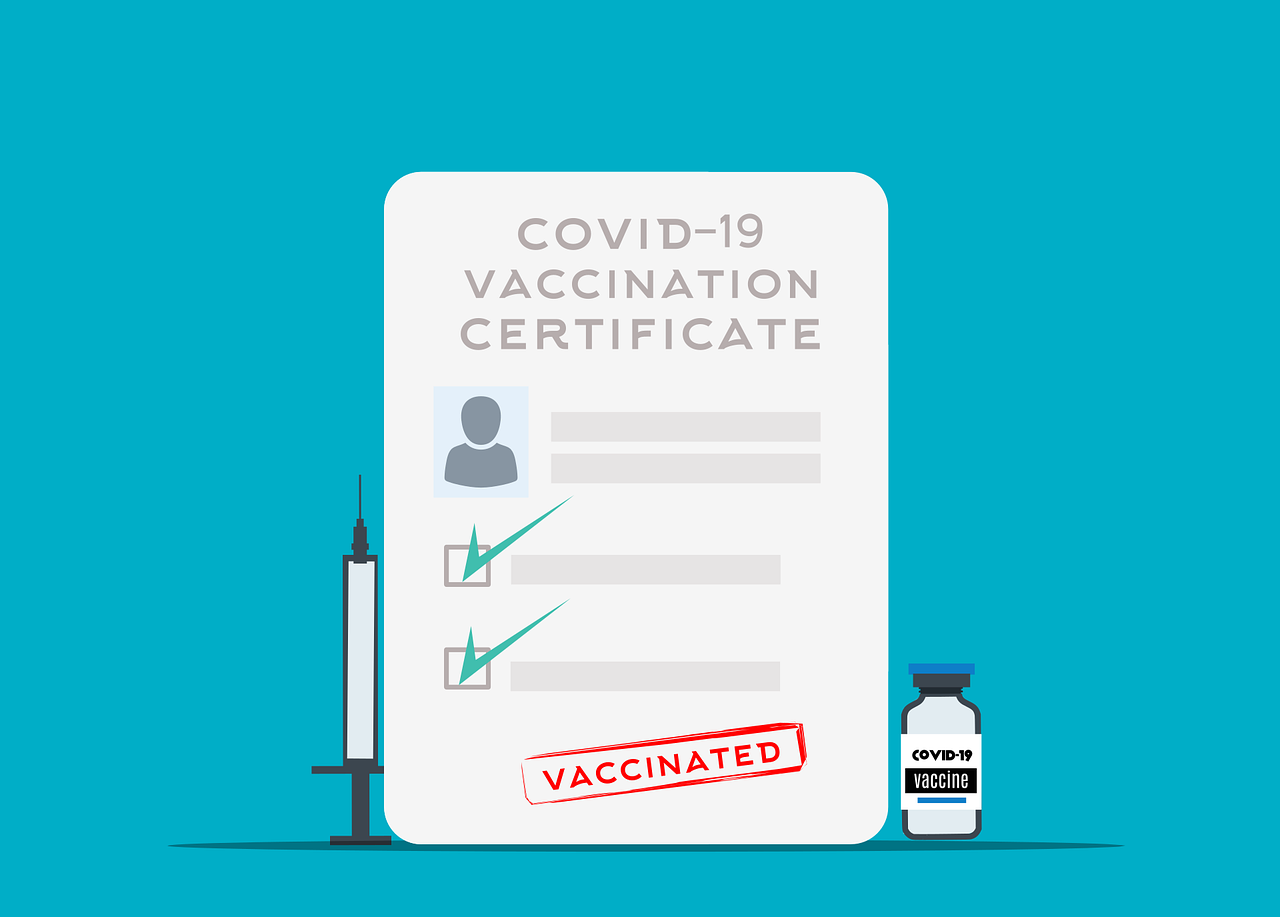
When planning to travel with your feline friend, having the right documentation is crucial. A cat travel certificate serves as an important record that verifies your cat is in good health and has received the necessary vaccinations. Typically, this certificate outlines the vaccinations your cat has received, including rabies and other vaccinations relevant to travel. Additionally, it may include microchip details if your cat has been microchipped. This document is generally issued by a licensed veterinarian. If you are traveling internationally, each country requires certain health documents and vaccinations, so it’s vital to research specific requirements before your trip. Having this certificate ensures a smooth travel experience by fulfilling the health regulations of the destination country. Before your trip, schedule a vet appointment to obtain this certificate, if you don’t already have one. It’s advisable to keep multiple copies of this document in case it gets lost or damaged during travel. Furthermore, ensure all information is accurate and up-to-date to prevent any travel disruptions.
Essential Information Included in the Certificate
Your cat’s travel certificate should contain key information that will affirm its eligibility for travel. Typically, the certificate includes the owner’s name, the pet’s name, and a detailed vaccination history. One primary vaccination is the rabies vaccination, which is necessary for most international travels. The vet will indicate the date by which the vaccination remains effective, usually one to three years, depending on the vaccine used. Other vital details include the pet’s breed, age, microchip number, and health status. An up-to-date health check indicates no signs of infectious diseases, which is crucial for travel. If you are traveling to a particular country or region, certain specific vaccinations may be required. For instance, the European Union has specific requirements related to pet travel. Additionally, the certificate must be signed by a licensed veterinarian to confirm its legitimacy. It may also be wise to inquire about other essential treatments, such as internal and external parasite control, to further ensure your pet’s health during travel.
When planning your cat’s vaccinations and travel strategy, ensuring your pet’s health is the top priority. Most vacation destinations require that your cat is up to date on core vaccinations, which include rabies, feline distemper, and feline leukemia. Schedule the vaccinations to be administered well before actual travel dates, as some vaccines require a waiting period to become effective. It’s also important to discuss any specific regional health requirements meant to curb disease transmission. Always ask your vet about how to best prepare your cat for the travel. In some cases, additional treatments may be required depending on regional specifics. Alongside receiving vaccinations, remember the significance of a comfortable travel carrier for your cat to ease any travel stress. Therefore, choosing the right carrier is essential to your trip’s success. Create a comforting environment inside the carrier by placing their favorite blanket or toy inside. This behavior will allow your cat to feel secure and relaxed throughout the journey. Knowing your pet is safe and healthy will lead to a smoother travel experience.
Consult Your Veterinarian
Consulting a veterinarian is crucial when preparing your cat for travel. Vets are knowledgeable about the latest changes in pet travel regulations and will provide health advice regarding your cat’s specific needs. Schedule an appointment well in advance of your trip. Inform them of your travel destination so they can offer guidance about necessary vaccinations. They can also help you assess your cat’s overall health to confirm if they are fit for travel. This assessment is particularly important for older cats or those with underlying health issues. It’s essential to discuss any mental or physical conditions that could affect your cat during travel. Additionally, your veterinarian can provide advice on acclimating your feline to travel if they are not used to it. Your vet may advise gradual exposure to the travel carrier, offering treats, or even short car trips. Furthermore, keep in mind that having a pre-travel checkup can prevent dealing with unforeseen health issues. This proactive approach contributes significantly towards your cat’s well-being during your journey.
Before heading to the vet, ensure you have all necessary documentation. Bring any previous vaccination records, health history, and any medications your cat might be taking. By partnering with your vet during this process, you can tailor the vaccination schedule to perfectly fit your travel plans. If multiple cats are traveling, ensure that the vet has a clear understanding of each cat’s unique health conditions and needs. Ideally, you should also consider the timing of vaccinations based on your travel schedule. Some vaccines, like rabies, require a set period to become effective, so it’s wise to schedule these vaccinations as soon as you know your travel plans. After obtaining the travel certificate, organize all your documentation for easy access while traveling to avoid unnecessary delays during border checks. Keep your documents in a waterproof folder that you can easily access. Lastly, double-check specific entry requirements for your destination, as they can change frequently, and being prepared will contribute to a smoother travel experience for both you and your cat.
Staying Informed About Travel Regulations
It’s equally important to stay updated about the travel regulations for pets, as they can change based on health concerns or legislative changes. Before you leave, take the time to research any new updates regarding travel regulations for cats in your desired destination. Many countries now have strict regulations in place regarding the entry of household pets. Online resources, such as government websites, can serve as reliable sources of updated information. Consider reaching out to local embassies for your destination to clarify any specific documentation or health checks needed when entering or leaving the country. These updates can save you from any hassles while traveling as well as avoid potential penalties. Additionally, social media and forums dedicated to pet travel can provide firsthand experiences and advice from fellow pet owners. Joining such communities can also help you prepare for unforeseen situations during your travels. Regularly check your resources for any immediate updates regarding pet travel to ensure you have the most current information before your trip.
In conclusion, obtaining a cat travel certificate is a vital step in ensuring a successful trip for you and your feline companion. Proper documentation not only facilitates international travel, but it also guarantees your cat’s health and well-being. Always consult your veterinarian when planning your trip to ensure all vaccination and health requirements are met. Staying informed about regulations ensures that you’ll avoid last-minute issues. It’s also vital to maintain as stress-free an environment for your pet as possible during travel, ensuring they remain calm and comfortable throughout the journey. Given the complexity of international travel, being prepared with knowledge and necessary paperwork can make a significant difference. Ensure you have a comfortable carrier ready for your trip and pack your cat’s favorite items for comfort. Remember that traveling can be a new and challenging experience for your pet, so prioritize their needs. With careful planning, you and your cat can safely enjoy new adventures and create wonderful memories together. Proper travel preparation is essential to ensure your journey is as pleasant and enjoyable as possible for both you and your beloved cat.
Ultimately, the journey does not just start with obtaining a travel certificate—it reflects a comprehensive approach to pet travel. A smooth experience involves outstanding preparation, extensive research, and good health management for your pet. Make plans well in advance to give your cat ample time to receive vaccinations and health checks. With clear communication with your vet and adherence to travel regulations, your feline friend will be well-equipped to face the travel challenges ahead. Always hold on to copies of relevant documents to ensure that you can access important information when needed. Paying attention to your cat’s needs and well-being during the travel process will help reduce anxiety for both you and your pet. Consider creating a travel checklist containing all required items for easy reference, including the travel certificate, vaccinations, and any essentials for the journey. This proactive approach will help alleviate the stress of last-minute preparations. Ultimately, a well-planned trip filled with care, knowledge, and preparation builds the foundation for incredible shared experiences with your furry friend. Make memories without overwhelming stress, ensuring your travel time remains enjoyable.