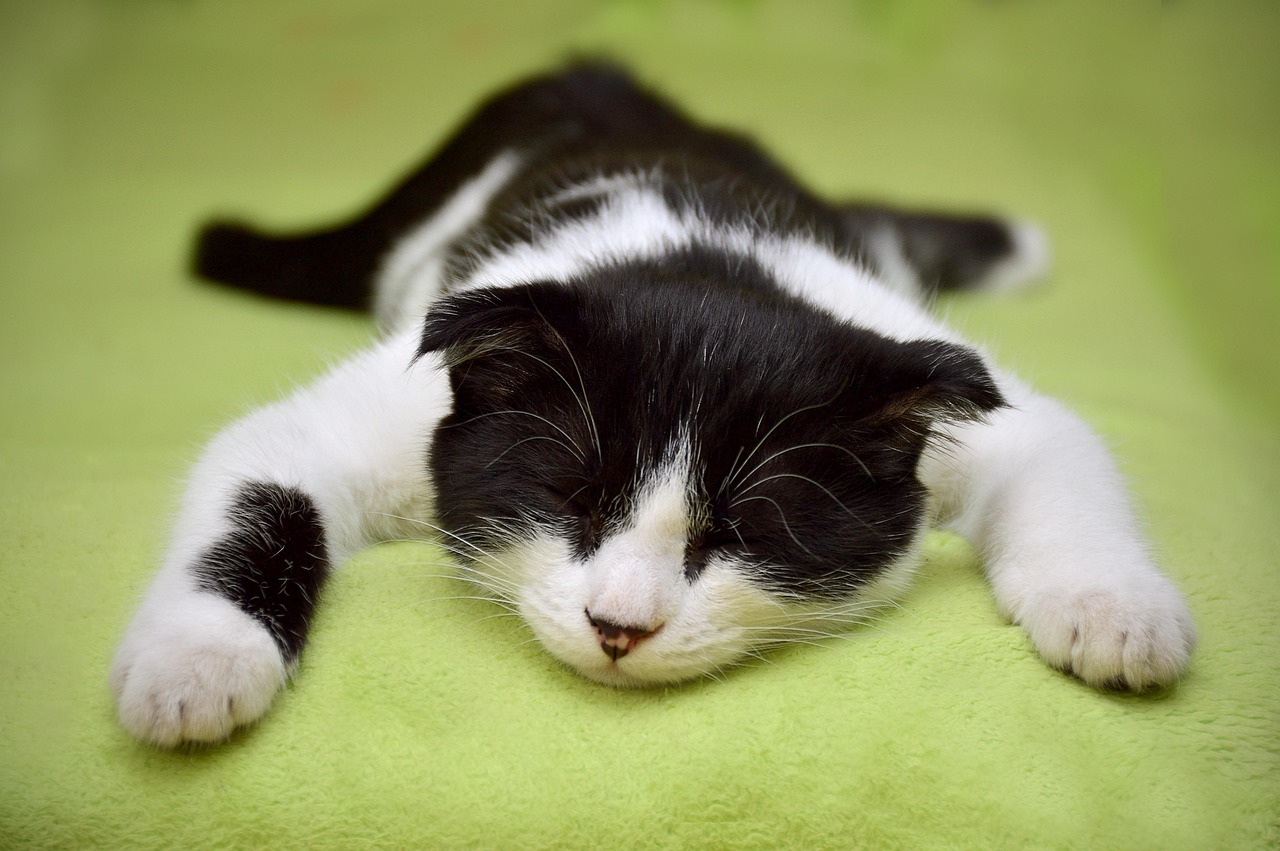

The Science Behind Cats’ Favorite Napping Areas
Understanding where cats prefer to sleep can be fascinating and insightful. Cats, being instinctual creatures, often choose their napping locations based on various environmental factors. For instance, they tend to favor places that provide warmth, security, and a decent vantage point. A sunny spot by the window or a soft blanket on a couch could become prime sleeping spots. Their natural instincts drive them to seek out the best areas for safe, undisturbed rest. Furthermore, attention to their preferred sleeping spots can help owners provide a cozy environment conducive to relaxation. The conscientious placement of beds or blankets can significantly enhance a cat’s overall contentment. It’s also essential to ensure that these areas are free from disturbances. This consideration leads to a well-rested cat, contributing positively to its behavior and interpersonal dynamics. Cats are also influenced by routine, frequently revisiting familiar spots, making them feel secure. Owners should be aware of their pets’ habits and preferences as they are often linked to their inherent survival instincts.
Most importantly, cats have characteristically distinct sleep cycles influenced by their surroundings. Understanding these cycles can explain their peculiar behavior in sleep selection. Cats are crepuscular, meaning they are most active during dusk and dawn. Their preferred sleeping areas, therefore, tend to be sheltered from the hustle and bustle of daily life. With this in mind, providing cat beds that mimic the feel of cozy, hidden spaces can be beneficial. These designated areas can be enriched with familiar scents and textures, making them immediately appealing. Incorporating high spots, such as cat trees, allows them to observe their environment, increasing their comfort. Such vertical napping areas can further satisfy their instinctual need to feel safe. Cats also require multiple sleeping options to accommodate various moods or times of day, allowing them to choose an ideal spot quickly. They may even have several rotation zones around the house as part of a daily ritual. Moreover, understanding their napping patterns and preferences offers an opportunity for owners to strengthen their bond with their cats by considering their individual needs.
Environmental Influences on Sleep Locations
When assessing cats’ napping spots, environmental influences come into play. Factors such as temperature, noise level, and proximity to family members affect their choice. Cats often opt for areas that provide warmth, especially during colder months. Cozy blankets, heat pads, and sunny windowsills are typically favored. Conversely, during the hotter seasons, they often seek out cooler locations, such as tile floors. The environment’s quietness plays a crucial role in determining their comfort level. Cats are more likely to rest peacefully in areas of low human traffic, away from loud sounds or sudden movements. Considering their unique sensory perceptions, locations that minimize disturbances greatly enhance their security. Some cats may prefer high overlooks, where they feel more in control of their surroundings. Owners can encourage these behaviors by observing where their cats feel safest when sleeping, demonstrating that enhancing their environment positively affects their well-being. The integral relationship between sleep behavior and environmental influences speaks volumes about what cats need to thrive.
Additionally, the materials used in cat beds and resting areas influence their behavior. Soft fabrics, such as fleece or plush, contribute to a feeling of safety and warmth. Conversely, rough or unyielding materials may deter cats from utilizing those spaces. High-quality bedding materials encourage repeat usage, which helps instill confidence. Cats may prefer sleeping in beds that imitate their wild instincts and natural habitats, such as enclosed spaces that provide cover. Finding beds with bolsters or cave-like designs mirrors the feelings of reassurance experienced in the wild. This connection to wild instincts makes specific sleeping models appealing to domesticated cats. Owners should consider integrating soft pillows, layers, or heated beds during colder months to further entice reluctant cats. It’s essential to periodically refresh or replace bedding options to maintain their appeal and cleanliness. The sensory experiences that accompany comfortable sleeping areas foster restful and restorative sleep, thereby considerably influencing their overall health and happiness. Just as humans appreciate a quality mattress, cats thrive in their own comfortable sleeping zones, enhancing their daily lives significantly.
Behavioral Patterns Associated with Sleep
Cats’ sleep behaviors provide insight into their personalities and overall well-being. Observing where and how they nap reflects their emotional state and comfort levels. For instance, a cat that sleeps in a curled-up position tends to feel secure and content, while a more sprawled stance demonstrates confidence and trust in the environment. Furthermore, frequent changing of sleeping locations may indicate stress or anxiety. Understanding their choices helps owners recognize when their pets are comfortable. A cat repeatedly sleeping in a certain area might have formed an attachment to that specific zone. Additionally, consistent behavior toward chosen spots may indicate territoriality or preference. Offering multiple sleeping options promotes various behaviors and reduces tension. Owners who monitor their cats’ napping changes can identify shifts in behavior that signal potential health concerns. It’s essential to be vigilant for any sudden changes that may require attention from a veterinarian. Keeping a consistent record of their sleeping habits can lead to new insights into their health or stress levels. Awareness of their behavior can, therefore, enhance the relationship with the cat significantly.
Moreover, the relationship between social interactions and sleep patterns is intriguing in cats. Kittens observed sleeping closely together with their siblings indicates a strong bond and shared warmth. Adult cats may also express similar behaviors, seeking proximity to their owners or fellow pets. This tendency to sleep near companions often signifies trust and is essential for constructing social structure within households. Observing how cats position themselves can reveal much about their comfort levels. If a cat chooses to sleep nearby as opposed to alone, it indicates a strong sense of belonging. In contrast, if they frequently isolate themselves, it may signal discomfort or a need for personal space. The social aspect of sleeping behavior showcases their capacity for affection. Providing warm, safe spots that support these needs can enrich their quality of life. Owners should encourage interactive play to cultivate an environment that nurtures relationships. Thus, grasping the social significance of their sleeping behaviors leads to a stronger and more fulfilling bond.
Conclusion on Cat Napping Preferences
In conclusion, understanding cats’ favorite napping spots reveals multifaceted layers of their behavior and needs. Recognizing the various influences at play, including environmental factors, materials, and social aspects, can immensely enhance the quality of life for our feline companions. Their preferences, intricately linked to their natural instincts and personalities, deserve consideration from pet owners. Enriching their environment with diverse sleeping options provides comfort, security, and promotes healthy habits. It is critical to facilitate a support system that recognizes these needs, offering encouragement through play and interaction. When cats find their ideal spots, owners benefit from happier, healthier pets who display positive characteristics. An attentive and understanding approach can lead to long-term improvements in their welfare. Cats thrive when owners respect their space and listening to their cues. Thus, fostering an environment that respects their choices connects owners and pets in harmonious synergy. Embracing these insights not only empowers a deeper understanding of feline behavior but also embodies responsible cat ownership, resulting in happy and thriving pets.
Ultimately, nurturing a cat’s preferences extends beyond merely providing a comfortable sleeping spot. It’s fundamentally about understanding and responding to their unique personalities and instincts. Consistent monitoring and engagement can lead to greater bonding and trust, enriching both the owner’s and the cat’s experience. Rationalizing their naps, owners can contribute positively to their day-to-day life. Happiness in a cat is often reflected in their playfulness and affectionate behavior, which stems from feeling secure. Open communication, whether through body language or vocalization, plays a significant role in solidifying this bond. As a result, the overall atmosphere in the home becomes more positive and cohesive. Cats are more than just pets; they are companions and integral parts of family life. Embracing their napping preferences while considering social and psychological aspects is a significant step toward responsible ownership. Following these principles, owners can cultivate a thriving, affectionate bond and foster an integral part of their pets’ comfort. In this way, a warm and welcoming environment enhances the relationship, ultimately benefiting everyone involved.